
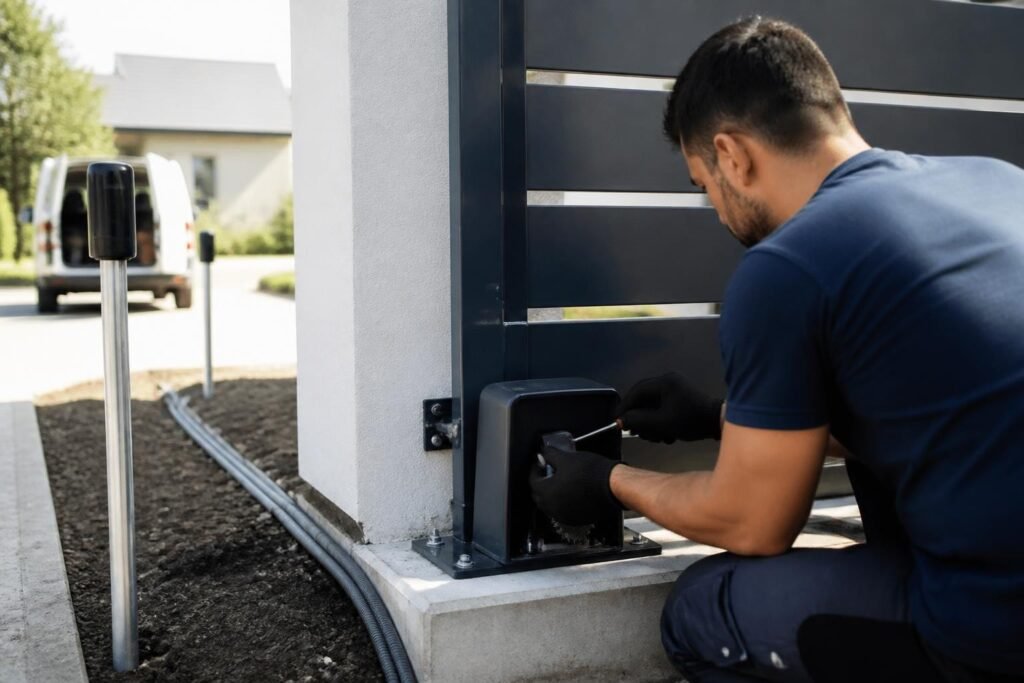
Automatic gate installation transforms property security, convenience, and curb appeal for both residential and commercial applications. In 2026, property owners face more choices than ever before, from sliding and swing gates to advanced access control integration and smart home connectivity. A successful installation requires careful planning, compliance with current safety standards, and professional execution to ensure decades of reliable operation. Whether you're securing a residential driveway in Los Angeles or controlling access to a commercial facility, understanding the installation process helps you make informed decisions and avoid costly mistakes.
Planning Your Automatic Gate Installation Project
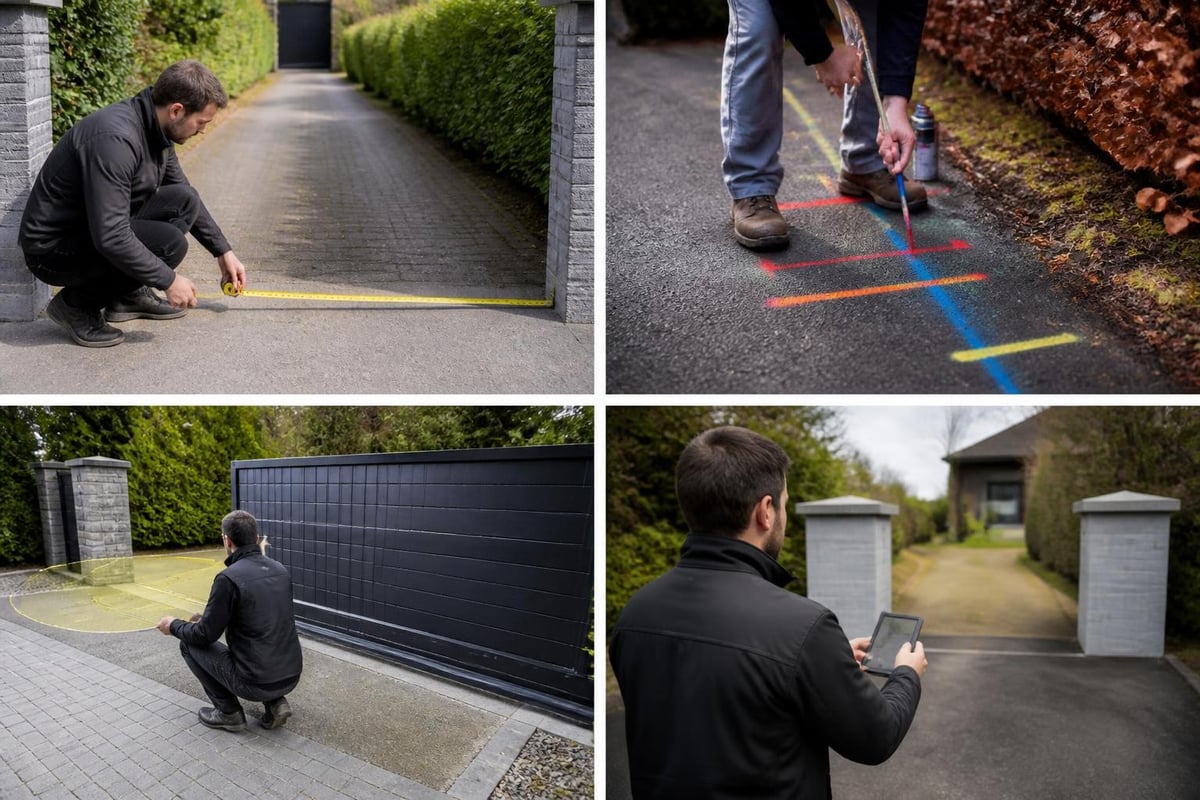
The foundation of any successful automatic gate installation begins months before the first post goes into the ground. Property assessment comes first, examining terrain slope, driveway width, utility line locations, and clearance requirements.
Site Analysis and Measurements
Accurate measurements determine which gate type fits your space. Swing gates require arc clearance equal to the gate width, while sliding gates need run-back space at least equal to the gate opening width plus an additional foot for the counterweight.
Underground utility mapping prevents expensive damage during excavation. Contact your local utility locating service at least three business days before breaking ground. Document the locations of:
- Gas lines and their depth
- Electrical conduits serving the property
- Water and sewer lines crossing the driveway
- Telecommunications cables buried along property lines
- Irrigation systems that may interfere with gate posts
Soil conditions affect foundation design significantly. Clay soils expand and contract with moisture changes, requiring deeper footings and potentially gravel backfill. Rocky terrain may necessitate drilling equipment for post holes. Schedule a soil test if your property has drainage issues or sits on fill dirt.
Permit Requirements and Code Compliance
Most jurisdictions require permits for automatic gate installation, particularly when electrical work or structural posts are involved. Los Angeles County, for example, mandates permits for any motorized gate operator installation.
Building departments review plans against UL 325 safety standards, which specify entrapment protection requirements and force limits. Your installation must include compliant safety sensors and emergency release mechanisms.
| Permit Type | Typical Requirement | Processing Time |
|---|---|---|
| Building permit | Structural posts and foundations | 2-4 weeks |
| Electrical permit | Operator wiring and power supply | 1-2 weeks |
| Encroachment permit | Gates opening onto public right-of-way | 3-6 weeks |
Setback requirements vary by municipality. Verify that your planned gate location complies with front yard setback rules and doesn't encroach on easements. Homeowner association covenants may impose additional restrictions on gate height, style, or automation.
Selecting the Right Gate System Components
Choosing compatible components ensures smooth operation and longevity. The gate operator must match the gate's weight, width, and usage frequency while providing adequate power reserves for Los Angeles' warm climate conditions.
Gate Operator Types and Capacity
Swing gate operators mount either on posts or underground. Above-ground articulated arm operators handle gates up to 1,000 pounds per leaf and install more quickly. Underground operators offer cleaner aesthetics but require concrete vaults and cost significantly more.
Sliding gate operators use chain drive, belt drive, or rack-and-pinion mechanisms. Chain systems prove most economical for residential applications up to 40 feet wide. Belt drives run quieter and suit upscale installations. Rack-and-pinion operators handle commercial gates exceeding 60 feet and 2,000 pounds.
Calculate duty cycle requirements based on expected daily operations. Residential installations typically specify light-duty operators rated for 20-30 cycles daily. Commercial properties with frequent traffic need heavy-duty systems rated for 100+ cycles, featuring industrial motors and reinforced gear trains.
Access Control Integration
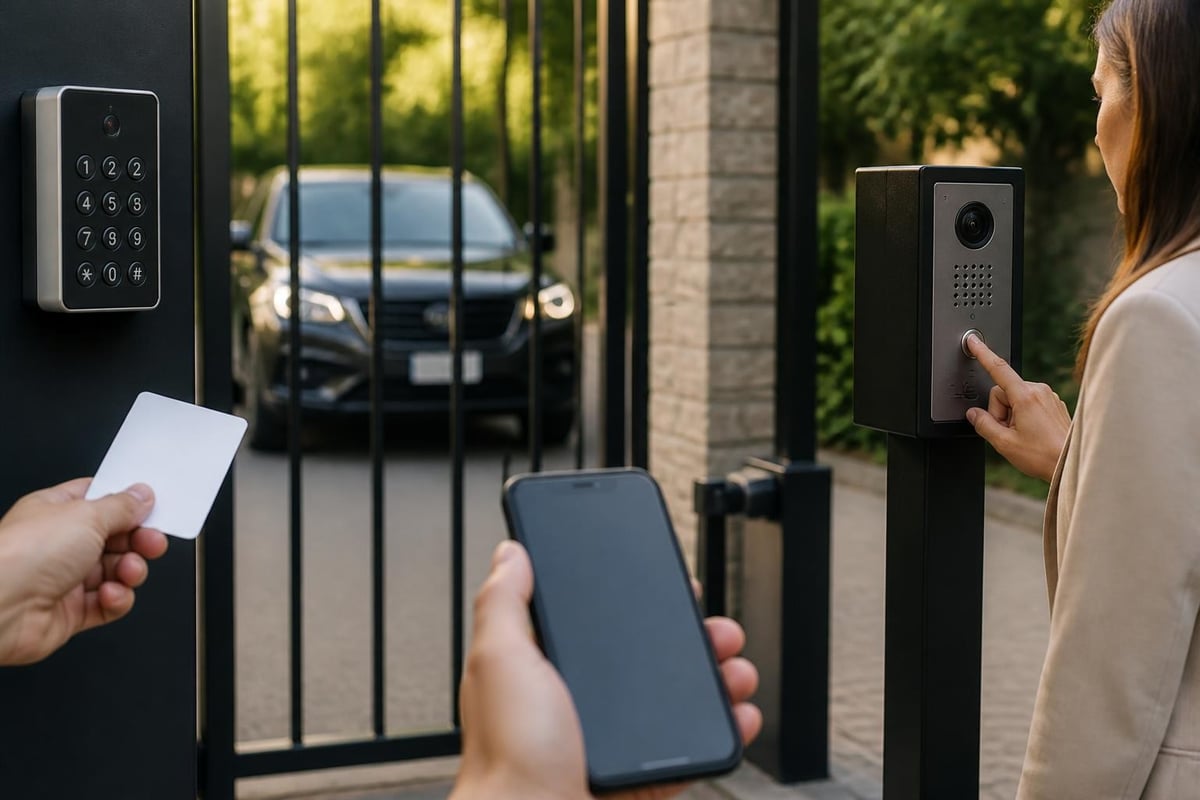
Modern automatic gate installation incorporates multiple access methods for convenience and security. Wireless keypads, proximity card readers, smartphone apps, and vehicle loop detectors provide flexible entry options.
Telephone entry systems allow visitors to call residents directly from the gate, supporting both traditional landlines and VoIP networks. Cloud-based systems enable remote gate operation from anywhere with cellular coverage, useful for package deliveries when you're away.
- Radio frequency remotes operate on 310-390 MHz frequencies
- Rolling code technology prevents signal copying and unauthorized access
- Smartphone integration supports Bluetooth and Wi-Fi connectivity
- Intercom systems include video options for visual verification
- Biometric readers offer fingerprint or facial recognition for high-security applications
Consider future expansion when selecting controllers. Choose systems with spare relay outputs for adding secondary gates, lighting controls, or integration with security cameras down the road.
Installation Process and Timeline
Professional automatic gate installation follows a methodical sequence, typically spanning one to three days depending on system complexity and site conditions.
Foundation and Structural Work
Post installation begins after permit approval and utility clearance. Dig pier holes to depths specified by local frost line requirements, minimum 36 inches in most temperate climates and deeper in freeze-thaw zones.
Pour concrete footings sized to support gate weight and wind loads. A typical single swing gate post requires a 12-inch diameter pier extending 42 inches deep, filled with 3,000 PSI concrete. Sliding gates need larger foundation pads, typically 24 inches square by 48 inches deep, to anchor the track and catch post.
Set posts perfectly plumb using temporary bracing. Even one degree off-vertical causes binding as the gate swings. Allow concrete to cure for 48-72 hours before mounting hardware, though rapid-set formulations reduce wait times to 24 hours in warm weather.
Install track systems for sliding gates after foundation curing. Level the track precisely along its entire length using shims and laser levels. Secure track sections with expansion-resistant fasteners that accommodate thermal movement.
Electrical Installation and Operator Mounting
Run electrical conduit from the power source to operator locations before final gate hanging. Most operators require dedicated 120V circuits protected by GFP breakers. Bury conduit at code-required depths, typically 18 inches for metal conduit and 24 inches for PVC.
Pull wire sized appropriately for run length and operator amperage draw. Use 14-gauge wire for runs under 50 feet and 12-gauge for longer distances to prevent voltage drop. Include a spare conductor pair for future accessory installation.
Mount the operator securely to posts or foundation pads following manufacturer specifications. Torque all bolts to specified values, as loose mounting hardware causes excessive vibration and premature wear. Connect control boards inside weatherproof enclosures rated IP65 or better for Los Angeles' occasional rain.
Safety Device Installation
Compliance with gate safety regulations requires multiple redundant safety systems. Photo-eye sensors must span the entire gate travel path at heights not exceeding 12 inches above ground, detecting children, pets, and objects.
Install monitored safety edges on gate leading edges to reverse immediately upon contact. These pneumatic or electric edges detect obstructions missed by photo-eyes and serve as the final protection layer.
| Safety Device | Purpose | Placement Requirement |
|---|---|---|
| Photo-eye sensors | Detect obstructions in path | Maximum 12" height, both sides |
| Safety edges | Contact-based obstruction detection | Leading edge of gate |
| Loop detectors | Prevent gate closing on vehicles | Entry and exit zones |
| Emergency release | Manual operation during power failure | Accessible from both sides |
Loop detector installation involves cutting slots in pavement to embed wire loops. These electromagnetic sensors detect vehicle presence and prevent gates from closing on cars. Cut slots 2-3 inches deep, install preformed loops or wind your own, fill with flexible sealant, and connect to controller inputs.
Program sensitivity carefully. Too sensitive causes false triggers from nearby traffic; too low misses motorcycles and bicycles. Test with various vehicle types before final adjustment.
Testing, Adjustment, and Compliance Verification
Thorough testing ensures safe, reliable operation before you hand over the system. Systematic checks verify that every component functions correctly and safety systems activate as designed.
Force and Safety Testing
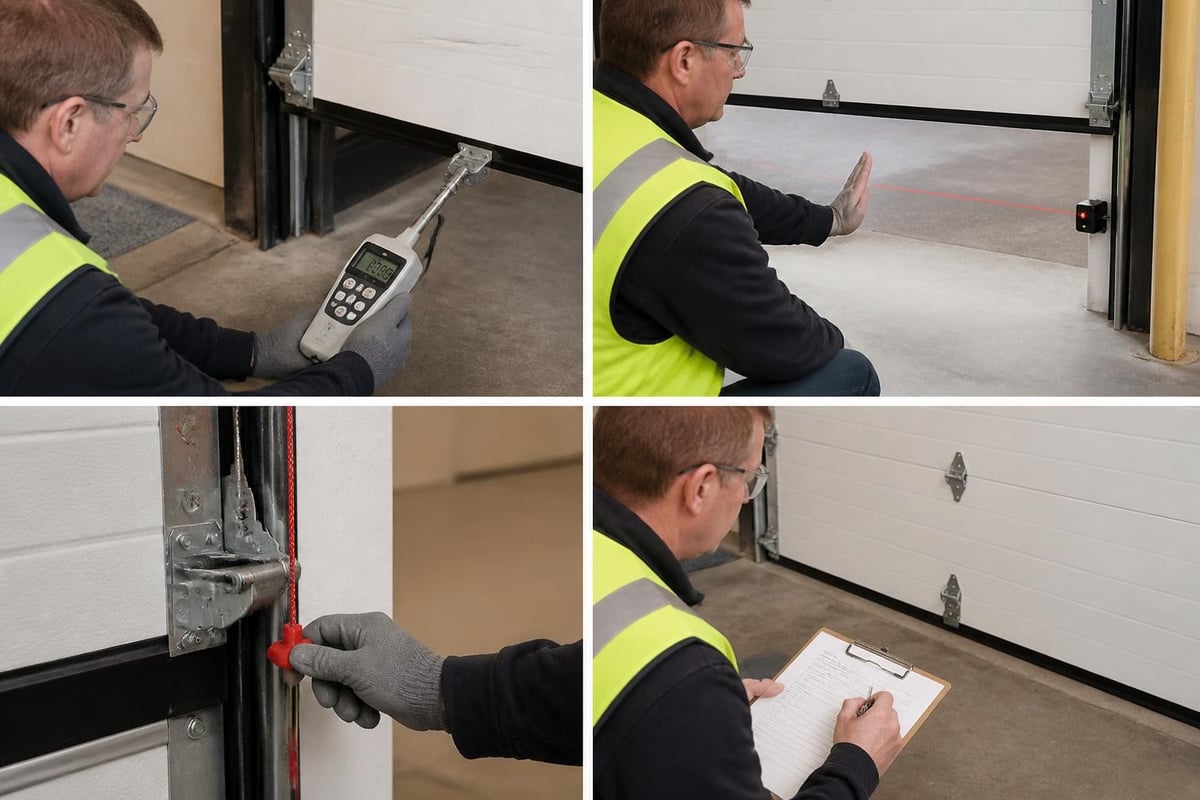
Measure closing force using calibrated spring scales at multiple points along the gate edge. UL 325 standards limit maximum allowable force to 15 pounds for vehicular gates and lower thresholds for pedestrian applications.
Adjust operator settings to reduce force if measurements exceed limits. Modern controllers offer fine-tuned force control through current limiting circuits. Balance reduction against reliable latching, especially for heavy gates in windy conditions.
Test photo-eye functionality by breaking the beam during gate travel. The gate should immediately stop and reverse. Verify both opening and closing cycles, as some controllers use different logic for each direction.
Safety edge testing requires applying physical resistance. Press against the edge during gate movement to confirm instant reversal. Pneumatic edges typically respond within 50 milliseconds; electric edges react even faster.
Check emergency release mechanisms from both sides of the gate. Most localities require tool-free release operation accessible without entering the gate swing path. Practice the release procedure until you can execute it quickly in darkness.
Access Control Programming
Program all entry devices and test from typical user positions. Keypads should respond reliably even in direct sunlight that can interfere with capacitive touch sensors. Set appropriate access codes, avoiding common combinations like 1234 or repeating digits.
Configure remote controls ensuring adequate range from typical stopping positions. Quality receivers should respond from 50-75 feet in open conditions. Test near potential interference sources including power transformers and LED lighting.
Smartphone apps require network configuration and user account setup. Verify cellular coverage strength at the gate location, as poor signal causes connection delays. Configure notification preferences so owners receive alerts for each gate activation or only for specific events.
Set operational parameters including gate open time delays, automatic close timers, and seasonal adjustments. Residential gates typically close after 30-60 seconds; commercial installations may use shorter timers during business hours and longer delays for evening traffic.
Ongoing Maintenance Planning
Even expertly executed automatic gate installation requires regular maintenance to ensure continued safe operation. Establishing a maintenance schedule from day one prevents unexpected failures and extends system lifespan.
Monthly Inspection Checklist
Visual inspections catch developing problems before they cause breakdowns. Walk the entire gate path monthly, checking for:
- Unusual sounds during operation indicating worn bearings or loose hardware
- Gate movement smoothness without binding or jerking
- Photo-eye alignment and lens cleanliness
- Visible damage to safety edges or weather sealing
- Vegetation growth interfering with sensors or gate travel
Test all access methods monthly even if you use only one or two regularly. Keypads accumulate dirt in buttons, remote batteries deplete, and phone apps require occasional updates. Discovering a non-functional backup access method during an emergency creates unnecessary stress.
Clean photo-eye lenses using soft cloths and mild glass cleaner. Avoid abrasive materials that scratch protective coatings. Realign sensors if gates begin reversing unexpectedly, as settling foundations sometimes shift mounting brackets slightly.
Professional Service Intervals
Schedule professional inspections annually or semi-annually depending on usage intensity. Experienced technicians from services like Gates On Site identify subtle problems that untrained eyes miss, such as bearing preload changes, chain stretch, or control board component degradation.
Professional maintenance includes lubrication of all moving parts using appropriate products for each material. Chains require dedicated chain lubricant, not WD-40 or all-purpose oils. Hinges and pivot points need light machine oil or lithium grease. Rack gears demand heavier grease formulated for outdoor use.
Technicians measure electrical values including voltage drop, amperage draw, and capacitor condition. Degraded capacitors reduce starting torque and may allow motors to overheat. Battery backup systems need load testing annually to confirm runtime capacity.
| Maintenance Task | Frequency | Professional vs DIY |
|---|---|---|
| Visual inspection | Monthly | DIY |
| Photo-eye cleaning | Monthly | DIY |
| Access device testing | Monthly | DIY |
| Lubrication of moving parts | Quarterly | DIY or Professional |
| Electrical system check | Annually | Professional |
| Safety system verification | Annually | Professional |
| Control board diagnostics | Annually | Professional |
Document all maintenance activities in a logbook, noting dates, observations, and actions taken. This record proves invaluable when troubleshooting intermittent problems and demonstrates due diligence if liability questions ever arise.
Accessibility and ADA Compliance
Properties open to the public must ensure automatic gate installation meets accessibility requirements under the Americans with Disabilities Act. Even private properties benefit from considering these standards, which make gates easier for everyone to use.
Accessible Operation Requirements
ADA-compliant automatic gates must operate automatically without requiring manual effort from users. Automatic sensors that detect approaching pedestrians satisfy this requirement better than push-button controls, though buttons remain acceptable when positioned within reach ranges.
Operating controls must mount at heights between 34 and 48 inches above the finished floor or ground surface. Controls require clear floor space of 30 by 48 inches for wheelchair approach. Keypads should feature raised tactile numbers and audio feedback for visually impaired users.
Gate opening width must provide minimum 32 inches of clear passage when the gate sits at 90 degrees open. Account for post width and any protruding hardware when calculating clear width. Some jurisdictions require wider openings, so verify local amendments to accessibility codes.
Hold-open time must allow passage before automatic closing begins. Calculate timing based on a travel speed of 1 foot per second for wheelchair users. A 10-foot passage requires minimum 10 seconds of hold-open time plus additional seconds for activation delay.
Combining Security and Accessibility
Balancing security with accessibility challenges many property managers. Automatic operation satisfies accessibility while controlled access maintains security. Intercom systems bridge this gap, allowing verification before granting entry.
Position intercoms within accessible reach ranges with clear approach space. Video intercoms assist users with hearing impairments by enabling visual communication. Provide both visual and audible feedback confirming when the gate unlocks.
Consider dual gate systems featuring a primary vehicular gate plus a separate accessible pedestrian gate. This arrangement allows tighter security on the main entrance while maintaining barrier-free access through a secondary controlled entry.
Advanced Features and Smart Integration
Modern automatic gate installation increasingly incorporates smart home integration and advanced monitoring capabilities. These features add convenience while providing security insights that traditional systems lack.
Smart Home Platform Integration
Leading gate operators now support integration with Amazon Alexa, Google Home, and Apple HomeKit platforms. Voice commands enable hands-free operation, useful when carrying packages or managing children.
Integration typically occurs through the operator manufacturer's cloud service or compatible third-party bridges like SmartThings or Hubitat. Verify that your chosen operator supports your preferred platform before purchase, as retrofitting connectivity proves difficult.
Geofencing automation opens gates as your vehicle approaches and closes them after departure. Smartphone GPS triggers these actions when you cross virtual boundaries around your property. Configure geofence radius carefully to balance convenience against security, typically 100-300 feet from the gate.
Create automation routines that coordinate gate operation with other smart devices. Program gates to open automatically when garage doors close, activate driveway lighting at sunset, or disable automatic operation when you arm your security system for vacation mode.
Remote Monitoring and Diagnostics
Cloud-connected controllers provide real-time status updates and operation logs accessible through smartphone apps. Review gate activity history to monitor traffic patterns, identify unusual access attempts, or verify when expected deliveries occurred.
Diagnostic alerts notify you immediately when systems detect problems including photo-eye misalignment, motor overheating, battery backup failures, or excessive force events. Early warnings prevent minor issues from escalating into complete failures requiring emergency repairs.
Some advanced systems incorporate cameras that capture images of every access event. License plate recognition algorithms can automatically grant access to registered vehicles while requiring manual approval for unknown plates. This technology suits commercial properties with approved vendor lists or residential communities managing visitor access.
Successful automatic gate installation combines careful planning, quality components, professional execution, and ongoing maintenance to deliver decades of secure, convenient property access. From initial site assessment through final testing and smart system integration, each decision affects long-term performance and satisfaction. When you're ready to install or upgrade an automated gate system, Gates On Site brings over 20 years of experience serving Los Angeles properties with same-day service, expert installation guidance, and comprehensive support for both residential and commercial applications.