
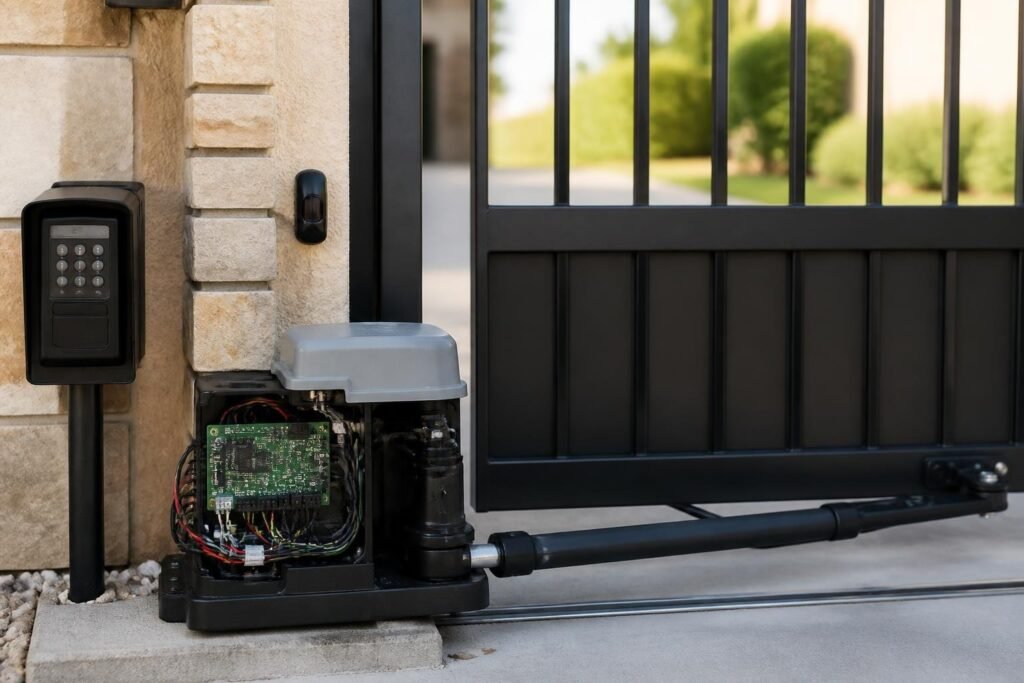
Property owners across Los Angeles increasingly turn to automated access solutions to enhance security, convenience, and curb appeal. An automatic gate opener for driveway applications transforms how you control entry to your home or business, eliminating the need to manually operate heavy gates while adding layers of security and modern convenience. Whether you're upgrading an existing manual gate or planning a new installation, understanding the technology, safety requirements, and maintenance considerations helps you make informed decisions that protect your investment and keep your property secure.
Understanding Automatic Gate Opener Technology
Modern automatic gate opener systems consist of several integrated components that work together seamlessly. The motor assembly provides the mechanical power to move your gate, while the control board processes signals from various access devices. Safety sensors prevent accidents by detecting obstructions, and the receiver unit communicates with remote controls or keypads to authorize entry.
The technology has evolved significantly over the past decade. Today's systems integrate with smart home platforms, offering remote monitoring and control through smartphone applications. Many homeowners find that configuring a home automation device with their gate opener adds convenience and security features that weren't available just a few years ago.
Power Requirements and Electrical Considerations
Every automatic gate opener for driveway installations requires a reliable power source. Most residential systems operate on standard 120V AC power, though some heavy-duty commercial applications may require 240V service. Solar-powered options have gained popularity in areas where running electrical service proves challenging or expensive.
Battery backup systems ensure your gate continues operating during power outages. This feature becomes particularly valuable in Los Angeles, where occasional grid disruptions can leave properties vulnerable. The backup battery typically provides 24-48 hours of operation, depending on usage frequency and battery capacity.
Types of Automatic Gate Openers
Selecting the right opener depends on your gate's weight, size, configuration, and usage patterns. Each type offers distinct advantages suited to specific applications.
Swing Gate Operators
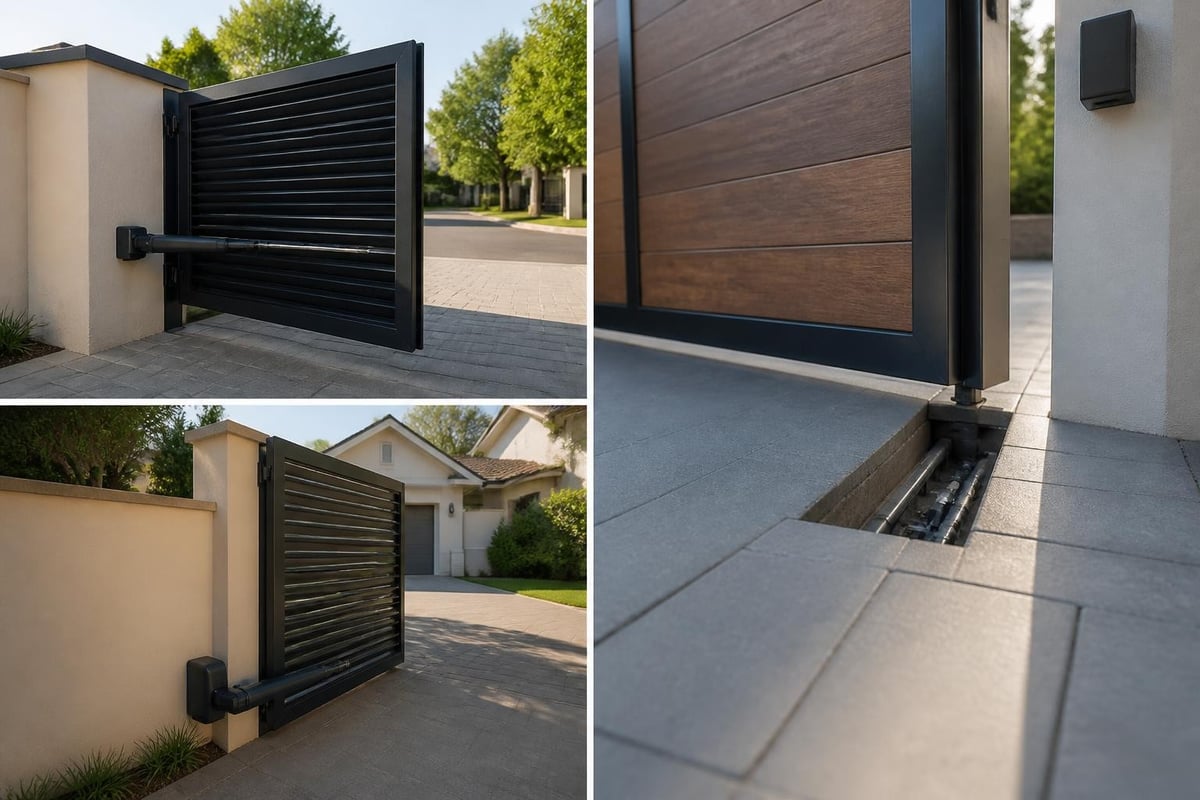
Swing gate openers operate gates that open inward or outward like traditional doors. These systems use articulating arms or underground rams to pull or push the gate panels.
Articulated arm operators mount to the gate post and gate panel, using mechanical leverage to move the gate. They're visible but reliable, suitable for gates weighing up to 1,000 pounds per panel. Installation is straightforward, and maintenance requirements remain minimal.
Underground or ram operators hide beneath the driveway surface, offering a cleaner aesthetic. These powerful units can handle heavier gates but require more extensive installation work, including excavation and concrete work.
Slide Gate Operators
Slide gate systems move laterally along a track, ideal for driveways with limited clearance for swing gates. An automatic gate opener for driveway slide configurations typically uses a rack-and-pinion or chain-drive mechanism.
The motor drives a gear (pinion) that engages a toothed rack mounted to the gate. As the pinion rotates, it moves the gate along its track. These systems excel in commercial applications where heavy-duty performance is essential, handling gates up to 5,000 pounds or more.
| Opener Type | Weight Capacity | Installation Complexity | Aesthetic Impact | Typical Cost Range |
|---|---|---|---|---|
| Articulated Arm | Up to 1,000 lbs per leaf | Moderate | Visible hardware | $800-$1,500 |
| Underground Ram | Up to 2,000 lbs per leaf | High | Minimal (hidden) | $1,500-$3,000 |
| Slide Gate | Up to 5,000 lbs | Moderate to High | Moderate | $1,200-$2,500 |
Safety Features and Compliance Standards
Safety represents the most critical aspect of any automated gate system. Federal regulations and industry standards mandate specific safety features to prevent injuries and property damage.
UL 325 Compliance Requirements
The UL 325 safety standard for door and gate operators establishes minimum safety requirements for automatic gate systems. This standard classifies operators by usage and mandates appropriate safety devices for each class.
Residential automatic gate openers fall under Class I or II, depending on whether they're vehicular or pedestrian applications. These classifications require specific entrapment-protection devices that detect obstructions and reverse gate movement immediately.
Essential Safety Components
Modern systems incorporate multiple layers of protection:
- Photoelectric sensors create invisible beams across the gate path, stopping or reversing movement when interrupted
- Edge sensors detect contact with objects, triggering immediate reversal
- Loop detectors sense vehicles in the gate path through electromagnetic detection
- Manual release mechanisms allow gate operation during power failures or system malfunctions
The Consumer Product Safety Commission documentation provides detailed guidance on entrapment-protection requirements that have evolved to address accident prevention.
Installation Considerations for Driveway Gates
Proper installation ensures your automatic gate opener for driveway applications operates reliably for years. Several factors influence installation complexity and long-term performance.
Site Assessment and Preparation
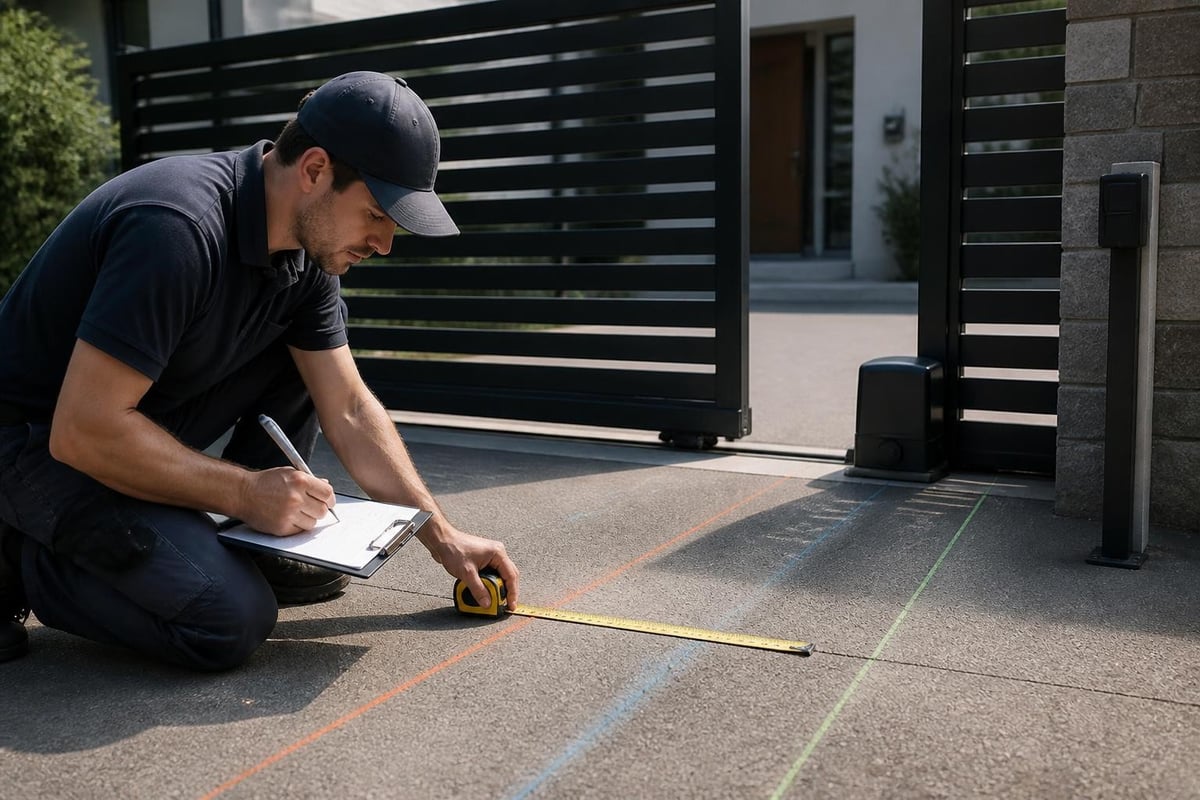
Professional installers evaluate multiple site characteristics before beginning work. Ground slope affects motor selection and mounting positions. Soil composition determines foundation requirements for gate posts and operator mounting pads. Existing electrical service location influences installation costs and complexity.
Distance from the street to the gate affects access control placement. Keypads, card readers, and intercom systems must be positioned for convenient vehicle access while maintaining security. Technical installation guidance covers wiring requirements, National Electrical Code considerations, and proper grounding procedures that protect both equipment and users.
Professional Installation vs. DIY
While some homeowners possess the skills for DIY installation, most automatic gate opener projects benefit from professional expertise. Licensed technicians understand local building codes, electrical requirements, and safety standards that govern automated gate systems.
Professional installation typically includes permitting, electrical work performed to code, proper safety device calibration, and warranty coverage. The installation considerations outlined by This Old House for garage door openers apply similarly to gate systems, emphasizing the value of professional assessment and installation.
Access Control Options
Modern automatic gate systems offer diverse access control methods, from traditional keypads to advanced biometric systems. Selecting appropriate access controls balances security needs with user convenience.
Remote Control and Keypad Systems
Radio frequency remote controls remain the most common access method. These devices transmit unique codes to the gate receiver, triggering operation when authorized. Multi-button remotes allow control of multiple gates or integration with garage door openers.
Wireless keypads provide code-based access for visitors, service providers, and family members without remotes. Modern systems support multiple user codes with programmable time restrictions and audit trails tracking entry times.
Smart Access Integration
Contemporary gate operators increasingly integrate with smart home ecosystems. These systems allow:
- Smartphone control through dedicated apps, enabling gate operation from anywhere
- Voice commands through virtual assistants for hands-free operation
- Temporary access codes that expire automatically for delivery personnel or guests
- Activity notifications alerting property owners when the gate operates
- Integration with security cameras for visual verification before granting access
Similar to how homeowners approach electric gate opener repair when systems malfunction, regular software updates for smart-enabled systems maintain security and functionality.
Maintenance Requirements for Long-Term Reliability
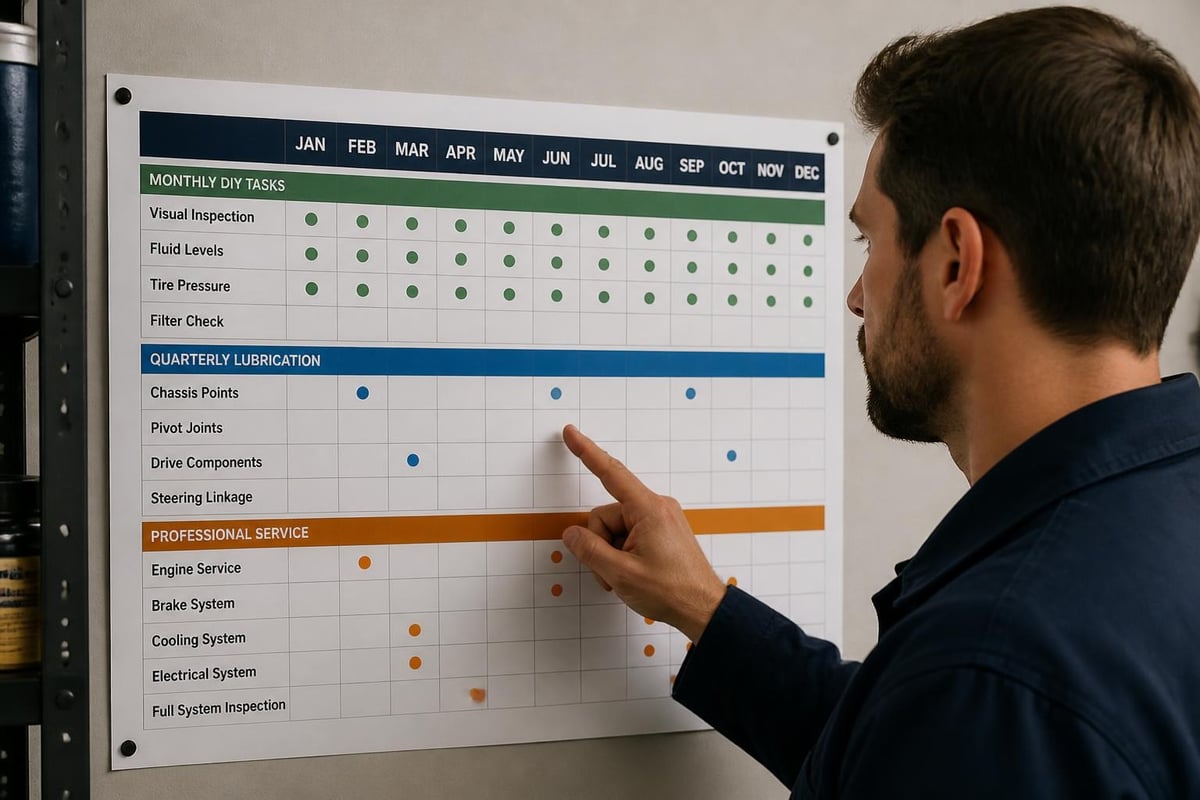
Regular maintenance extends the lifespan of your automatic gate opener for driveway installations and prevents costly repairs. A proactive maintenance schedule addresses wear before failures occur.
Monthly Inspection Tasks
Property owners should perform basic monthly checks to catch developing issues early:
- Visually inspect the gate for physical damage, loose hardware, or unusual wear patterns
- Test all access devices (remotes, keypads, intercoms) to verify proper function
- Observe gate movement for smooth operation without jerking or binding
- Check safety sensors by deliberately blocking the gate path during closing
- Listen for unusual noises that might indicate mechanical problems
Professional Service Intervals
Professional technicians should service automatic gate systems at least annually. Comprehensive service includes lubrication of moving parts, electrical connection inspection, safety device calibration, and adjustment of force settings.
| Maintenance Task | Frequency | DIY or Professional | Estimated Time |
|---|---|---|---|
| Visual inspection | Monthly | DIY | 10 minutes |
| Safety sensor test | Monthly | DIY | 5 minutes |
| Lubrication | Quarterly | DIY | 20 minutes |
| Full system check | Annually | Professional | 1-2 hours |
| Control board inspection | Annually | Professional | 30 minutes |
Heavy usage environments, such as commercial properties or multi-family residential complexes, require more frequent professional service-typically quarterly rather than annually.
Troubleshooting Common Issues
Understanding common automatic gate opener problems helps property owners distinguish between minor issues they can address and situations requiring professional intervention.
Gate Won't Respond to Remotes
This frequent complaint typically stems from dead batteries in the remote control. Before calling for service, replace the battery and reprogram the remote to the receiver if necessary. If multiple remotes fail simultaneously, check the receiver's power supply and antenna connection.
Partial Opening or Closing Cycles
When gates open or close partway then reverse, safety sensors likely detect an obstruction. Inspect photoelectric eyes for dirt, spider webs, or misalignment. Ensure no physical obstructions exist in the gate path, including overgrown vegetation or debris accumulation.
Unusual Noises During Operation
Grinding, squealing, or clicking sounds indicate mechanical problems. Lack of lubrication causes many noise issues-apply appropriate lubricants to hinges, rollers, and moving parts. Persistent noise after lubrication suggests worn components requiring replacement.
Intermittent Operation
Gates that work sporadically often suffer from electrical problems. Loose wiring connections, corroded terminals, or failing control boards cause intermittent failures. These issues require professional diagnosis, as electrical troubleshooting demands specialized knowledge and equipment.
Los Angeles property owners facing persistent problems benefit from professional assessment. Experienced technicians quickly identify root causes and implement lasting solutions rather than temporary fixes.
Upgrading Existing Manual Gates
Converting a manual gate to automatic operation offers an attractive alternative to complete replacement. Most well-maintained manual gates accept operator retrofits, provided the structure remains sound.
Structural Assessment
Before installing an automatic gate opener for driveway applications on existing gates, evaluate the gate's condition. Check for:
- Structural integrity of the gate frame and panels
- Hinge condition and proper alignment
- Post stability and adequate foundation support
- Rolling mechanism condition for slide gates
- Weight compatible with available operators
Gates showing significant wear, rust damage, or structural weakness may not support automated operation reliably. In such cases, gate replacement alongside operator installation proves more cost-effective long-term.
Hardware Upgrades
Manual gates often require hardware upgrades to support automatic operation. Reinforced hinges distribute the stress of mechanical operation, preventing premature failure. Upgraded latches integrate with electric locks for secure automatic latching when gates close.
Slide gates need track cleaning, alignment verification, and possibly roller replacement to ensure smooth operation under motor power. Any binding or resistance that manual operation could overcome becomes problematic when automated.
Industry Standards and Best Practices
Compliance with industry standards ensures automatic gate systems operate safely and reliably. Understanding these standards helps property owners make informed decisions about equipment selection and installation practices.
DASMA Technical Guidelines
The Door & Access Systems Manufacturers Association publishes technical data on gate operators that guide manufacturers and installers. These documents outline usage classifications, required safety features, and testing procedures.
Usage class determines appropriate safety equipment and performance specifications. Residential applications typically require Class I equipment for vehicular gates or Class II for pedestrian applications. Commercial properties may need Class III or IV operators designed for intensive use.
Federal Safety Integration
The NIST Standards Incorporated by Reference documentation shows how UL 325 provisions integrate into federal safety requirements. This regulatory framework protects consumers while establishing clear requirements for manufacturers and installers.
Understanding these standards becomes particularly important when selecting replacement components or upgrading existing systems. Equipment must meet current safety standards regardless of when the original installation occurred.
Weather Considerations for Los Angeles Climate
Southern California's climate presents unique challenges and advantages for automatic gate systems. While extreme cold rarely affects local installations, other environmental factors require attention.
Heat and Sun Exposure
Intense summer sun degrades plastic components, fades finishes, and can affect electronic components. Quality installations use UV-resistant materials and shield control boards from direct sun exposure. Regular inspection identifies sun damage before it causes failures.
Seasonal Rain and Moisture
Though Los Angeles receives limited rainfall, seasonal storms can affect gate systems. Proper drainage around gate tracks and operator mounting locations prevents water accumulation that causes corrosion and electrical problems. Sealed conduit protects wiring from moisture intrusion.
Dust and Debris Management
Dust accumulation affects photoelectric sensors, interfering with proper obstruction detection. Periodic cleaning of sensor lenses maintains reliable operation. In areas with significant vegetation, regular debris removal from tracks and gate paths prevents binding and mechanical problems.
Cost Factors and Budget Planning
Understanding the cost components of automatic gate opener systems helps property owners budget appropriately and avoid surprise expenses.
Equipment Costs
Entry-level residential operators start around $400-$600 for basic slide gate systems. Mid-range swing gate operators with battery backup and enhanced safety features cost $800-$1,500. Premium systems with smart home integration and advanced access control reach $2,000-$3,500 for equipment alone.
Installation Expenses
Professional installation adds $500-$2,000 to project costs, depending on site conditions and complexity. Simple installations on prepared sites with existing electrical service fall toward the lower end. Complex installations requiring extensive electrical work, concrete foundations, or difficult access command higher fees.
Long-Term Operating Costs
Electricity consumption remains minimal-most residential systems cost less than $5 monthly to operate. Annual professional maintenance typically runs $150-$300. Setting aside $200-$400 annually for eventual repairs creates a realistic maintenance budget.
Selecting a Qualified Service Provider
Professional service ensures your automatic gate opener for driveway applications receives proper installation, maintenance, and repair. Several factors distinguish qualified service providers from less capable alternatives.
Licensing and Insurance Verification
California requires contractors performing electrical work to hold appropriate licenses. Verify contractor licensing through the California Contractors State License Board. Adequate insurance coverage protects property owners from liability if accidents occur during service.
Experience with Specific Systems
Technicians familiar with your particular gate operator brand and model troubleshoot more efficiently and maintain parts inventory for common repairs. Companies serving Los Angeles for multiple years develop expertise with local conditions affecting gate system performance.
Emergency Service Availability
Gate failures don't follow convenient schedules. Service providers offering prompt emergency response minimize security risks and inconvenience when systems fail. Some companies, including specialists in electric gate repair, provide same-day service without premium emergency charges.
Warranty and Guarantee Policies
Reputable service providers stand behind their work with clear warranty terms covering parts and labor. Understanding warranty coverage before service prevents disputes and ensures protection if problems recur.
Selecting and maintaining an automatic gate opener for driveway installations requires careful consideration of technology options, safety requirements, and ongoing maintenance needs. From choosing between swing and slide configurations to ensuring compliance with current safety standards, each decision impacts your system's long-term reliability and performance. When your automated gate needs professional attention-whether for installation, maintenance, or repair-Gates On Site delivers expert service throughout Los Angeles with over 20 years of experience, same-day availability, and a commitment to keeping your property secure and accessible.