
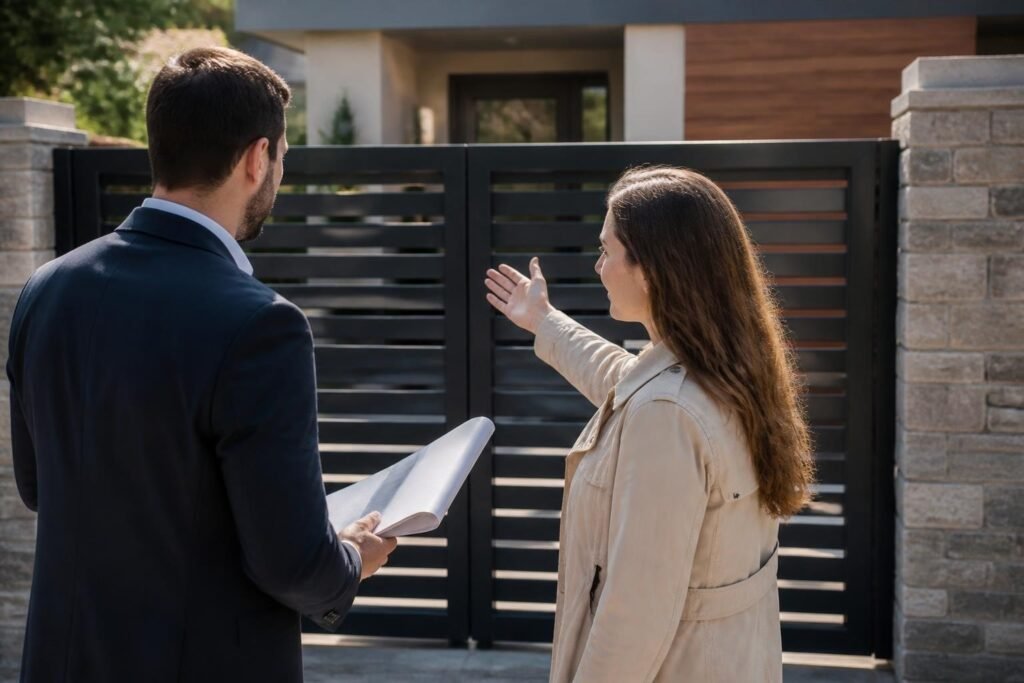
Finding the right professionals for driveway gates installation near me has become a priority for property owners across Los Angeles and nationwide in 2026. Whether you're enhancing security, boosting curb appeal, or adding convenience to your daily routine, installing a driveway gate represents a significant investment that requires careful planning and expert execution. This comprehensive guide walks you through every aspect of the installation process, from choosing the right gate style to understanding permit requirements and selecting qualified installers who meet current safety standards.
Understanding Driveway Gate Types and Styles
When searching for driveway gates installation near me, your first major decision involves selecting the gate type that best fits your property layout, budget, and functional needs.
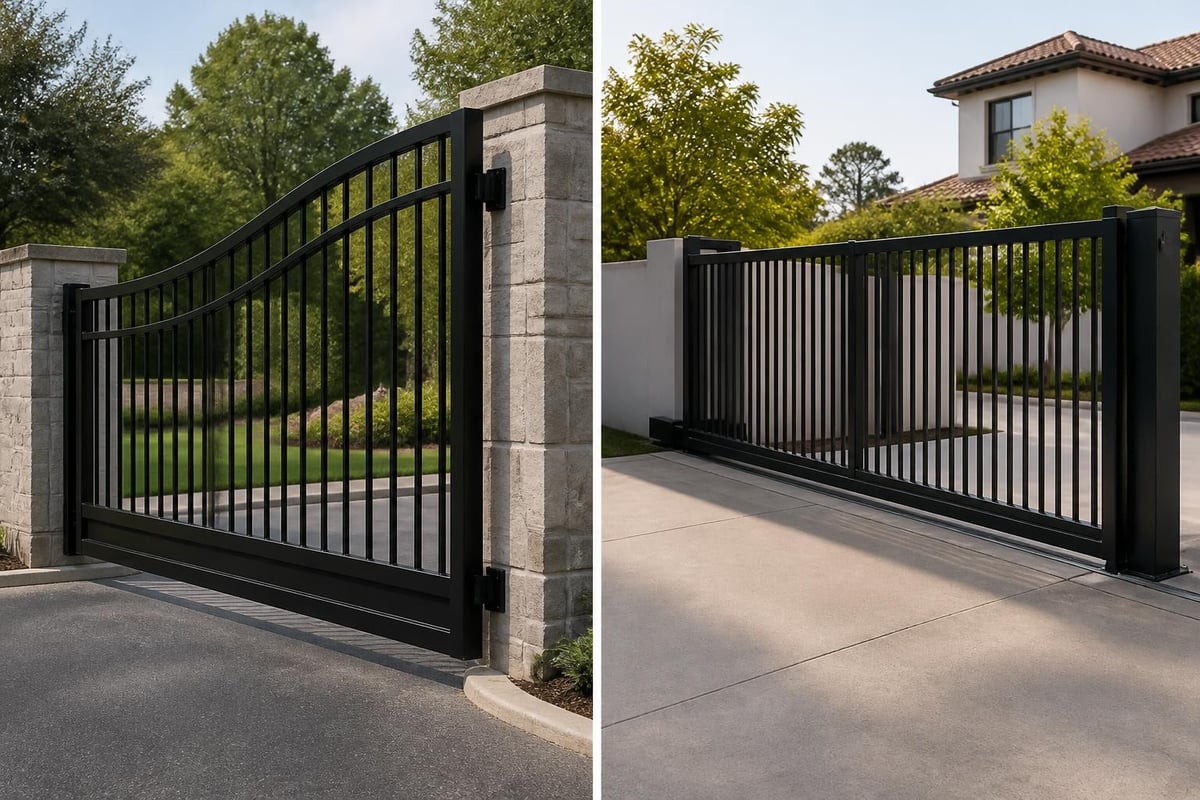
Swing Gates vs. Sliding Gates
Swing gates operate like traditional doors, opening inward or outward on hinges. They require clearance space equal to the gate width and work best on flat driveways with adequate room for the swing arc. These gates offer a classic aesthetic and typically cost less to install than sliding systems.
Sliding gates move horizontally along a track parallel to the fence line. They're ideal for sloped driveways, limited clearance areas, or when you want to maximize driveway space. Cantilever sliding gates (no ground track) reduce maintenance but increase installation complexity and cost.
Key considerations include:
- Available clearance space on your property
- Driveway slope and terrain conditions
- Width of your driveway opening
- Aesthetic preferences and neighborhood standards
- Long-term maintenance requirements
Material Options and Durability
Gate materials directly impact appearance, longevity, and maintenance demands. Wrought iron gates deliver timeless elegance and exceptional strength but require periodic repainting to prevent rust. Aluminum gates offer similar aesthetics with lighter weight and superior corrosion resistance, making them popular in coastal areas.
Steel gates provide maximum security and durability at moderate cost, though they need protective coatings in humid climates. Wood gates create warm, natural curb appeal but demand regular sealing and maintenance. Vinyl and composite materials minimize upkeep while simulating wood appearance, though they may not suit all architectural styles.
| Material | Durability | Maintenance | Security | Cost Range |
|---|---|---|---|---|
| Wrought Iron | Excellent | High | Excellent | $$$ – $$$$ |
| Aluminum | Very Good | Low | Good | $$ – $$$ |
| Steel | Excellent | Moderate | Excellent | $$ – $$$ |
| Wood | Good | High | Moderate | $ – $$ |
| Vinyl/Composite | Good | Very Low | Moderate | $$ |
Automation and Access Control Systems
Modern driveway gates installation near me projects increasingly incorporate automated opening systems that enhance convenience and security.
Electric Gate Operators and Motors
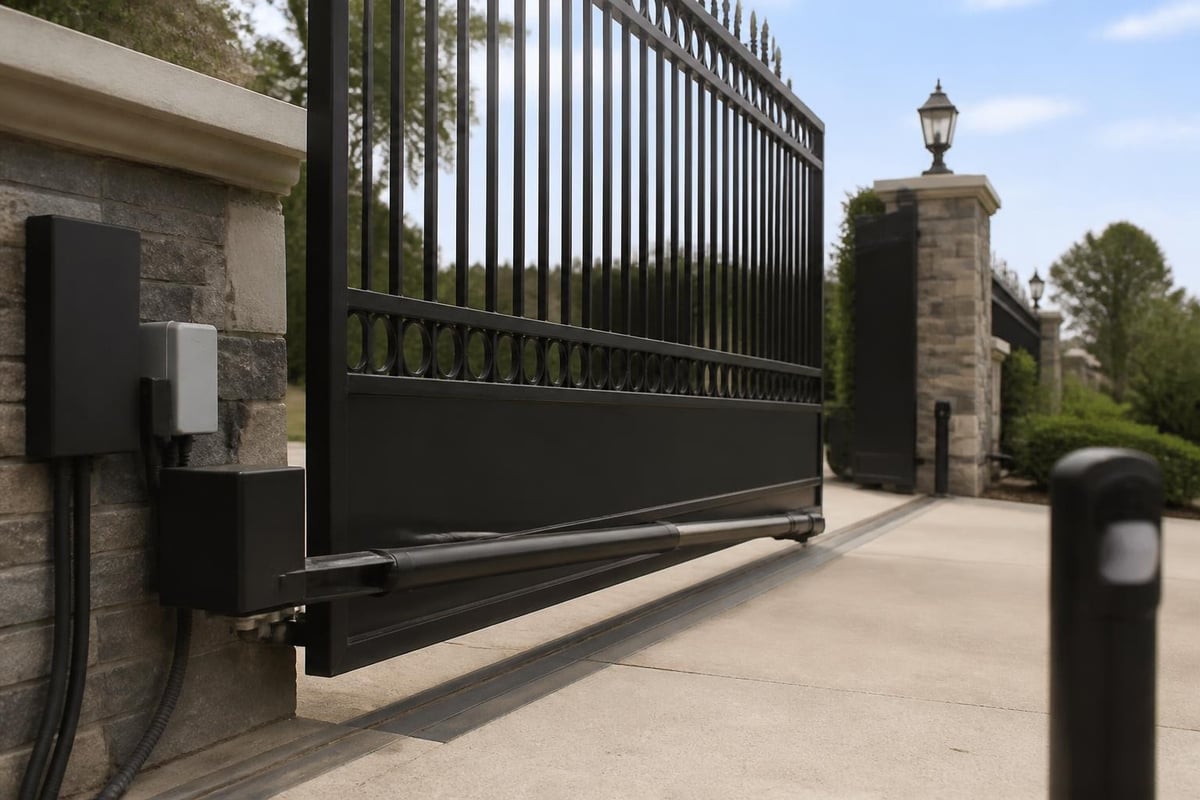
Gate automation requires selecting an operator matched to your gate weight, size, and usage frequency. Hydraulic operators deliver powerful, smooth operation ideal for heavy gates and commercial applications. They handle frequent cycling but cost more initially.
Electromechanical operators use gear-driven motors suitable for residential gates with moderate usage. They're quieter and more energy-efficient than hydraulic systems. Solar-powered operators eliminate electrical wiring requirements, perfect for remote gate locations or environmentally conscious installations.
The UL 325 standard for gate operators establishes critical safety requirements that professional installers must follow. This certification ensures your automated gate includes entrapment protection devices that prevent injury if someone or something enters the gate's path during operation.
- Operator capacity: Must exceed gate weight by 20-30% for longevity
- Duty cycle ratings: Residential vs. commercial usage requirements
- Battery backup: Maintains operation during power outages
- Integration capabilities: Compatibility with existing security systems
Access Control and Entry Methods
Once automated, your gate needs convenient access control. Remote controls remain the most common solution, with modern systems offering rolling code encryption to prevent unauthorized duplication. Keypad entry provides code-based access for family, guests, and service providers without distributing physical devices.
Smartphone control via WiFi or cellular connections enables remote operation and activity monitoring from anywhere. Intercom systems with video capability let you visually verify visitors before granting access. Vehicle loop detectors automatically open gates for exiting traffic while keeping the entrance secure.
Professional installers ensure these systems integrate seamlessly while maintaining compliance with safety standards. If you already have automated gates requiring service, electric gate repair specialists can diagnose and fix access control issues quickly.
Permit Requirements and Code Compliance
Searching for driveway gates installation near me involves more than finding contractors-it requires understanding local regulations that govern gate installations.
Building Permits and Inspections
Most municipalities require building permits for automated driveway gates, particularly those with electrical components. The International Code Council standards provide the framework many jurisdictions adopt for residential and commercial construction, including gate installations.
Permit requirements typically include:
- Setback compliance: Distance from property lines and public rights-of-way
- Height restrictions: Maximum gate and fence heights by zone
- Swing clearance: Ensuring gates don't swing over public sidewalks or streets
- Safety device verification: Entrapment protection and emergency access features
- Electrical inspection: Proper wiring, grounding, and operator installation
Your chosen installer should handle permit applications and coordinate required inspections. Unpermitted installations risk fines, forced removal, and complications when selling your property.
Safety Standards and Emergency Access
Gate safety extends beyond preventing entrapment injuries. Fire and building codes increasingly require automated gates to include emergency access provisions that allow first responders to enter during emergencies.
Knox Box systems or similar emergency access devices give fire departments universal keys to override gate controls. Breakaway posts or crash-rated barriers balance security with emergency vehicle access. Battery backup systems ensure gates can open during power failures.
The American Fence Association’s gate safety advocacy emphasizes professional installation and regular maintenance as essential for long-term safety compliance.
Installation Process and Timeline
Understanding what driveway gates installation near me actually involves helps you prepare your property and set realistic expectations.
Site Preparation and Foundation Work
Professional installation begins with thorough site assessment. Installers evaluate driveway slope, soil conditions, drainage patterns, and clearance requirements. They identify underground utilities to prevent damage during post installation.
Foundation requirements vary by gate size and type. Swing gates need robust posts set in concrete footings extending below frost lines-typically 36-48 inches deep in most climates. Posts must be perfectly plumb and properly spaced to prevent sagging or misalignment.
Sliding gates require a concrete track bed or cantilever support system. The track must be level and properly aligned to prevent binding or excessive wear. Poor foundation work creates ongoing operational problems that cost far more to correct than doing it right initially.
Gate Installation and Automation Integration
Once foundations cure (typically 48-72 hours), installers mount gate panels, hardware, and automation components. This phase includes:
- Hanging gate panels and adjusting hinges or rollers for smooth operation
- Installing and aligning limit switches and safety sensors
- Mounting and wiring gate operators according to manufacturer specifications
- Programming access control devices and testing all entry methods
- Installing required safety labels and operational signage
- Conducting comprehensive safety testing per industry standards
The AFA automated gate inspector checklist provides a detailed verification process that professional installers should follow to ensure every safety and operational requirement is met before turning the system over to you.
| Installation Phase | Timeline | Key Considerations |
|---|---|---|
| Site Assessment | 1-2 hours | Measurements, utilities, grade verification |
| Foundation/Posts | 1 day + cure time | Depth, alignment, concrete quality |
| Gate Assembly | 1-2 days | Panel mounting, hardware adjustment |
| Automation Setup | 0.5-1 day | Wiring, programming, safety devices |
| Testing/Training | 2-4 hours | Safety verification, user instruction |
Total project duration typically ranges from 3-7 days depending on complexity, weather, and concrete curing requirements.
Cost Factors and Budget Planning
When researching driveway gates installation near me, understanding cost variables helps you budget appropriately and compare proposals effectively.
Material and Labor Cost Breakdown
Material costs range dramatically based on gate size, style, and materials. A basic single swing gate in chain-link fabric might cost $800-1,500 for materials alone, while custom wrought iron double gates can exceed $8,000-15,000 before installation labor.
Automation components add $1,500-4,000 depending on operator type, access control sophistication, and safety features. Budget operators may save money initially but often lack reliability and longevity compared to quality brands.
Labor costs reflect installer expertise, regional market rates, and project complexity. Expect $1,000-3,000 for basic swing gate installation, increasing to $3,000-6,000+ for complex sliding gates or challenging site conditions. Licensed, insured professionals with proven track records command premium rates but deliver superior results and accountability.
Additional expenses to consider:
- Permit fees: $150-500 depending on jurisdiction
- Site preparation: $500-2,000 for grading, utilities relocation
- Electrical service: $300-1,500 if running new circuits
- Intercom/camera systems: $400-2,500
- Decorative elements: Variable based on customization
Long-Term Value and Return on Investment
Quality driveway gates installation near me projects deliver returns beyond initial costs. Enhanced security reduces theft and vandalism risk while potentially lowering insurance premiums. Improved curb appeal increases property value-real estate professionals estimate well-designed gates add 3-5% to home values in upscale neighborhoods.
Convenience benefits accumulate daily-no more exiting vehicles in rain to open gates or worrying about gates left open. Privacy protection becomes increasingly valuable in densely developed areas.
Maintenance costs vary by gate type and quality. Budget $200-500 annually for preventive maintenance including lubrication, adjustment, and safety testing. Well-maintained systems operate reliably for 15-25 years before requiring major component replacement.
Choosing Qualified Installation Professionals
Finding reliable contractors when searching for driveway gates installation near me requires due diligence beyond simple online searches.
Credentials and Experience Verification
Licensing requirements vary by state and locality. California requires contractors performing gate work exceeding $500 to hold appropriate contractor licenses. Verify licenses through your state's contractor licensing board and check for complaints or disciplinary actions.
Insurance coverage protects you from liability if workers are injured or your property is damaged during installation. Request certificates of liability insurance ($1 million minimum) and workers' compensation coverage directly from the installer's insurance carrier.
Experience and specialization matter significantly. Installers who primarily focus on fencing may lack expertise in complex automation systems. Look for companies with specific gate automation experience and manufacturer certifications from operator brands they install.
Questions to ask potential installers:
- How many automated gate installations have you completed in the past year?
- Which gate operator brands do you recommend and why?
- Do you handle permit applications and coordination with inspections?
- What warranty coverage do you provide on materials and labor?
- Can you provide local references from recent similar projects?
Evaluating Proposals and Contracts
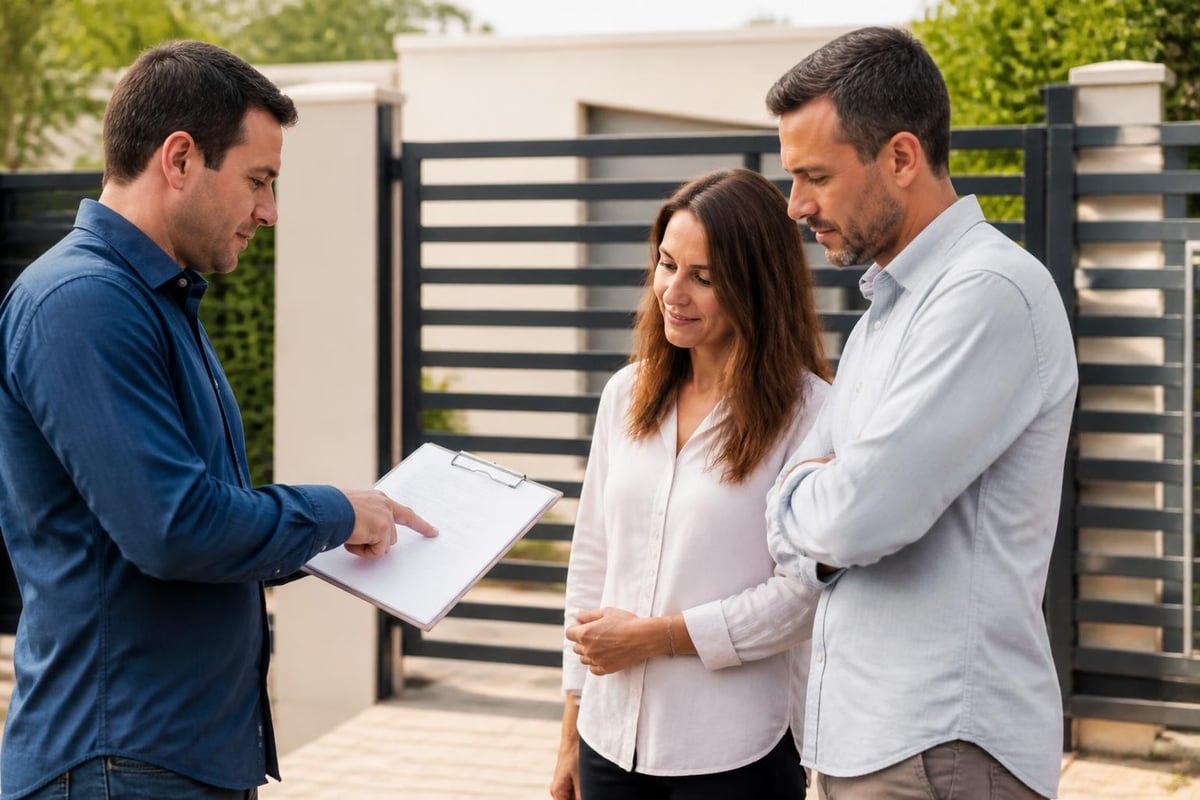
Quality proposals detail every aspect of the project with transparent pricing. Beware of vague descriptions or significant price variations between bidders-they likely reflect different scopes of work or quality levels.
Compare proposals based on:
- Detailed specifications: Exact materials, brands, models specified
- Scope completeness: Who handles permits, site prep, electrical work
- Timeline commitments: Start date, completion date, weather provisions
- Warranty terms: Parts, labor, operator coverage duration
- Payment schedule: Reasonable deposits (typically 30-50%), progress payments tied to milestones
Written contracts should include everything in the proposal plus cancellation terms, change order procedures, and dispute resolution mechanisms. Never accept verbal agreements or pay cash without receipts.
For property owners throughout Los Angeles and surrounding areas, choosing experienced local providers ensures faster response times for both installation questions and future service needs.
Installation Best Practices and Quality Indicators
Professional driveway gates installation near me projects follow established best practices that ensure long-term performance and safety.
Proper Foundation and Structural Installation
Gate posts represent the foundation of reliable operation. Post diameter and wall thickness must match gate weight and wind load calculations. Residential swing gates typically require 4-6 inch steel posts, while heavy estate gates need 6-8 inch posts.
Concrete footings should extend to appropriate frost depth and provide adequate lateral support. A common rule: footing depth should equal one-third the above-ground post height, with minimum diameter twice the post diameter. For example, a 6-foot above-ground post needs a 2-foot deep, 12-inch diameter footing at minimum.
Post plumbness critically affects gate operation. Posts must be perfectly vertical in both directions-even slight deviations cause binding, uneven wear, and operator strain. Quality installers use laser levels and multiple verification measurements before concrete sets.
Electrical and Automation Standards
Wiring quality separates professional installations from amateur work. All electrical components should meet local code requirements with appropriate wire gauge for circuit length and load. Dedicated circuits prevent voltage drop that degrades operator performance.
Conduit protection shields wiring from damage, moisture, and rodents. Underground wiring requires burial depth per code (typically 18-24 inches) with properly sealed penetrations through posts and structures.
Safety device placement must comply with UL 325 requirements and manufacturer specifications. Photocells, safety edges, and other entrapment protection devices need strategic positioning to detect potential obstructions throughout the gate's travel path.
The installation quality directly impacts reliability-shortcuts here generate the service calls that frustrate owners and create safety hazards. While This Old House offers helpful guidance for simple manual gates, automated systems require professional expertise to ensure safety and code compliance.
Maintenance and Long-Term Care
Even the best driveway gates installation near me requires ongoing maintenance to sustain reliable performance and safety compliance.
Routine Maintenance Schedule
Monthly checks should include visual inspection of gate alignment, listening for unusual noises during operation, and testing safety devices by deliberately obstructing the gate path. Clean photocell lenses and verify remote controls function properly.
Quarterly maintenance involves lubricating hinges, rollers, and moving components with appropriate products-never use WD-40 on gate hardware as it attracts dust and degrades quickly. Check and tighten all bolts, examine welds for cracks, and test battery backup systems.
Annual professional service provides comprehensive inspection including operator adjustment, safety device calibration, electrical connection verification, and wear assessment. Technicians can identify developing problems before they cause failures or safety issues.
Maintenance tasks by frequency:
- Monthly: Visual inspection, safety test, cleaning
- Quarterly: Lubrication, hardware tightening, alignment check
- Annually: Professional inspection, operator service, complete safety audit
- As needed: Touch-up painting, battery replacement, sensor realignment
Common Issues and When to Call Professionals
Gate binding or jerky operation often indicates hinge wear, track misalignment, or post settlement. These issues worsen rapidly and can damage operators if ignored. Intermittent operation suggests electrical problems, corroded connections, or failing sensors requiring professional diagnosis.
Unusual noises during operation signal developing mechanical problems. Grinding indicates worn bearings or gears; squealing suggests inadequate lubrication; banging points to loose hardware or limit switch misalignment.
Safety device failures demand immediate professional attention. If gates don't reverse when obstructed or photocells stop detecting obstacles, discontinue automated operation until repairs are completed. Never bypass or disable safety devices-they prevent serious injuries and meet legal requirements.
For Los Angeles area property owners, understanding available gate safety features helps maintain compliant, reliable systems that protect your family and visitors.
DIY vs. Professional Installation Considerations
While some homeowners consider self-installation when searching for driveway gates installation near me solutions, understanding the complexity helps make informed decisions.
Skills and Tools Required
Manual gate installation requires moderate carpentry skills, concrete work experience, and basic tools including post hole diggers, levels, concrete mixing equipment, and welding capability for metal gates. Weekend DIYers can successfully install simple swing gates on level properties with good planning.
Automated gate installation elevates complexity dramatically. You'll need electrical knowledge for safe wiring, understanding of operator programming and adjustment, and ability to properly install and calibrate safety devices. Specialized tools include conduit benders, wire pulling equipment, and diagnostic meters.
Code compliance knowledge may be the most challenging DIY aspect. Understanding applicable building codes, electrical codes, and UL safety standards requires research and expertise that professional installers develop through training and experience.
When Professional Installation Makes Sense
Complex automation requirements including intercom integration, sophisticated access control, or commercial-grade operators exceed most DIY capabilities. Challenging sites with slopes, limited clearance, or underground utility conflicts demand professional problem-solving.
Liability and warranty protection provided by licensed, insured professionals protects your investment and legal exposure. Self-installation voids manufacturer warranties on most operators and eliminates recourse if problems develop.
Time and efficiency considerations matter-professionals complete installations in days that might take DIYers weeks of weekend work, with superior results and no costly learning mistakes.
| Factor | DIY Installation | Professional Installation |
|---|---|---|
| Basic swing gate | Feasible with skills | Faster, guaranteed results |
| Sliding gate | Challenging alignment | Recommended |
| Automated system | Not recommended | Strongly recommended |
| Code compliance | Self-research required | Handled by installer |
| Warranty coverage | Often voided | Full protection |
| Time investment | 2-4 weekends | 3-7 days |
For property owners seeking automatic gates near me, professional installation ensures systems meet current safety standards while delivering reliable daily operation.
Successful driveway gates installation near me projects combine thoughtful planning, quality materials, professional expertise, and ongoing maintenance commitment. Whether enhancing security, adding convenience, or elevating your property's curb appeal, investing in proper installation delivers years of reliable service and peace of mind. If you need expert guidance on gate installation planning or require professional service for existing automated gates throughout Los Angeles, Gates On Site brings over 20 years of experience to residential and commercial properties, with same-day emergency service available at no extra charge whenever you need it most.