
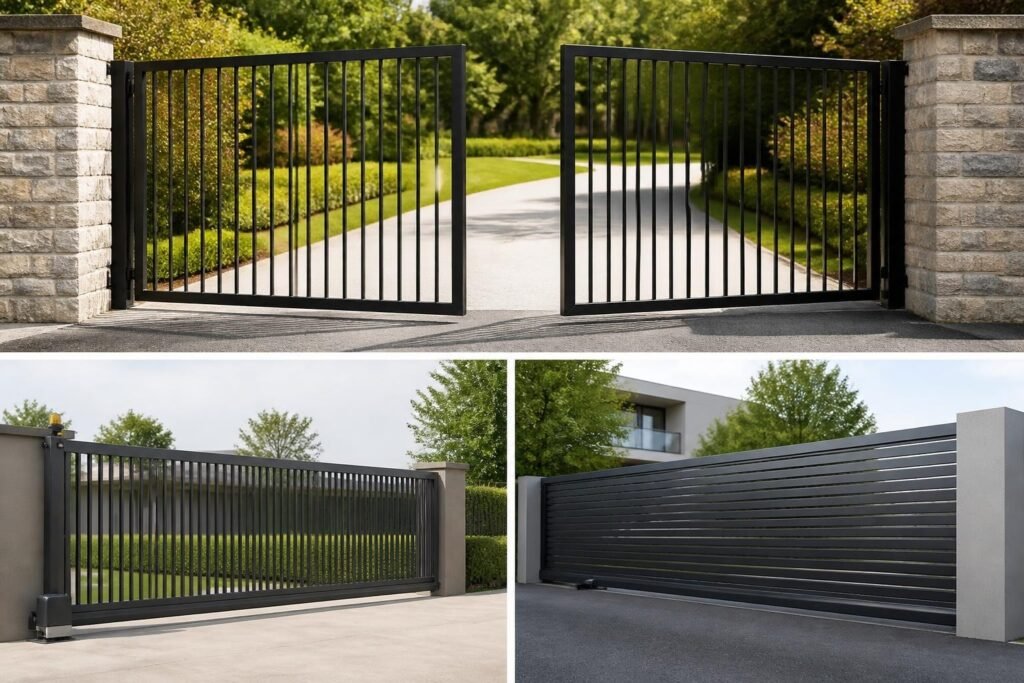
Selecting the right gate for driveway metal applications involves balancing security, aesthetics, durability, and functionality. Whether you're protecting a residential property in Los Angeles or managing commercial access control, metal gates offer unmatched strength and longevity compared to wood or vinyl alternatives. Modern metal driveway gates combine traditional craftsmanship with advanced automation technology, providing property owners with convenient, secure access solutions that withstand decades of Southern California weather and daily use. Understanding the materials, construction standards, and operational features available today helps you make an informed investment that enhances both property value and peace of mind.
Metal Gate Material Options and Their Performance Characteristics
When evaluating a gate for driveway metal construction, the base material fundamentally determines longevity, maintenance requirements, and appearance over time. Steel gates dominate the residential and commercial market due to their exceptional strength-to-weight ratio and versatility in design. Galvanized steel offers superior corrosion resistance through a protective zinc coating, making it ideal for coastal areas and regions with high humidity.
Wrought iron remains a premium choice for homeowners seeking traditional elegance and intricate decorative details. Though technically a form of low-carbon steel, wrought iron's fibrous structure provides excellent tensile strength and the ability to withstand impact better than many modern alternatives. The material requires periodic maintenance to prevent rust, but properly treated wrought iron gates can last generations.
Aluminum Gates for Lightweight Durability
Aluminum presents unique advantages for specific driveway gate applications. Its natural corrosion resistance eliminates the need for galvanizing, and its lightweight nature reduces strain on automated operators and hinges. However, aluminum's lower tensile strength means thicker gauge material is required to match steel's structural integrity.
- Powder-coated aluminum: Enhanced color retention and UV resistance
- Marine-grade aluminum: Optimal for properties within five miles of the coast
- Reinforced aluminum frames: Structural ribs for added rigidity without excessive weight
- Maintenance-free finish: No repainting required for 15-20 years under normal conditions
The American Galvanizers Association design guide provides comprehensive technical specifications for protective coating systems that extend the service life of steel gates in challenging environments.
Swing Gates Versus Sliding Gates: Configuration Considerations
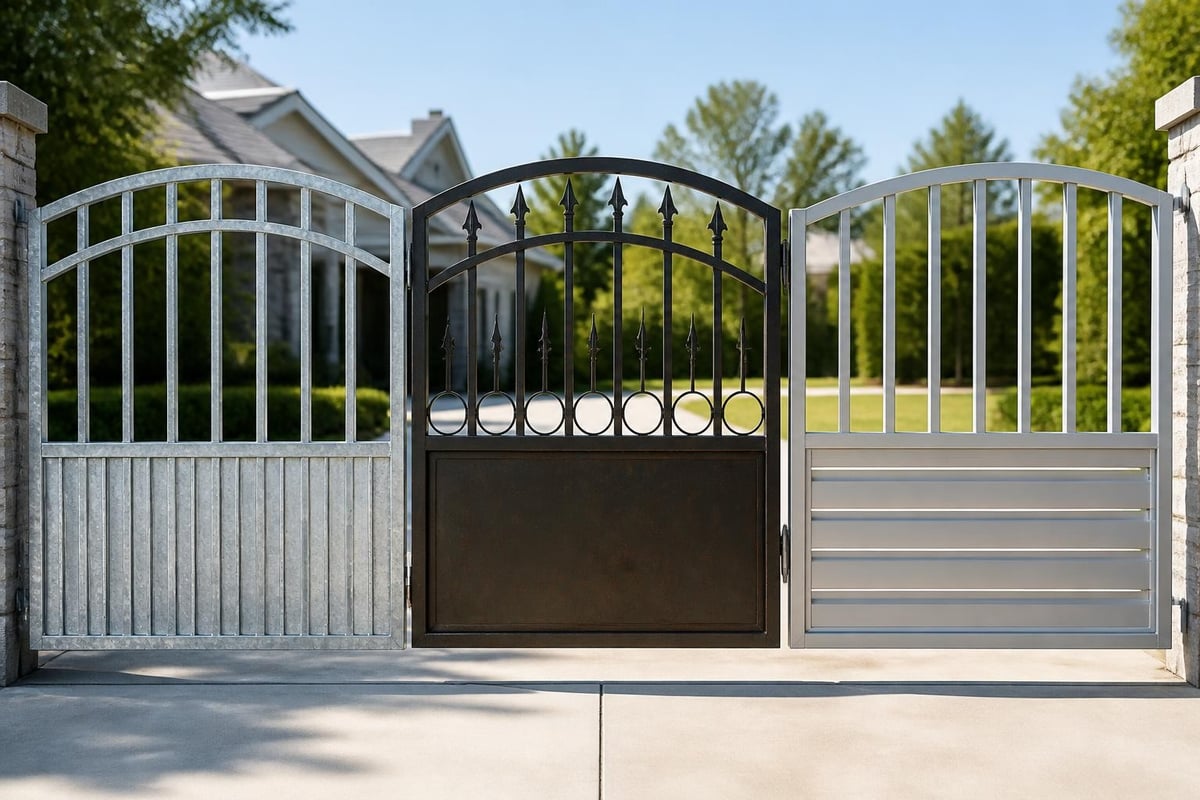
The physical layout of your driveway dictates which gate for driveway metal configuration will function most effectively. Swing gates operate like traditional doors, pivoting on hinges mounted to posts or pillars. They require adequate clearance space equal to the full arc of the gate panel, typically 90 to 180 degrees depending on design.
Single-swing configurations work well for narrower driveways (up to 12 feet), while double-swing gates accommodate wider openings up to 24 feet. The symmetrical appearance of dual panels creates an impressive entrance statement for luxury properties. However, swing gates demand level ground throughout their arc of travel, making them unsuitable for driveways with significant slope immediately inside the gate line.
Sliding Gate Systems for Space-Constrained Properties
Sliding gates travel parallel to the fence line, eliminating the need for swing clearance. This configuration proves invaluable on sloped driveways, properties with limited setback from the street, or locations where vehicle traffic requires the gate to open away from the roadway.
| Feature | Swing Gates | Sliding Gates |
|---|---|---|
| Driveway space required | Arc clearance (10-24 ft radius) | Linear track space (1.5× gate width) |
| Slope tolerance | Requires level ground in arc | Handles grades up to 15% |
| Automation complexity | Simpler operator installation | Requires track, rollers, guide systems |
| Wind resistance | Higher lateral load when open | Lower profile, better stability |
| Initial cost | Generally lower | 15-25% higher due to track system |
Cantilever sliding gates represent the premium solution for heavy-duty applications. Unlike track-mounted systems that require ground rails (which collect debris and ice), cantilever gates suspend from overhead or side-mounted rollers, gliding smoothly without ground contact. This design excels in areas with heavy snowfall or where the driveway surface cannot accommodate embedded tracks.
Automated Gate Systems and Safety Compliance
Modern automated gate for driveway metal installations must comply with UL 325 safety standards governing gate operators and access control systems. These regulations mandate specific safety features including obstruction sensors, adjustable closing force, and emergency manual release mechanisms.
Operator selection depends on gate weight, daily cycle count, and desired features:
- Articulated arm operators for swing gates (residential and light commercial)
- Underground hydraulic systems for concealed, high-security installations
- Rack-and-pinion drive systems for sliding gates up to 1,800 pounds
- Chain-drive operators for heavier sliding gates exceeding 2,000 pounds
Electric gate repair specialists like those at Gates On Site emphasize the importance of professional installation to ensure safety systems function correctly from day one. Improperly calibrated force settings or misaligned sensors create liability risks and accelerate component wear.
Entrapment Prevention Technologies
Recent updates to the CPSC safety standards for gates have strengthened requirements for entrapment prevention. Contemporary automated gate for driveway metal systems incorporate multiple layers of protection:
- Photoelectric sensors: Invisible beam across gate path triggers immediate stop/reverse
- Edge sensors: Pressure-sensitive strips on gate leading edge detect contact
- Loop detectors: In-ground vehicle detection prevents gate closure on approaching cars
- Timer-to-close delays: Adjustable pause before automatic closing (typically 30-90 seconds)
The ASTM F2200 standard establishes construction specifications for automated vehicular gates, including minimum material gauges, hinge load ratings, and structural testing requirements. Compliance with this standard ensures your gate installation meets engineering best practices for long-term reliability.
Design Styles and Architectural Integration
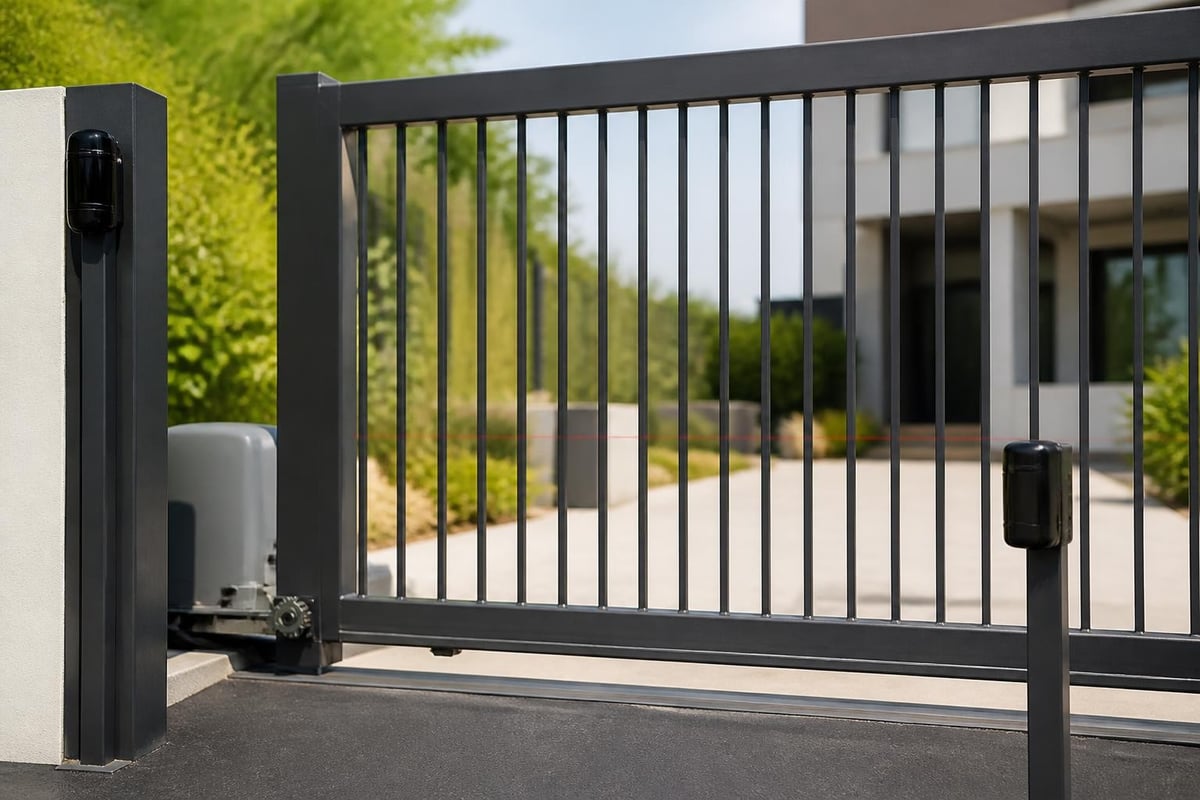
A gate for driveway metal installation serves as the first impression of your property, making aesthetic compatibility with existing architecture crucial. Traditional styles feature ornamental scrollwork, finials, and decorative pickets that complement Spanish Colonial, Mediterranean, and Victorian home designs prevalent throughout Los Angeles neighborhoods.
Contemporary properties benefit from minimalist gate designs with clean horizontal lines, flat panels, and geometric patterns. Industrial modern aesthetics embrace exposed hardware, raw steel finishes, and asymmetric panel arrangements that make bold architectural statements.
Customization Options Beyond Basic Panels
- Laser-cut patterns: Custom logos, monograms, or artistic designs cut directly into metal panels
- Mixed materials: Metal frames with wood, glass, or composite inserts
- Integrated lighting: LED strips or post-mounted fixtures that illuminate gate and entrance
- Privacy screening: Solid panels or closely-spaced pickets that block sightlines while maintaining airflow
Powder coating technology has revolutionized color options for metal gates. Unlike traditional wet paint that chips and fades, electrostatically-applied powder coatings create a durable, uniform finish resistant to scratches, UV degradation, and chemical exposure. Property owners can select from thousands of standard colors or specify custom matches to existing trim, roofing, or landscape elements.
Wrought iron gates often feature a textured black finish that highlights ornamental details, while modern aluminum installations trend toward charcoal gray, bronze, and architectural white. The hot-dip galvanizing process followed by powder coating (duplex system) provides the ultimate corrosion protection for gates in harsh environments, extending service life beyond 50 years.
Access Control Integration and Smart Features
Modern gate for driveway metal systems integrate seamlessly with comprehensive access control platforms that manage entry permissions, monitor usage, and provide security alerts. Basic control options include wireless remote transmitters, keypad entry, and smartphone apps that operate via Bluetooth or cellular connection.
Advanced systems incorporate multiple authentication methods simultaneously. A commercial property might require RFID card scanning plus PIN entry during business hours, while automatically granting access to registered vehicles via license plate recognition after hours. Residential applications increasingly adopt video intercom systems that allow homeowners to visually verify visitors before granting access remotely.
| Access Method | Security Level | User Capacity | Installation Cost |
|---|---|---|---|
| Remote transmitters | Medium | 1-20 users | $200-400 |
| Keypad entry | Medium-High | Unlimited (shared code) | $300-600 |
| Smartphone control | High | Unlimited (individual accounts) | $500-1,200 |
| RFID/proximity cards | High | 100-10,000 users | $800-2,500 |
| Biometric readers | Very High | 50-5,000 users | $2,000-5,000 |
Cloud-based access control platforms enable remote management from anywhere with internet connectivity. Property managers can issue temporary access codes to contractors, track entry/exit times for security auditing, and receive instant notifications when gates are operated. Integration with home automation systems allows gate operation to trigger driveway lighting, disable alarm zones, or notify household members of arrivals.
For properties requiring fire department access, NFPA fire code compliance may mandate knox box systems or special override mechanisms that allow emergency responders to open gates during emergencies without damaging the installation.
Structural Installation Requirements and Site Preparation
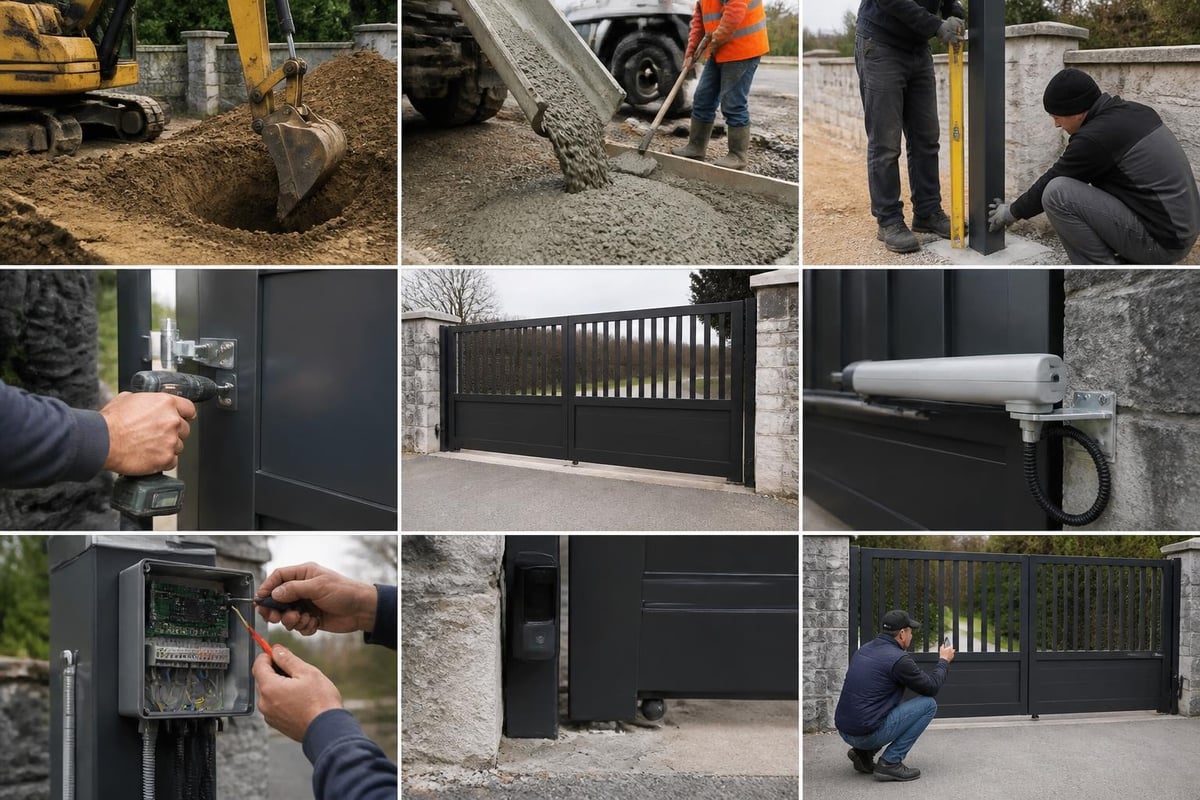
Proper installation of a gate for driveway metal system begins with engineered foundation work that accounts for soil conditions, gate weight, and operational forces. Swing gate posts typically require concrete footings extending below frost line (generally 18-24 inches in Los Angeles) with dimensions proportional to gate size.
A standard 12-foot single swing gate weighing 300 pounds demands posts set in 24-inch diameter, 36-inch deep concrete piers. Heavier gates or areas with soft soil require larger footings or the addition of steel reinforcement bars (rebar) to prevent settling or post deflection over time.
Sliding Gate Track and Foundation Specifications
Sliding gate installations require precision-leveled concrete track beds extending the full length of the gate plus overflow space. The track foundation must remain perfectly level (within 1/8 inch over 20 feet) to prevent binding and excessive roller wear.
- Excavate track bed to 6-inch depth, 12 inches wider than track
- Install compacted gravel base for drainage and stability
- Pour reinforced concrete pad with embedded track mounts
- Level and cure concrete for minimum 72 hours before gate installation
- Mount track, adjust roller heights, and calibrate limit switches
Post placement for sliding gates requires even greater precision since the catch post must align perfectly with the gate's locked position. Misalignment of even one inch can prevent proper latching and create security vulnerabilities.
Professional installation teams assess soil bearing capacity, drainage patterns, and underground utilities before breaking ground. Properties with high water tables may require drainage systems around gate foundations to prevent frost heaving or erosion that could destabilize posts over time.
Maintenance Requirements and Longevity Factors
A properly maintained gate for driveway metal installation delivers decades of reliable service with minimal intervention. Preventive maintenance schedules vary by gate type and automation complexity, but generally include quarterly inspections and annual professional service.
Essential Maintenance Tasks by Component
Structural elements require periodic inspection for rust, loose fasteners, and weld integrity. Touch up any areas where powder coating has chipped to prevent corrosion from spreading. Lubricate all pivot points, hinges, and roller bearings with appropriate grease (typically lithium-based) every six months.
Automated operators benefit from monthly testing of safety systems. Verify photoelectric sensors detect obstructions correctly, edge sensors trigger immediate stop/reverse, and manual release mechanisms operate smoothly. Battery backup systems (if installed) should be tested quarterly and batteries replaced every 3-5 years.
When professional service becomes necessary, experienced technicians can diagnose issues ranging from motor failures to track misalignment. For properties throughout Southern California, automatic gate repair specialists provide same-day service to minimize downtime and security gaps.
Common wear items include:
- Wheels and rollers: Replace every 5-7 years (sliding gates)
- Gate hinges: Inspect annually, replace every 10-15 years (swing gates)
- Operator drive chains: Adjust tension annually, replace every 8-10 years
- Control boards: Environmental protection extends life; expect 10-15 years
- Remote transmitters: Battery replacement yearly; unit replacement every 5-7 years
Coastal properties face accelerated corrosion from salt air, requiring more frequent inspections and possibly biannual reapplication of protective coatings to exposed metal surfaces. Desert environments create different challenges, with wind-blown sand gradually wearing powder coat finishes and dust accumulation affecting sensor reliability.
Code Compliance and Permit Considerations
Installing a gate for driveway metal system often requires building permits and compliance with local zoning ordinances. Los Angeles building codes regulate setback distances from property lines, maximum gate heights in front yards, and clearance requirements for fire access.
Residential properties typically face restrictions on gate height (commonly 6-8 feet maximum in front yards), while commercial installations may require compliance with Americans with Disabilities Act (ADA) provisions for pedestrian access gates adjacent to vehicle entries.
Fire marshal requirements vary by jurisdiction but generally mandate that automated gates either:
- Include fire department override systems (knox box or similar)
- Feature automatic opening upon fire alarm activation
- Provide sufficient manual operation for emergency vehicle access
- Install breakaway posts for emergency vehicle ram-through capability
The UL 325 safety standard addresses operator certification and listing requirements. Using UL-listed operators and professionally-installed systems helps ensure compliance with electrical codes and liability requirements.
Homeowner associations frequently impose additional aesthetic requirements beyond municipal codes. Review CC&Rs (Covenants, Conditions, and Restrictions) before finalizing gate design to avoid costly modifications during or after installation. Common HOA requirements address gate color, height, design style, and operational noise levels.
Security Enhancement and Perimeter Integration
A gate for driveway metal installation serves as the primary controlled access point in a comprehensive perimeter security system. Integration with surveillance cameras provides visual verification of all entry/exit events and creates forensic records for security incidents.
Strategic camera placement includes views of the approach lane (capturing license plates), the gate mechanism area (documenting who operates controls), and the interior driveway (confirming vehicles and occupants). Modern IP cameras with cloud recording eliminate the need for on-site DVR equipment vulnerable to theft or tampering.
Layered Security Through Multiple Technologies
Effective perimeter security combines physical barriers, detection systems, and access controls:
- Gate automation: Prevents unauthorized vehicle entry, controls traffic flow
- Fence extensions: Continuous barrier connecting to gate posts eliminates bypass routes
- Ground sensors: Detect attempts to tunnel under or climb over barriers
- Motion-activated lighting: Deters casual trespassers, aids camera performance at night
- Audible alarms: Alert property occupants and deter intruders upon unauthorized access attempts
Commercial properties benefit from integration between gate access controls and broader security management systems. When an authorized vehicle enters, the system can automatically disarm specific alarm zones, unlock interior doors, and log the entry event with timestamp and user credentials.
Understanding common electric gate problems helps property owners recognize when security vulnerabilities emerge from equipment failures. A gate that fails to close completely, exhibits erratic operation, or doesn't respond to access controls creates security gaps that require immediate professional attention.
Cost Analysis and Return on Investment
Investment in a quality gate for driveway metal installation ranges from $3,000 for basic manually-operated swing gates to $15,000+ for fully automated sliding systems with advanced access controls. Material selection significantly impacts total project cost, with aluminum typically running 20-30% more than galvanized steel for equivalent specifications.
| System Type | Material Cost | Installation Labor | Automation Components | Total Investment |
|---|---|---|---|---|
| Manual swing gate (12 ft) | $1,200-2,000 | $800-1,200 | N/A | $2,000-3,200 |
| Automated swing gate (16 ft) | $2,500-4,000 | $1,500-2,500 | $1,200-2,000 | $5,200-8,500 |
| Manual sliding gate (20 ft) | $3,000-5,000 | $2,000-3,000 | N/A | $5,000-8,000 |
| Automated sliding gate (24 ft) | $5,000-8,000 | $3,000-4,500 | $2,500-4,000 | $10,500-16,500 |
Return on investment extends beyond simple property value appreciation. Automated gates reduce insurance premiums for many commercial properties through enhanced security. Residential properties in gated communities or high-crime areas see measurable increases in market value, with quality entrance gates adding 3-5% to home sale prices.
Operational savings accumulate over the gate's service life. Modern LED lighting consumes 80% less energy than traditional incandescent fixtures. Solar-powered gate operators eliminate electrical service costs entirely for remote installations. Professional maintenance contracts (typically $200-400 annually) prevent expensive emergency repairs and extend component life by identifying issues early.
Financing options through specialized gate installation contractors make premium systems accessible to a broader range of property owners. Five-year payment plans with competitive interest rates allow spreading costs while immediately enjoying security and convenience benefits.
Selecting and maintaining the right gate for driveway metal applications requires balancing multiple factors from materials and automation to safety compliance and aesthetic integration. Whether you're installing a new gate system or experiencing issues with an existing installation, professional expertise ensures reliable, code-compliant operation that protects your property investment. Gates On Site brings over 20 years of experience to residential and commercial properties throughout Los Angeles, offering same-day repair service with no extra emergency charges to keep your gate system functioning safely and smoothly.