
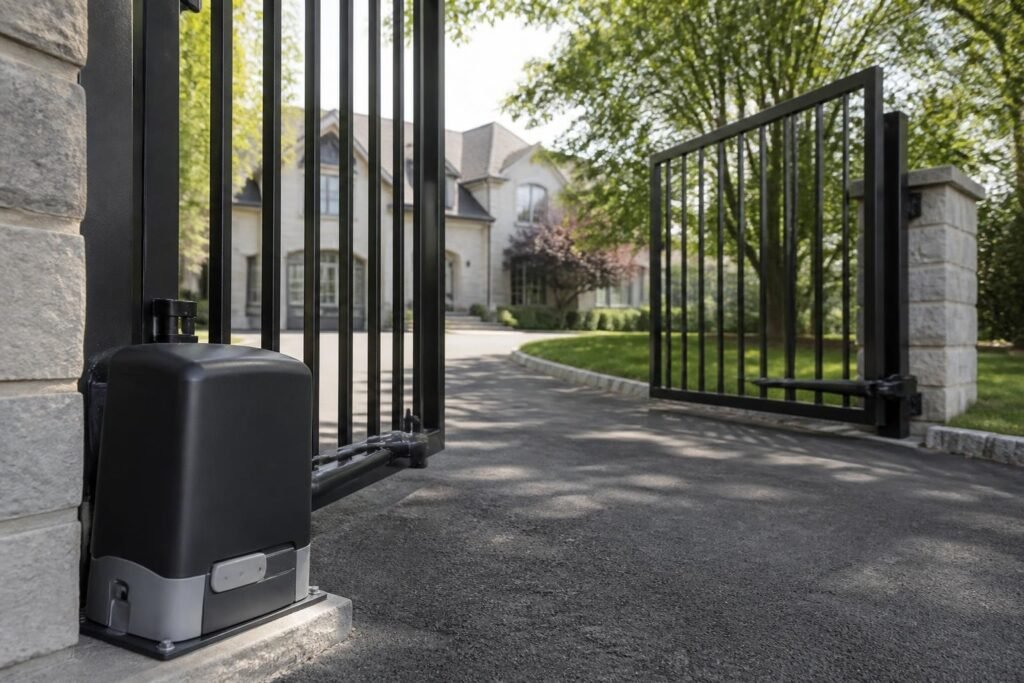
Property owners seeking reliable automated gate solutions frequently encounter All O Matic gate opener systems as a trusted choice in the access control industry. With decades of manufacturing experience and a reputation for durable, code-compliant operators, All O Matic has become a staple for both residential driveways and commercial facilities across the United States. Understanding the features, installation requirements, and maintenance considerations of these systems helps property managers make informed decisions about their access control investments.
Understanding All O Matic Gate Opener Technology
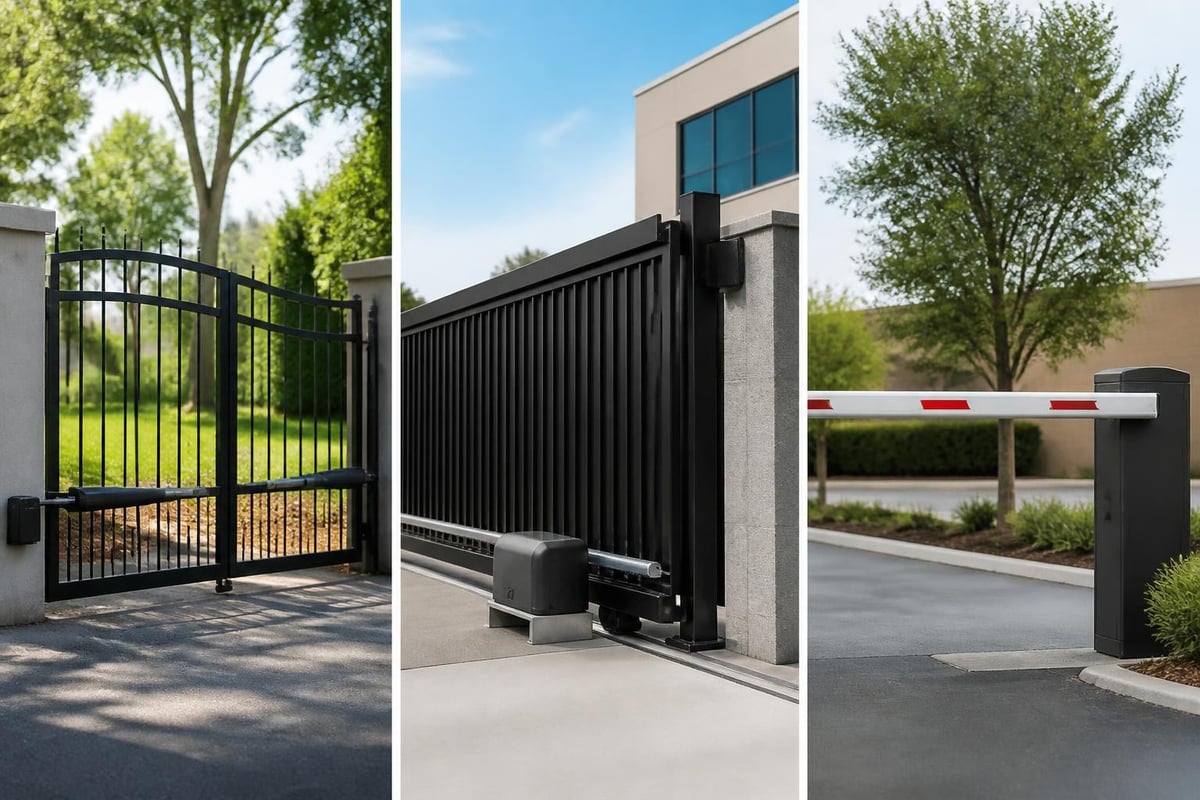
All O Matic gate opener systems represent a comprehensive line of electromechanical operators designed for swing gates, slide gates, and barrier arms. The company manufactures both AC and DC-powered models, each engineered to handle specific gate weights, usage frequencies, and environmental conditions.
Product Line Overview
The All O Matic product family spans several distinct categories, each optimized for particular applications and performance requirements.
Residential swing gate operators typically include the SL-90DC and SL-100AC models, designed for lighter-duty applications with moderate daily cycle counts. These units handle single or dual swing gates up to 18 feet in length and 800 pounds per leaf.
Commercial-grade operators such as the OH-200AC and SL-200AC accommodate heavier gates with higher cycle ratings, making them suitable for multifamily properties, gated communities, and business facilities that experience dozens or hundreds of daily operations.
Slide gate operators in the All O Matic lineup range from the compact SL-90DC for residential applications to the heavy-duty SL-450AC designed for gates weighing up to 4,500 pounds.
| Model Category | Power Type | Max Gate Weight | Typical Application |
|---|---|---|---|
| SL-90DC | 12/24V DC | 800 lbs | Residential swing |
| SL-100AC | 120V AC | 800 lbs | Residential swing |
| OH-200AC | 120V AC | 1,200 lbs | Commercial swing |
| SL-200AC | 120V AC | 2,000 lbs | Commercial slide |
Key Features and Capabilities
Modern All O Matic gate opener units incorporate several safety and convenience features that meet current UL 325 safety standards for gate operators and industry best practices.
Obstacle detection systems use various sensing technologies-including torque monitoring, edge sensors, and photoelectric beams-to reverse gate movement when obstructions are detected. This critical safety feature prevents entrapment incidents, a primary concern addressed in the DASMA gate safety guidelines.
Battery backup options ensure continued operation during power outages, particularly important for emergency vehicle access in gated communities or maintaining security perimeter control at commercial facilities.
Multiple access control inputs allow integration with keypads, card readers, remote transmitters, and vehicle loop detectors, providing flexible entry management solutions.
Installation Requirements and Best Practices
Proper installation of an all o matic gate opener requires adherence to electrical codes, manufacturer specifications, and local building requirements. Professional installation ensures safety compliance and optimal system performance.
Electrical and Power Considerations
All AC-powered All O Matic operators require a dedicated electrical circuit installed according to National Electrical Code (NFPA 70) requirements. This typically means a 120V, 15-amp dedicated circuit with proper grounding and conduit protection for exterior wiring runs.
DC-powered models need appropriate battery systems, charging circuits, and protection from environmental exposure. Solar charging options are available for locations where conventional electrical service is unavailable or cost-prohibitive.
The All O Matic installation manuals provide detailed wiring diagrams, torque adjustment procedures, and safety device integration instructions specific to each model. Following these manufacturer guidelines ensures code compliance and warranty protection.
Mounting and Mechanical Setup
Physical installation varies significantly between swing and slide gate operators:
- Foundation preparation includes pouring concrete pads with proper dimensions and anchor bolt placement
- Operator positioning must account for gate pivot points, clearances, and manufacturer-specified mounting distances
- Arm or chain attachment requires precise adjustment to prevent binding and ensure smooth gate travel
- Limit switch calibration sets proper open and close positions to prevent over-travel damage
Critical safety zone clearances must be maintained around all gate swing areas and pinch points. The U.S. Access Board guidelines address accessibility considerations when automated gates serve public or commercial facilities where ADA compliance applies.
Troubleshooting Common All O Matic Issues
Even well-maintained all o matic gate opener systems occasionally experience operational problems. Understanding common failure modes helps property owners respond appropriately and communicate effectively with repair technicians.
Electrical and Control Failures
Many service calls stem from electrical problems rather than mechanical failures:
- Circuit breaker trips may indicate motor overload, short circuits, or safety sensor faults
- Intermittent operation often results from loose connections, corroded terminals, or marginal power supplies
- Remote control failures can stem from transmitter batteries, receiver antenna issues, or interference from nearby electronics
- Sensor malfunctions prevent normal operation when photoelectric beams are misaligned or obscured by debris
When you're experiencing persistent electrical issues with gate systems, professional diagnosis from experienced technicians who provide electric gate repair services ensures problems are correctly identified and resolved with minimal downtime.

Mechanical and Performance Issues
Physical wear and environmental factors create mechanical challenges:
Motor noise or vibration typically indicates worn gears, loose mounting bolts, or misaligned drive components. Regular inspection catches these problems before complete failure occurs.
Slow or hesitant movement suggests insufficient power, mechanical binding, or improper torque settings. Gate balance should be verified-a properly balanced gate moves easily by hand with operator disconnected.
Incomplete travel or stopping mid-cycle points to limit switch problems, obstruction detection triggering incorrectly, or actual physical obstructions in the gate path.
| Symptom | Likely Causes | Diagnostic Steps |
|---|---|---|
| No response to commands | Power loss, control board failure | Check circuit breaker, test voltage at operator |
| Gate reverses immediately | Safety sensor activation, limits reversed | Inspect photo eyes, verify limit switch wiring |
| Erratic operation | Loose connections, interference | Examine all terminal connections, check for corrosion |
| Excessive noise | Worn bearings, loose hardware | Lubricate moving parts, tighten mounting bolts |
Maintenance and Longevity
Regular maintenance significantly extends all o matic gate opener service life and reduces unexpected failures. Establishing a preventive maintenance schedule protects your access control investment.
Routine Inspection Schedule
Monthly checks should include visual inspection of all visible components, testing emergency release mechanisms, and operating the gate through several complete cycles while listening for unusual sounds.
Quarterly maintenance adds lubrication of all moving parts with appropriate lubricants, cleaning of sensors and photo eyes, and verification that safety reversal features activate correctly.
Annual professional service should include comprehensive testing of all safety systems, electrical connection inspection and tightening, wear assessment of mechanical components, and review of operator settings against current gate conditions.
Component Replacement and Upgrades
Even with excellent maintenance, certain components require periodic replacement:
- Batteries in DC systems typically last 3-5 years depending on usage and climate
- Remote transmitters need battery replacement as signal strength diminishes
- Safety sensors may require replacement after exposure damage or electronics failure
- Drive gears and bearings wear gradually and need replacement based on cycle count and operating conditions
Upgrading older All O Matic systems with modern control boards can add smartphone connectivity, advanced access logging, and integration with property management platforms without replacing the entire operator assembly.
Code Compliance and Safety Standards
Operating an all o matic gate opener system requires ongoing compliance with safety regulations and building codes. Property owners bear responsibility for maintaining systems in safe operating condition.
Understanding UL 325 Requirements
The UL 325 standard specifically addresses entrapment protection for gate operators. All O Matic designs their operators to meet these requirements when properly installed with appropriate safety devices.
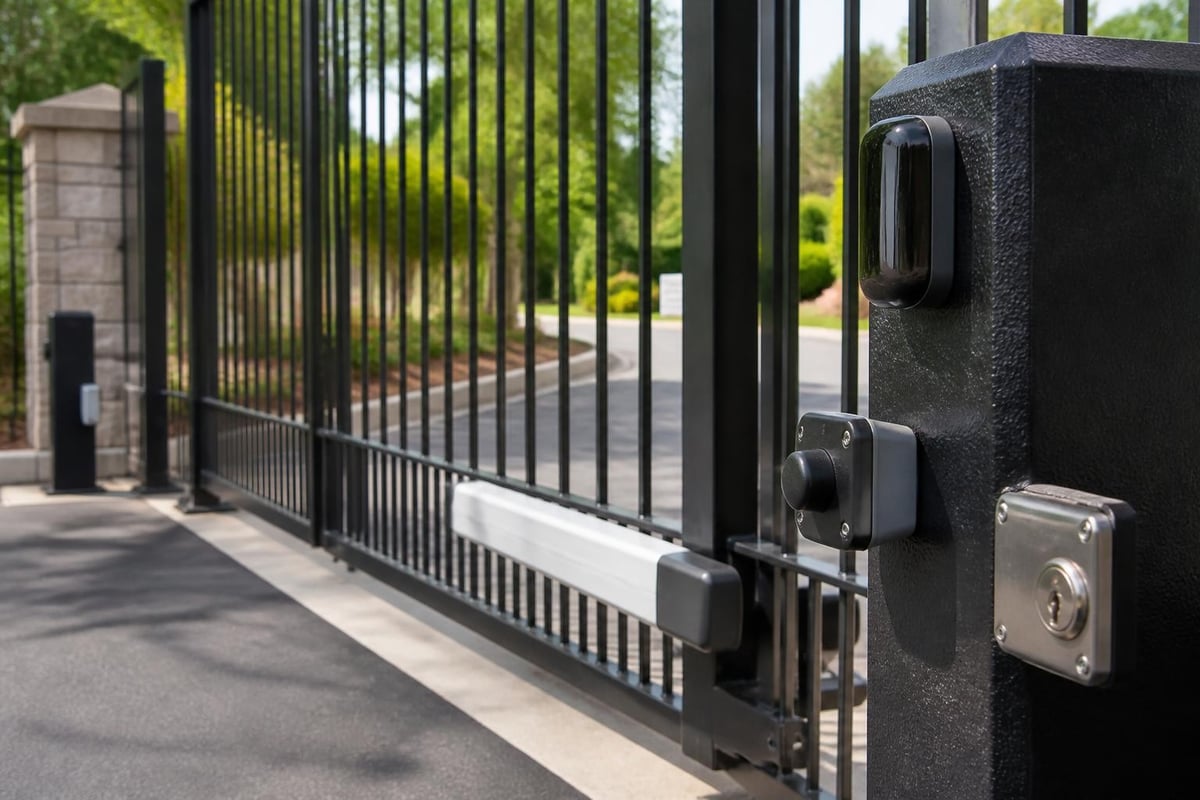
External entrapment protection devices-typically photoelectric sensors-must be installed on all vehicular gates regardless of operator model. These devices create an invisible beam across the gate path that reverses movement when broken.
Inherent entrapment protection features like force sensing and obstruction detection provide additional safety layers but do not eliminate external device requirements for most commercial applications.
Detailed safety compliance information appears in resources like municipal installation guidance documents that outline field inspection criteria and installation checklists.
Permit and Inspection Processes
Many jurisdictions require building permits and inspections for new all o matic gate opener installations or significant modifications to existing systems. The International Code Council standards inform local building codes that inspectors use to verify compliant installations.
Typical inspection points include:
- Electrical installation compliance with NEC requirements
- Proper safety device installation and testing
- Adequate warning signage placement
- Emergency release accessibility and function
- Clearance zones around gate movement areas
Working with licensed contractors familiar with local requirements ensures installations pass inspection on the first attempt and operate within legal parameters.
Selecting the Right All O Matic Model
Choosing an appropriate all o matic gate opener begins with accurate assessment of your specific application requirements, gate characteristics, and usage patterns.
Application Analysis
Gate specifications form the foundation of model selection. Measure gate weight, length, and height accurately. Consider wind loading in exposed locations and potential ice or snow accumulation in cold climates.
Usage frequency dramatically affects operator selection. A residential driveway with 10-20 daily cycles has vastly different requirements than a parking facility gate operating 200+ times daily. Commercial applications demand higher duty-cycle ratings and more robust construction.
Power availability determines AC versus DC model selection. Properties with reliable electrical service typically choose AC operators for lower long-term operating costs. Remote locations or areas with frequent power interruptions benefit from DC systems with solar charging.
Future-Proofing Considerations
Consider anticipated changes when selecting an operator:
- Capacity headroom allows for gate modifications or replacements without operator changes
- Expandable control systems accommodate additional access devices as needs evolve
- Communication interfaces enable integration with emerging smart home and building automation platforms
- Parts availability from established manufacturers ensures long-term serviceability
Professional Installation Benefits
While experienced DIY installers occasionally tackle all o matic gate opener projects, professional installation offers substantial advantages for most property owners.
Expertise and Efficiency
Licensed gate installation professionals bring specialized knowledge of local codes, manufacturer specifications, and troubleshooting techniques. They complete installations efficiently, avoiding common pitfalls that delay DIY projects.
Proper tool availability ensures precise adjustments and secure installations. Specialized tools for concrete work, electrical installation, and precise alignment produce superior results compared to improvised methods.
Warranty protection often requires professional installation. Many manufacturers and insurance carriers stipulate professional installation for warranty coverage and liability protection.
Safety and Liability
Incorrectly installed gate operators present serious safety hazards including entrapment risks, electrical shock potential, and property damage from runaway gates. Professional installers carry liability insurance protecting property owners from installation-related incidents.
The technical documentation provided in resources like the All O Matic OH-200AC manual demonstrates the complexity involved in proper installation-from torque adjustments to safety system integration-that requires both training and experience to execute correctly.
Integration with Access Control Systems
Modern all o matic gate opener installations increasingly connect with comprehensive access control platforms that manage entry across multiple facility access points.
Connectivity Options
Contemporary All O Matic operators support various integration methods:
Hardwired inputs accept signals from card readers, keypads, and intercoms using standard relay or dry contact interfaces. This traditional approach offers high reliability and straightforward troubleshooting.
Wireless receivers enable remote transmitter operation and can interface with smartphone-based access systems through cloud-connected platforms. These systems allow temporary access credentials for deliveries, guests, or service providers.
Vehicle detection systems using buried loops or above-ground sensors automatically open gates for authorized vehicles equipped with proximity cards or RFID tags.
Network integration connects operators to building management systems, enabling centralized monitoring, access logging, and coordinated control of multiple access points across a facility.
Advanced Features and Automation
Integration enables sophisticated access management:
- Time-based access schedules automatically lock or unlock gates based on business hours or resident preferences
- Usage analytics track entry patterns, identify peak traffic periods, and flag unusual access attempts
- Remote troubleshooting allows service technicians to diagnose problems without site visits
- Automated notifications alert property managers to system faults, forced entry attempts, or maintenance needs
Cost Considerations and Value Assessment
Understanding the complete cost picture for an all o matic gate opener installation helps property owners budget appropriately and evaluate return on investment.
Initial Investment Components
Total project costs include multiple elements beyond the operator purchase price:
| Cost Category | Residential Range | Commercial Range | Notes |
|---|---|---|---|
| Operator unit | $800-$1,500 | $1,500-$4,000 | Varies by model and features |
| Installation labor | $500-$1,200 | $1,200-$3,000 | Depends on complexity |
| Electrical work | $300-$800 | $800-$2,000 | New circuits, conduit runs |
| Safety devices | $200-$400 | $400-$800 | Photo eyes, edge sensors |
| Access controls | $100-$500 | $500-$2,000 | Keypads, card readers, remotes |
Site-specific factors significantly impact costs. Existing infrastructure, gate condition, distance from power sources, and terrain challenges all influence final project expenses.
Operating and Maintenance Costs
Ongoing expenses include electricity consumption, periodic maintenance, and eventual component replacement. AC operators typically consume 100-300 watts during operation, translating to minimal electrical costs for most applications.
Professional maintenance contracts typically cost $200-$500 annually for residential systems and $500-$1,500 for commercial applications, depending on service frequency and system complexity.
Return on Investment
All o matic gate opener systems deliver value through multiple channels:
- Enhanced security deters unauthorized access and provides controlled entry management
- Convenience eliminates manual gate operation in all weather conditions
- Property value increases with professional automated access systems
- Insurance benefits may include premium reductions for improved security measures
- Operational efficiency reduces staffing needs for access control in commercial applications
Understanding all o matic gate opener systems empowers property owners to make informed decisions about access control investments and maintain reliable long-term operation. Whether you're installing a new system or maintaining an existing one, professional expertise ensures safety, code compliance, and optimal performance. When your automated gate needs expert attention in the Los Angeles area, Gates On Site delivers same-day service with over 20 years of experience in electric gate repair and installation, keeping your property secure and accessible without delay.