
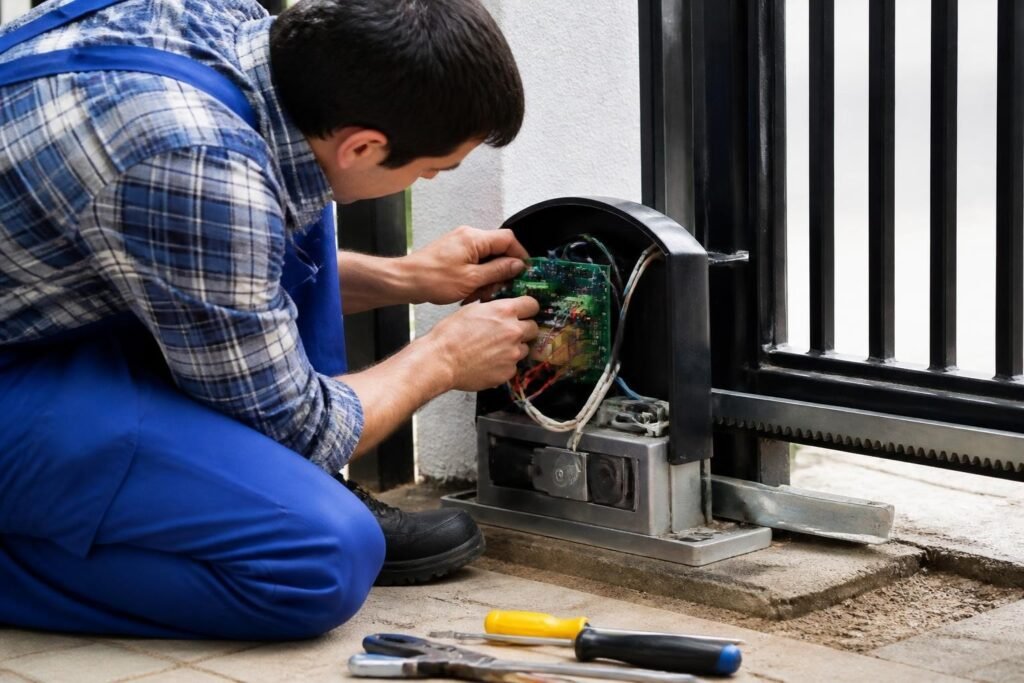
When your automatic gate stops responding or moves erratically, the motor is often the culprit. Auto gate motor repair requires a combination of diagnostic skills, electrical knowledge, and mechanical understanding to restore smooth operation. Whether you're experiencing complete failure, intermittent operation, or unusual noises, understanding the fundamentals of gate motor systems helps you make informed decisions about repairs, maintenance, and when to seek professional assistance. This comprehensive guide walks through everything property owners need to know about troubleshooting, repairing, and maintaining automatic gate motors.
Understanding Auto Gate Motor Systems
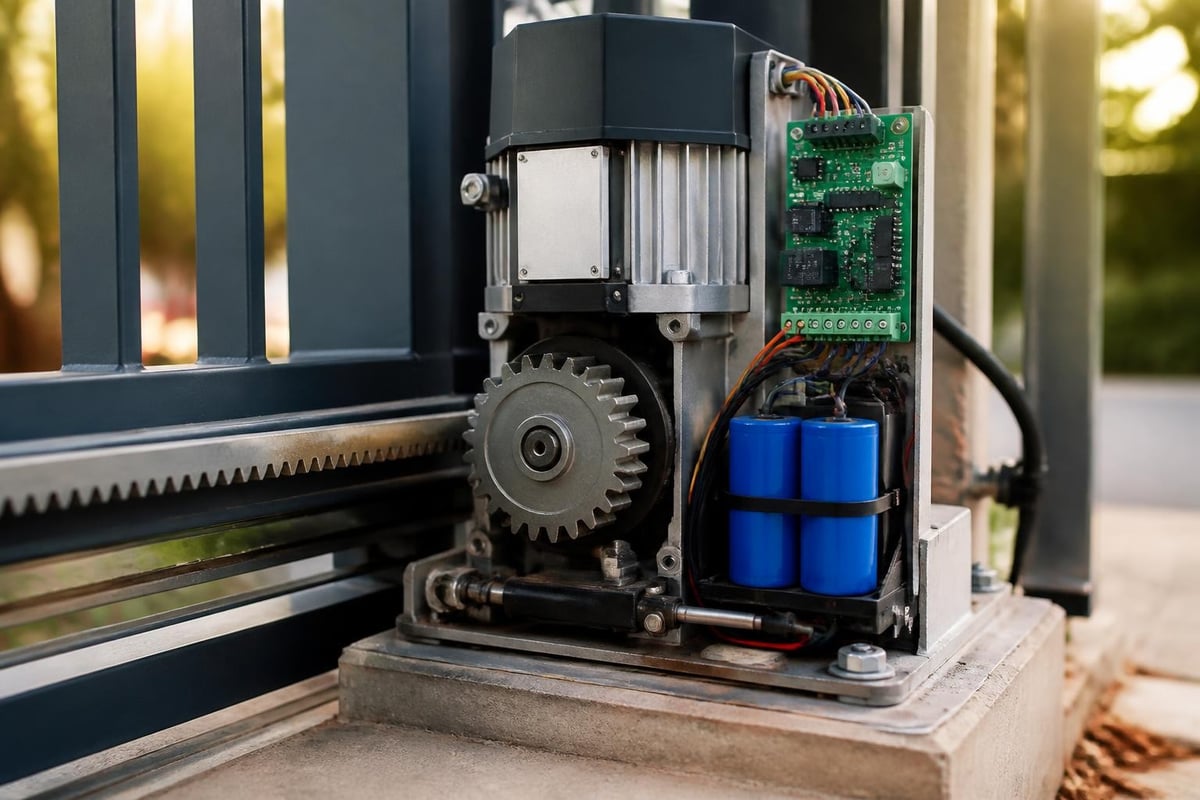
Modern automatic gates rely on sophisticated motor assemblies that combine electrical components, mechanical gears, and electronic controls. The motor itself typically operates on either 120V or 24V power, depending on the manufacturer and application. Commercial installations often use heavier-duty motors with higher torque ratings, while residential systems prioritize quieter operation and energy efficiency.
Gate motors fall into several categories based on their mounting and operation method. Swing gate operators use articulating arms or hydraulic pistons to pull or push gates open, while sliding gate motors use a rack-and-pinion system to move gates horizontally along a track. Each type presents unique repair challenges and requires specific diagnostic approaches.
Common Motor Components That Require Repair
The motor assembly consists of multiple parts that work together to provide reliable operation:
- Electric motor (AC or DC depending on system)
- Gear reduction box that converts motor speed to usable torque
- Limit switches that define travel endpoints
- Capacitors that provide starting current for AC motors
- Control board managing operation logic and safety features
- Thermal overload protection preventing damage from overheating
Understanding how these components interact helps pinpoint the exact source of problems during auto gate motor repair procedures.
Diagnosing Motor Problems
Accurate diagnosis is the foundation of effective auto gate motor repair. Start by observing the gate's behavior when you activate it. Does the motor hum but not turn? Does it run briefly then stop? Does nothing happen at all? Each symptom points to different potential causes.
| Symptom | Likely Causes | Initial Tests |
|---|---|---|
| Motor hums, no movement | Seized gears, failed capacitor, mechanical obstruction | Check for physical obstructions, test capacitor voltage |
| No sound or movement | Power failure, blown fuse, faulty control board | Verify power supply, check circuit breakers, test voltage at motor |
| Intermittent operation | Loose connections, failing limit switches, overheating | Inspect wire connections, test under load, check thermal cutoff |
| Runs backward or wrong direction | Reversed wiring, control board failure | Verify wiring diagram, test control outputs |
Begin with the simplest explanations before moving to complex diagnostics. Check that the gate receives power by testing voltage at the motor terminals with a multimeter. For installations covered under UL 325 safety standards, verify that safety sensors and emergency stop functions work correctly, as these can prevent operation when triggered.
Testing Electrical Components
Electrical testing requires proper tools and safety precautions. Always disconnect power before working on motor components. Use a multimeter to test continuity in motor windings, checking for open circuits or shorts to ground. A healthy motor shows consistent resistance across windings, typically between 3-20 ohms depending on motor size.
Capacitors commonly fail in gate motor systems and cause motors to hum without turning. Test capacitors using a capacitance meter or by observing voltage discharge when removed from the circuit. A failing capacitor may show bulging, leaking, or significantly reduced capacitance compared to its rated value.
The control board regulates all motor functions and processes input from remote controls, keypads, and safety sensors. When boards fail, symptoms range from complete non-operation to erratic behavior. Testing boards requires checking input and output voltages according to manufacturer specifications, which vary widely between brands.
Common Auto Gate Motor Repair Procedures
Once you've identified the problem, repair procedures vary based on the component requiring attention. Some repairs homeowners can tackle, while others demand professional expertise and specialized tools.
Motor Replacement and Rebuild
Complete motor failure sometimes necessitates replacement, but rebuild options exist for many motors. Professional auto gate motor repair services can rewind motor coils, replace bearings, and refurbish gear boxes at a fraction of replacement cost. However, for residential applications, replacement often proves more economical given modern motor prices and the labor involved in rebuilds.
When selecting a replacement motor, match the original specifications exactly:
- Voltage rating (120V AC, 240V AC, or 24V DC)
- Torque output measured in foot-pounds or Newton-meters
- Speed rating in RPMs before gear reduction
- Mounting configuration and physical dimensions
- Duty cycle (continuous or intermittent operation)
The Department of Energy provides guidance on motor systems that helps optimize efficiency when selecting replacement motors, particularly for commercial installations where operating costs matter.
Gear Box Service and Repair
Gear reduction boxes transform high-speed, low-torque motor output into the slow, powerful motion needed to move heavy gates. These assemblies suffer wear from continuous operation, exposure to weather, and inadequate lubrication. During auto gate motor repair, inspect gears for:
- Worn or chipped teeth
- Excessive backlash indicating wear
- Contaminated or insufficient lubricant
- Corroded shafts or bearings
- Loose mounting hardware
Clean gear boxes thoroughly before adding fresh lubricant. Use manufacturer-specified grease types, as mixing incompatible lubricants causes breakdown and accelerated wear. Most gate motor gear boxes use lithium-based or synthetic greases rated for extreme pressure and temperature variations. For a broader look at how an automatic gate motor works, failure causes, and lifespan, see our Los Angeles homeowner guide.
Control Board Troubleshooting and Repair
Modern gate motors rely heavily on electronic control boards that manage operation sequences, process sensor inputs, and protect motors from damage. These boards represent the most complex component in auto gate motor repair.
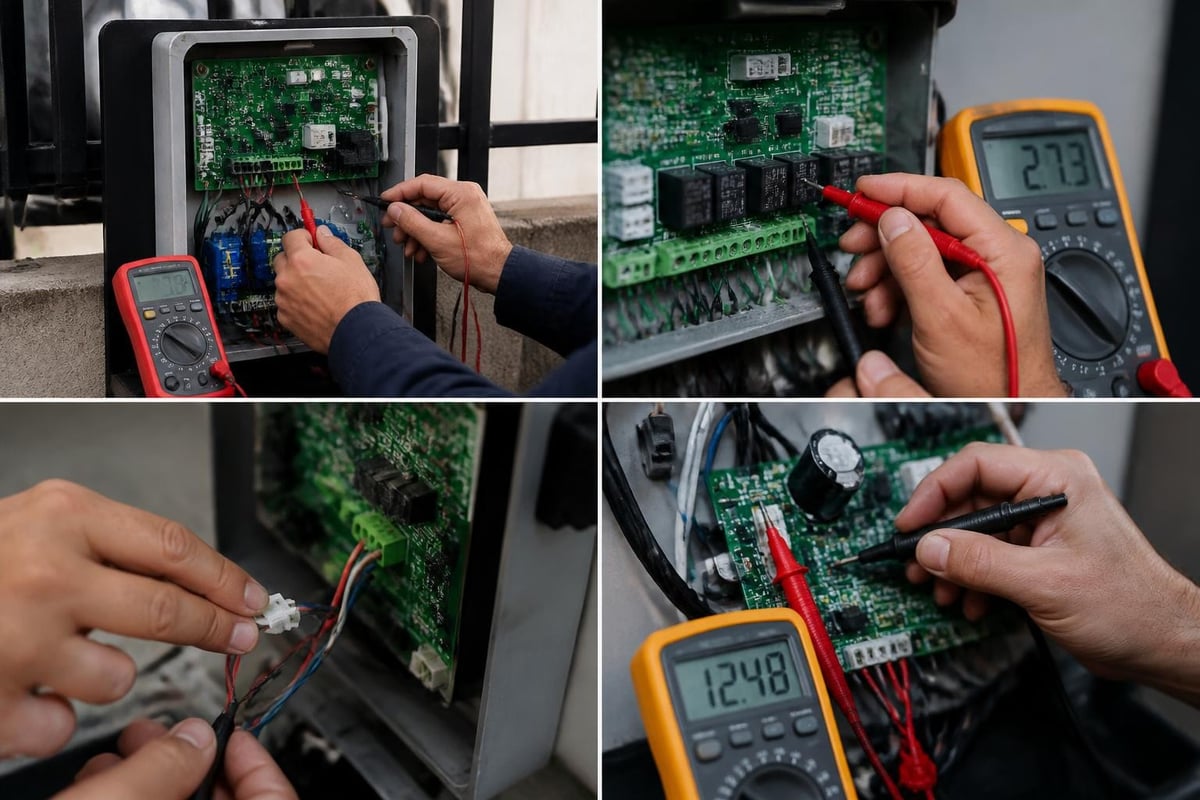
Control boards fail for numerous reasons including power surges, moisture intrusion, component aging, and manufacturing defects. Visual inspection often reveals obvious problems like burnt components, swollen capacitors, or corrosion on circuit traces. More subtle failures require systematic voltage testing.
Testing Control Board Inputs and Outputs
Begin testing by verifying proper power supply voltage reaches the board. Most boards have LED indicators showing power status and operational modes. Reference the manufacturer's manual to interpret LED patterns, as these often indicate specific fault conditions.
Test relay outputs that control motor direction, safety devices, and auxiliary features. A multimeter set to continuity mode confirms relay operation when you manually trigger them using remote controls or push buttons. Failed relays click without making electrical contact, or fail to trigger at all.
For installations requiring compliance with National Electrical Code standards, ensure all wiring maintains proper grounding and circuit protection. Inadequate grounding contributes to control board failures through static discharge and lightning-induced surges.
Safety Feature Maintenance During Motor Repair
Safety systems integrated with gate motors require careful attention during any repair work. Photo-eye sensors, pressure-sensitive edge switches, and emergency stop buttons prevent accidents but can also cause operational problems when they malfunction. Professional electric gate repair services always verify safety feature operation after completing motor repairs.
The Consumer Product Safety Commission has established guidelines for gate safety that address entrapment risks and require specific force limits for automatic gates. During auto gate motor repair, test that force settings comply with these standards to prevent injuries.
Photo-Eye Sensor Alignment and Testing
Misaligned photo-eye sensors cause gates to reverse or refuse to close, mimicking motor problems. Clean sensor lenses regularly and verify proper alignment by checking indicator lights. Most sensors have LEDs showing transmission and reception status. If sensors face direct sunlight during certain times of day, they may malfunction due to interference.
Test sensor response by breaking the beam while the gate operates. The gate should immediately stop and reverse. Delayed response or failure to reverse indicates sensor problems or control board issues requiring further diagnosis.
Preventive Maintenance to Extend Motor Life
Regular maintenance dramatically reduces the frequency and severity of auto gate motor repair needs. Establishing a quarterly inspection schedule catches problems before they cause complete failures.
| Maintenance Task | Frequency | Purpose |
|---|---|---|
| Lubricate moving parts | Every 3 months | Reduce friction and wear |
| Check and tighten electrical connections | Every 6 months | Prevent arcing and resistance heating |
| Test safety features | Monthly | Ensure compliance and prevent accidents |
| Clean motor housing and vents | Every 3 months | Prevent overheating |
| Inspect and adjust chain/belt tension | Every 6 months | Reduce motor strain |
The DASMA maintenance guide provides comprehensive checklists for gate operator maintenance that professional technicians follow during service calls. Following these guidelines maintains warranty coverage and extends equipment lifespan.
Seasonal Considerations for Los Angeles Gates
Los Angeles' Mediterranean climate presents specific challenges for gate motors. While freezing isn't a concern, extreme heat, seasonal winds, and occasional heavy rain affect motor performance. Summer temperatures cause thermal overload trips in undersized motors, while winter rains expose weaknesses in weather sealing.
During hot months, ensure motor ventilation remains unobstructed and consider upgrading to motors with higher duty cycles if your gate sees heavy use. During rainy seasons, check that motor housings properly drain water and that electrical connections remain dry and sealed.
When to Call Professional Repair Services
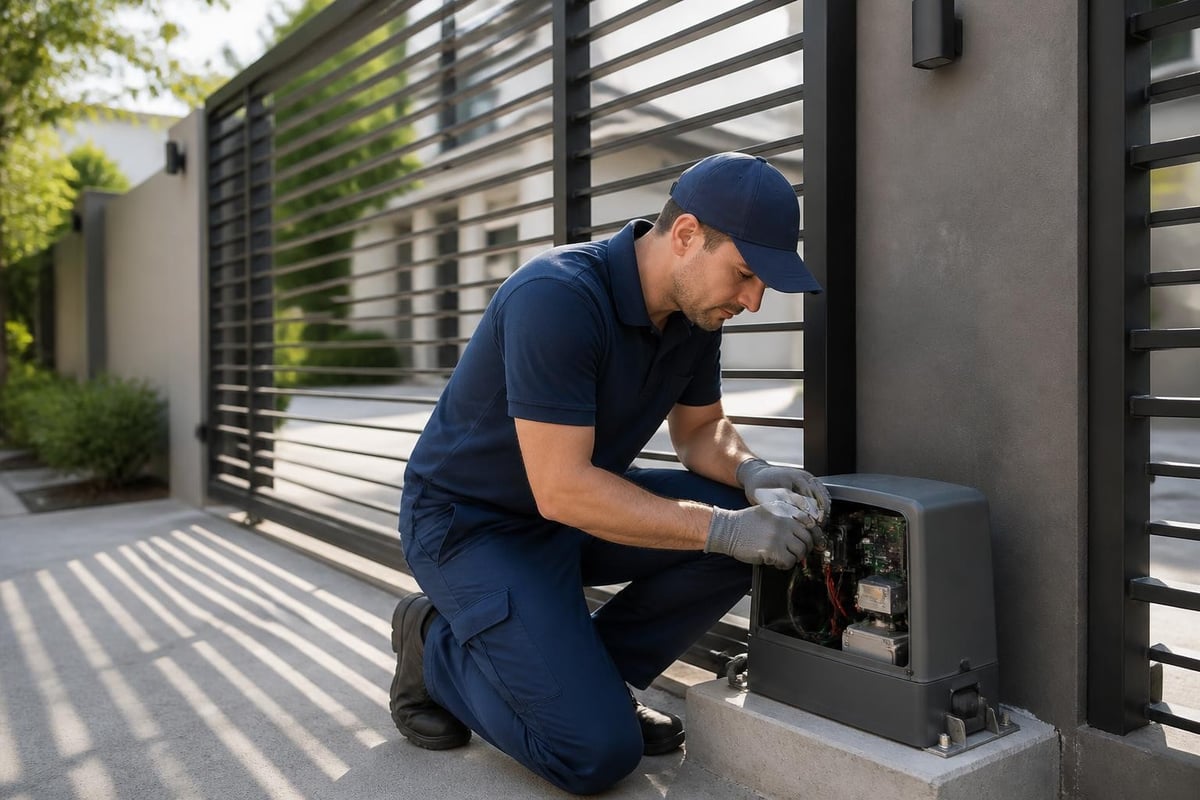
While some auto gate motor repair tasks suit DIY approaches, many situations require professional expertise. Complex electrical diagnostics, motor replacement on heavy commercial gates, and repairs involving buried wiring or structural modifications exceed most homeowners' capabilities and tools.
Professional technicians bring specialized equipment including oscilloscopes for board diagnosis, torque meters for motor testing, and manufacturer-specific programming tools for control boards. They also carry extensive parts inventories enabling same-day repairs for common failures.
Consider professional services when you encounter:
- Electrical problems beyond basic testing and wire repair
- Motor replacement on gates exceeding 500 pounds
- Control board programming and configuration
- Structural damage affecting motor mounting
- Repeated failures indicating underlying system problems
Understanding motorized gate costs helps budget appropriately for repairs versus replacement decisions. Sometimes extensive auto gate motor repair costs approach replacement system prices, making new installation the smarter choice.
Sourcing Quality Replacement Parts
Parts quality significantly impacts repair longevity and system reliability. While aftermarket components cost less than OEM parts, they often lack the engineering precision and durability of original equipment. This particularly applies to motors, control boards, and gear assemblies where manufacturing tolerances affect performance.
OEM parts guarantee compatibility and typically include warranties, while aftermarket alternatives may require adaptation or produce subpar results. For critical safety components like emergency releases and sensor systems, always use manufacturer-approved parts meeting applicable safety standards.
Parts Compatibility and Specification Matching
Gate motor manufacturers use proprietary mounting patterns, shaft sizes, and electrical connections making cross-compatibility challenging. When replacing motors or major assemblies, verify specifications match exactly. Key specifications include:
- Physical dimensions and mounting hole patterns
- Shaft diameter and length
- Electrical voltage and current draw
- Torque and speed ratings
- Limit switch and sensor mounting provisions
Consult manufacturer documentation or professional repair services to ensure compatibility. Installing incompatible parts voids warranties and creates safety hazards. Those looking for gate motor installation services can often get expert guidance on parts selection during consultations.
Advanced Diagnostic Tools and Techniques
Professional-grade auto gate motor repair employs sophisticated diagnostic equipment beyond basic multimeters. These tools enable precise troubleshooting and quality verification after repairs.
Oscilloscopes display electrical waveforms showing power quality issues, control signal problems, and noise interference affecting operation. Clean square waves indicate proper control signals, while distorted waveforms point to electrical interference or failing components.
Thermal imaging cameras reveal hot spots indicating excessive resistance in connections, failing motor windings, or overloaded gear boxes. These non-contact measurements identify problems invisible to visual inspection.
Clamp-on ammeters measure current draw without breaking circuits, helping diagnose motors drawing excessive current due to mechanical binding or electrical problems. Comparing actual draw against nameplate ratings quickly identifies motor problems.
For properties requiring driveway gate repair near me searches, professional services equipped with these diagnostic tools provide faster, more accurate repairs than trial-and-error parts replacement approaches.
Code Compliance and Permit Considerations
Auto gate motor repair sometimes requires permits depending on the scope of work and local jurisdiction requirements. Simple component replacement rarely needs permits, but motor upgrades, electrical service changes, or structural modifications typically do.
Building code provisions for gate operators from the International Code Council affect installation and major repairs. These codes address electrical safety, emergency access, and fire department override systems for gated properties.
Working without required permits creates liability issues and complicates property sales. Permitted work includes inspection by qualified inspectors verifying code compliance and safe installation. Professional repair services handle permitting as part of comprehensive repair projects.
Remote Control and Access System Integration
Modern gate motors integrate with sophisticated access control systems including smartphone apps, intercoms, and vehicle detection loops. Auto gate motor repair must consider these integrated systems to restore full functionality.
When replacing control boards or motors, verify compatibility with existing remote control gates and access systems. Some proprietary systems require specific control boards that communicate using unique protocols. Substituting incompatible components breaks integration even if basic motor operation works.
During repairs, document all programming settings before replacing control boards. Many boards lose stored codes and settings when disconnected from power. Recording remote control codes, timer settings, and access restrictions prevents reprogramming headaches after installation.
Environmental Protection and Weatherproofing
Gate motor longevity depends heavily on environmental protection. Los Angeles' generally mild climate still exposes motors to damaging conditions including UV radiation, airborne dust, and occasional heavy rain.
Inspect motor housings for cracked seals, missing covers, and improper drainage. Water intrusion causes control board corrosion and motor winding failures. Even small cracks in housing seals allow moisture penetration during pressure washing or rain storms.
Apply dielectric grease to electrical connections preventing corrosion in humid conditions. Spray electrical contact cleaner on corroded terminals before applying fresh grease. These simple preventive measures during auto gate motor repair extend the time between service calls dramatically.
Understanding auto gate motor repair fundamentals helps property owners make informed decisions about maintenance, troubleshooting, and professional service needs. Regular inspections, proper preventive maintenance, and early attention to minor problems prevent costly emergency repairs and extend equipment life. When repairs exceed your capabilities or comfort level, Gates On Site provides expert residential and commercial gate repair throughout Los Angeles, with same-day service and no extra charge for emergency calls. Our experienced technicians diagnose problems accurately and carry comprehensive parts inventories to complete most repairs on the first visit.