
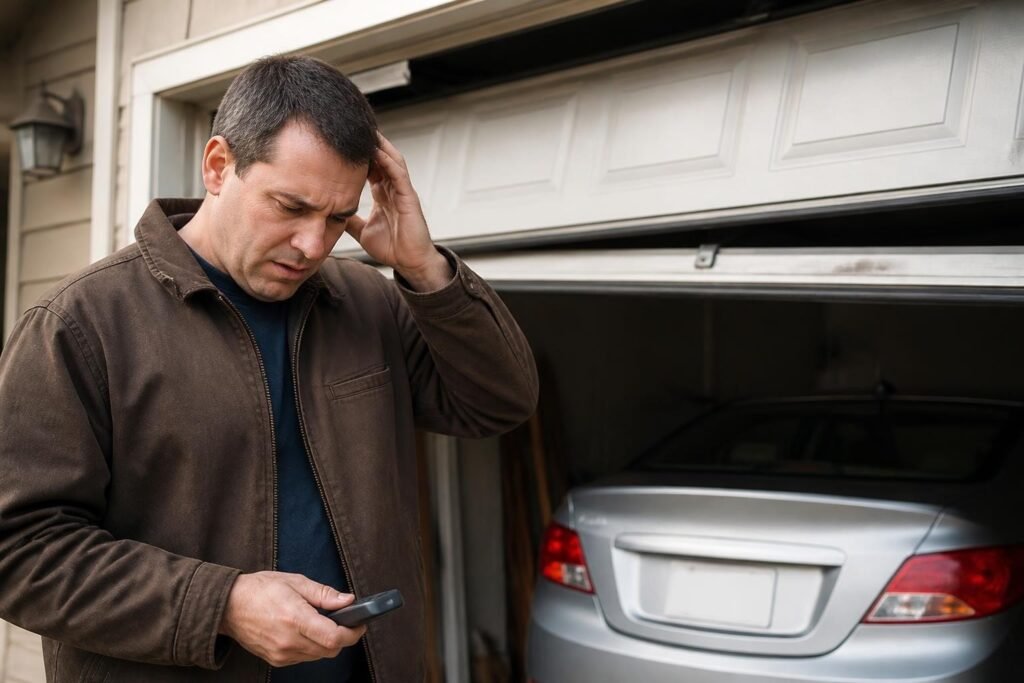
A broken garage door creates immediate frustration and inconvenience for homeowners and business owners alike. Whether your door refuses to budge when you're running late for work or it suddenly stops halfway through closing, these malfunctions demand quick attention. Understanding the common causes, safety risks, and repair options helps you make informed decisions about fixing the problem efficiently. This guide walks you through the most frequent issues, diagnostic steps, and when professional intervention becomes necessary.
Understanding Common Garage Door Failures
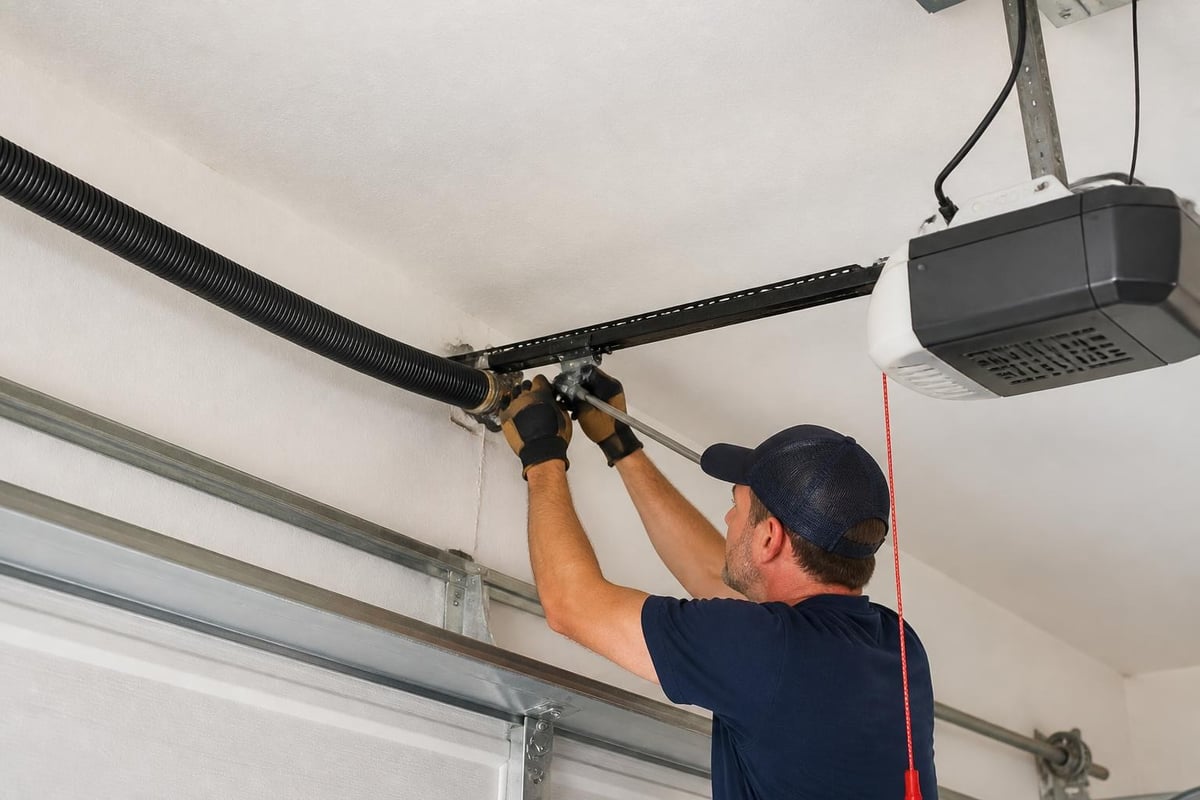
Garage doors are complex mechanical systems that combine springs, cables, tracks, rollers, motors, and electronic sensors. Each component plays a critical role, and failure in any single part can render the entire system inoperable. The good news is that most broken garage door issues fall into predictable categories that technicians see repeatedly.
Spring failures top the list of common problems. Torsion springs and extension springs balance the door's weight, doing the heavy lifting so the opener motor doesn't have to. These springs operate under tremendous tension and typically last 7,000 to 10,000 cycles-roughly 7 to 10 years for average households. When a spring breaks, you'll often hear a loud bang, and the door becomes extremely heavy or won't lift at all. Replacing door springs is dangerous work that should always be left to professionals due to the extreme forces involved.
Track misalignment represents another frequent culprit. If your door shakes, jerks, or stops partway, the rollers may have jumped the track or the track itself has bent or loosened from the wall. Metal fatigue, impact damage, or missing bolts typically cause these issues.
Sensor and Opener Malfunctions
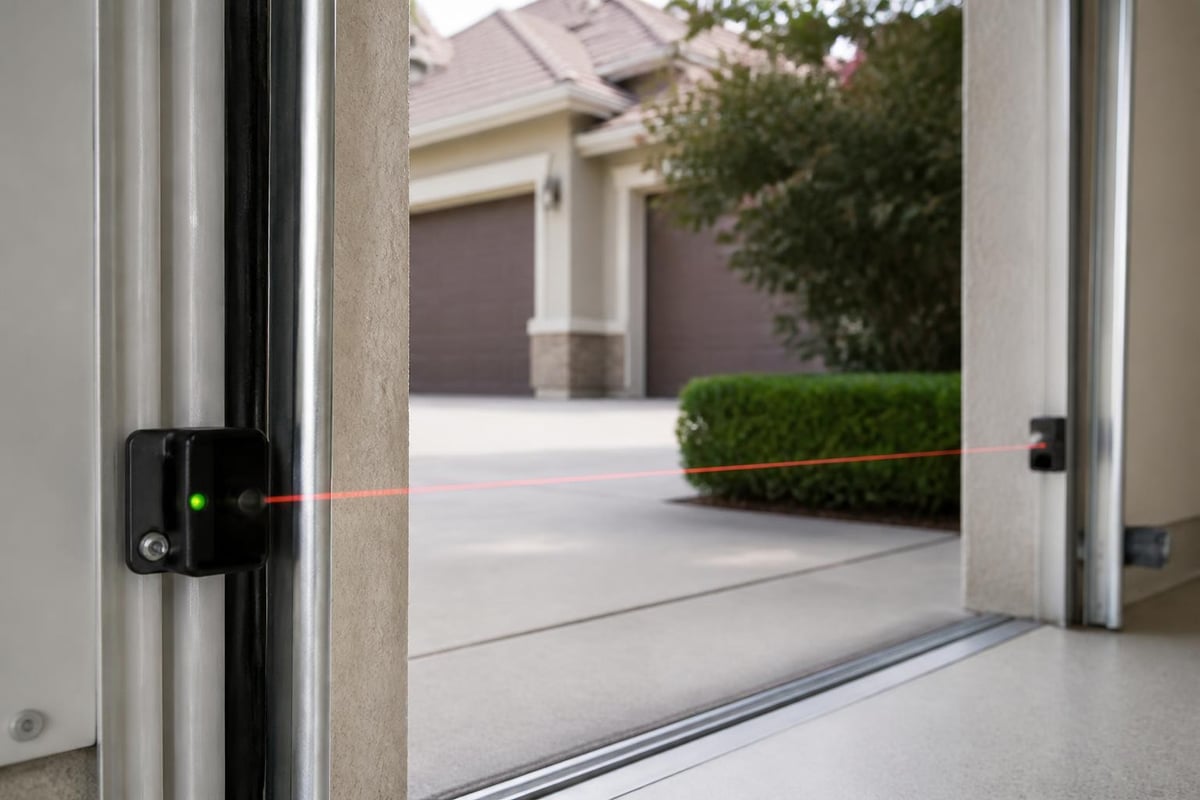
Modern garage door systems rely on safety sensors positioned near the floor on either side of the opening. These photo-eye sensors create an invisible beam that reverses the door if anything interrupts it during closing. Misaligned sensors, dirty lenses, or wiring problems frequently cause a broken garage door scenario where the door refuses to close or reverses immediately.
Opener issues can manifest in several ways:
- Motor hums but door doesn't move (usually a stripped gear or broken chain)
- Door opens but won't close (sensor, limit switch, or force adjustment problem)
- Remote works intermittently (battery, signal interference, or circuit board failure)
- Loud grinding or clicking noises (worn gears, loose chain, or motor bearing failure)
The travel and force limits on your opener tell the motor how far to move and how much resistance is normal. When these settings drift out of calibration, the door may stop short of fully opening or closing, or the motor may strain unnecessarily.
| Symptom | Likely Cause | Urgency Level |
|---|---|---|
| Door won't budge | Broken spring, locked track | Immediate |
| Door reverses when closing | Sensor misalignment, obstruction | Same day |
| Loud grinding noise | Worn rollers, loose hardware | Within days |
| Slow or jerky movement | Lack of lubrication, track debris | Within week |
| Remote not working | Dead battery, range issue | Low |
Safety Considerations You Cannot Ignore
A broken garage door poses significant safety hazards beyond mere inconvenience. Garage doors are the largest moving object in most homes, often weighing 200 to 400 pounds. When the spring system fails, this massive weight becomes uncontrolled and dangerous.
Federal safety standards exist specifically to prevent garage door injuries and fatalities. The Consumer Product Safety Commission regulations mandate automatic reversal systems on all garage door openers manufactured since 1993. These rules require doors to reverse within two seconds of contacting an obstruction, protecting children, pets, and vehicles from entrapment.
Never attempt to force open a broken garage door manually without first disconnecting the opener. The emergency release cord (typically red) disengages the trolley from the chain or belt, allowing manual operation. However, if a spring has broken, the door will be extremely heavy and may crash down unexpectedly when released.
Attempting spring replacement yourself ranks among the most dangerous DIY projects. Torsion springs store enormous energy-equivalent to hundreds of pounds of force. When these springs are improperly handled during removal or installation, they can cause severe injuries including broken bones, lacerations, or worse. Professional technicians use specialized tools and follow strict safety protocols that homeowners simply don't have access to.
Troubleshooting Steps Before Calling for Help
Before scheduling professional service, you can perform several basic diagnostic checks that might resolve simpler problems or help you provide better information to your repair technician.
Visual Inspection Checklist
Start with a thorough visual examination of the entire system:
- Check the tracks for visible bends, gaps, or debris
- Inspect all cables for fraying, slack, or disconnection
- Look at the springs for breaks, gaps, or separation
- Examine rollers for wear, cracks, or binding
- Test manual operation using the emergency release
Walk through the troubleshooting steps methodically, documenting what you find. This information proves invaluable when you contact a repair service.
Sensor Alignment and Cleaning
If your door won't close and the opener light blinks, sensor issues are the likely culprit. Each sensor has a small LED indicator light-usually green when aligned correctly. Gently adjust the sensor brackets until both lights show solid, not blinking. Wipe the lenses clean with a soft cloth, removing dust, spider webs, or moisture that might block the beam.
Sunlight can overwhelm the sensors in late afternoon if they face west. Try closing the door with the lights off or shading the sensors with your hand to test if direct sunlight is causing false obstruction signals.
Remote and wall button testing helps isolate whether the problem lies with the remote transmitter or the opener unit itself. If the wall button works but remotes don't, you're looking at a battery or signal issue. If neither works, the opener circuit board may have failed. For residential properties dealing with persistent access issues, the principles mirror those discussed in our guide to automatic gate repair, where opener diagnostics follow similar logic.
Preventive Maintenance to Avoid Future Failures
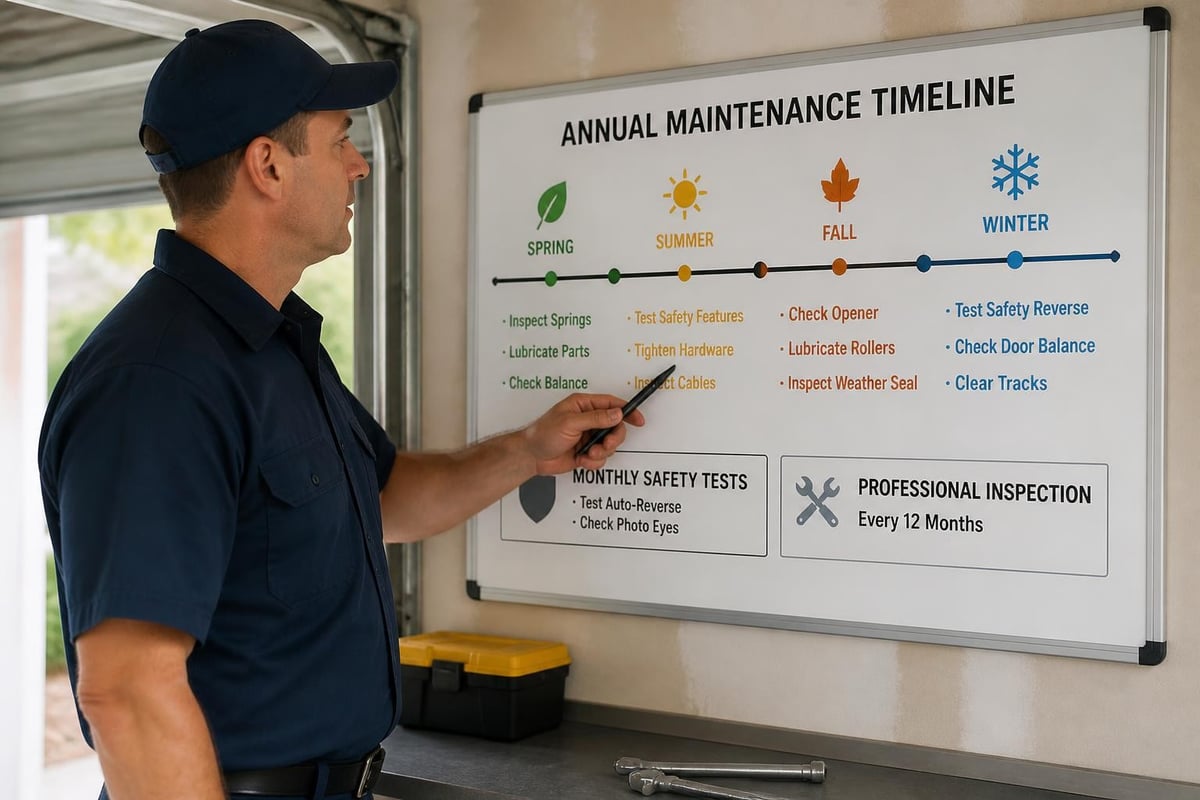
Regular maintenance dramatically reduces the likelihood of experiencing a broken garage door emergency. Most manufacturers recommend a twice-yearly service schedule, ideally in spring and fall, to keep systems running smoothly.
Lubrication and Hardware Inspection
Apply lithium-based garage door lubricant to all moving parts every six months:
- Hinges between door sections
- Roller stems and bearings
- Torsion spring (if accessible)
- Track surfaces (light coating only)
- Lock mechanism and latches
Avoid using WD-40 or penetrating oils, which attract dust and gum up over time. The proper maintenance procedures keep components moving freely and extend their service life.
Hardware tightening should accompany each lubrication session. Garage doors cycle thousands of times annually, causing bolts and screws to gradually loosen. Check and tighten all roller brackets, track mounting bolts, and hinge hardware. Don't overtighten-snug is sufficient.
| Maintenance Task | Frequency | Tools Needed | Estimated Time |
|---|---|---|---|
| Lubricate moving parts | Every 6 months | Lithium spray | 15 minutes |
| Tighten hardware | Every 6 months | Socket wrench set | 20 minutes |
| Test safety reversal | Monthly | Obstruction object | 2 minutes |
| Clean/align sensors | Quarterly | Soft cloth | 5 minutes |
| Professional inspection | Annually | None | 45-60 minutes |
Balance Testing and Spring Inspection
Test your door's balance by disconnecting the opener and manually lifting the door halfway. A properly balanced door should stay in place when released. If it falls or rises, the springs need adjustment-a job for professionals only.
Inspect springs visually for signs of wear, rust, or separation between coils. Springs typically show warning signs before complete failure, including small gaps between coils or visible rust accumulation. Addressing these signs proactively prevents the inconvenience of a sudden broken garage door situation. Just as regular inspections help maintain gate safety features, consistent garage door monitoring prevents unexpected failures.
When Professional Repair Becomes Essential
Certain broken garage door scenarios demand immediate professional attention. Knowing when to stop troubleshooting and call an expert prevents injury, further damage, and wasted time.
Spring and Cable Replacement
Any issue involving springs or cables requires professional service without exception. These high-tension components store lethal amounts of energy. Even if you locate replacement parts and instructional videos, the specialized tools and training needed to safely wind or unwind torsion springs aren't available to homeowners.
Cable replacement carries similar risks. Lift cables run from the bottom bracket over pulleys to the spring assembly, bearing the door's full weight. A frayed or broken cable can cause the door to fall suddenly or hang crooked, damaging panels, tracks, and vehicles below.
Professional technicians arrive with fully stocked service vehicles containing the correct spring sizes, cable lengths, and specialty tools. They measure spring wire diameter, inside diameter, and length precisely to ensure proper replacement. Guessing on spring specifications leads to poor performance or premature failure.
Motor and Opener Replacement
When opener motors fail completely, replacement often makes more financial sense than repair, especially for units over 10 years old. Modern openers offer significantly improved features including smartphone connectivity, battery backup, and enhanced safety mechanisms that meet current UL 325 safety standards.
Gates On Site provides overhead garage door repair services throughout Los Angeles, combining same-day response with over 20 years of experience fixing all major brands and models. Their technicians carry comprehensive parts inventories, enabling most repairs to be completed in a single visit.
Panel Damage and Track Repair Complexities
Dented or damaged door panels create more than cosmetic concerns. Bent panels stress rollers, throw tracks out of alignment, and cause the door to bind during operation. Individual panel replacement is possible on sectional doors, but matching discontinued colors and styles can prove challenging for older installations.
Track straightening and replacement requires precision alignment tools and expertise. Tracks must run perfectly parallel and plumb, with exact spacing maintained along their entire length. Even small deviations cause excessive roller wear and motor strain.
If you're dealing with tracks that have pulled away from the wall or suffered impact damage, professional assessment determines whether repair or replacement provides the better long-term solution. Track work often reveals underlying structural issues with framing or foundation settling that must be addressed for lasting results.
Emergency Situations Requiring Immediate Response
Some broken garage door emergencies cannot wait for regular business hours:
- Door stuck open during severe weather or security concerns
- Vehicle trapped inside or blocked from urgent departure
- Complete spring failure with door threatening to fall
- Opener creating fire risk (burning smell, sparking)
- Door off tracks with panels severely damaged
Emergency services address these critical situations promptly. Reputable companies like Gates On Site offer 24/7 emergency response at no additional charge, recognizing that garage door failures don't respect business hours.
Smart Upgrades While Repairing Your Broken Garage Door
When addressing a broken garage door, consider implementing modern upgrades that enhance safety, convenience, and security. Repair appointments provide the perfect opportunity to modernize older systems without requiring separate service calls.
Battery Backup Systems
Power outages leave garage doors inoperable at the worst possible times. Battery backup systems keep openers functional during blackouts, ensuring you can enter or exit regardless of electrical service. These systems are particularly valuable in areas prone to storms or rolling blackouts.
Modern battery backups recharge automatically when power is restored and typically provide 20-50 operation cycles per charge. Installation takes minimal time when performed alongside other repairs.
Smartphone and Wi-Fi Connectivity
Connected garage door openers integrate with smartphones, allowing you to monitor door status, receive opening/closing notifications, and grant temporary access to delivery drivers or service providers. These systems eliminate the old question, "Did I remember to close the garage door?"
Most Wi-Fi-enabled openers work with home automation platforms including Amazon Alexa, Google Home, and Apple HomeKit. Voice commands and automated schedules add convenience layers that traditional systems cannot match.
Cost Factors in Broken Garage Door Repairs
Understanding typical repair costs helps you budget appropriately and evaluate quotes from service providers. Prices vary based on parts, labor complexity, and regional market conditions, but general ranges provide useful guidelines.
Spring replacement typically costs $150 to $350 depending on door size and spring type. Torsion springs require more expertise than extension springs and usually command higher labor charges. Two-car garage doors often use two torsion springs, doubling parts costs.
Opener replacement ranges from $250 to $600 installed, with budget models at the lower end and feature-rich units pushing higher. Professional installation ensures proper mounting, programming, and safety testing that DIY installations often miss.
| Repair Type | Parts Cost | Labor Cost | Total Range |
|---|---|---|---|
| Spring replacement (single) | $30-$60 | $120-$200 | $150-$260 |
| Cable replacement (pair) | $20-$40 | $100-$150 | $120-$190 |
| Roller replacement (set) | $50-$100 | $100-$200 | $150-$300 |
| Opener installation | $180-$400 | $70-$150 | $250-$550 |
| Track straightening | $20-$50 | $80-$150 | $100-$200 |
| Panel replacement | $150-$500 | $100-$250 | $250-$750 |
Always request detailed written estimates before authorizing work. Reputable companies provide transparent pricing and explain exactly what's included. Beware of unusually low quotes that may indicate substandard parts or incomplete repairs.
Extended Warranties and Service Agreements
Many professional repair companies offer service agreements or extended warranties on parts and labor. These programs provide peace of mind and can reduce long-term costs if multiple service calls become necessary.
Typical warranties cover parts for one to three years and labor for 30 to 90 days. Premium service agreements may include annual maintenance visits, priority scheduling, and discounted rates on future repairs. Evaluate these options based on your door's age, condition, and your household's reliance on garage access.
Regional Considerations for Los Angeles Homeowners
Los Angeles's climate and building codes create unique considerations for garage door owners. The mild weather extends component life in some ways while creating different challenges in others.
Rust and corrosion affect doors less severely than in humid or coastal environments, but dust and smog accumulation still require regular cleaning. Los Angeles homes often feature garage doors as prominent architectural elements, making panel damage and cosmetic condition more critical than in regions where doors face alleys or side yards.
California's stringent building codes enforce safety requirements beyond federal minimums. Professional installers must pull permits for certain repairs and replacements, ensuring work meets state earthquake standards and accessibility requirements. Working with licensed contractors ensures compliance with these regulations.
Service Response Times in Greater Los Angeles
Traffic congestion and the vast geographic spread of Los Angeles County can impact service response times. Established local companies maintain strategic positioning throughout the region to minimize travel delays. When evaluating repair services, consider their service coverage areas and average response times for your specific neighborhood.
Companies offering same-day service during standard hours provide significant value for broken garage door emergencies that threaten security or block vehicle access. The common troubleshooting guide for doors that won't close can help you describe symptoms accurately when calling for service, enabling technicians to arrive with the right parts.
Selecting the Right Repair Professional
Choosing a qualified garage door repair company requires evaluating several key factors beyond simple price comparison. Your safety, property security, and repair longevity depend on selecting technicians with proper training and business practices.
Licensing and insurance should be non-negotiable requirements. California requires contractors performing work over $500 to hold a valid contractor's license. Verify license status through the Contractors State License Board and confirm the company carries liability insurance and workers' compensation coverage.
Look for companies with:
- Established local presence (5+ years in business)
- Manufacturer certifications for major brands
- Transparent pricing and written estimates
- Positive customer reviews across multiple platforms
- 24/7 emergency availability
- Fully stocked service vehicles
Avoid companies that pressure you for immediate decisions, refuse to provide written estimates, or can't produce insurance certificates upon request. The cheapest option rarely delivers the best long-term value.
Questions to Ask Before Hiring
Prepare specific questions when contacting repair services:
- How long have you been serving the Los Angeles area?
- Do you carry all common parts on your service vehicles?
- What brands and models do you service?
- Do you offer warranties on parts and labor?
- Can you provide references from recent customers?
- What safety certifications do your technicians hold?
Professional companies welcome these questions and provide clear, confident answers. Evasive responses or inability to provide basic business information should raise red flags.
The Long-Term Value of Professional Repairs
While DIY repairs might seem cost-effective initially, professional service often delivers superior long-term value through proper diagnosis, quality parts, and warranty protection. Technicians see hundreds of broken garage door scenarios annually, developing diagnostic skills that prevent misidentification of root causes.
Proper repairs address underlying issues rather than just symptoms. A DIY enthusiast might replace a malfunctioning sensor without realizing misaligned tracks are causing the door to bind, triggering false obstruction signals. A professional immediately recognizes the pattern and corrects both issues.
Quality replacement parts make substantial differences in repair longevity. Professional-grade springs, rollers, and cables typically outlast consumer-grade hardware by significant margins. The modest upcharge for superior parts pays dividends in extended service life.
Safety compliance represents another critical professional advantage. Technicians ensure repairs meet current safety codes, test all automatic reversal systems, and verify proper force settings that prevent entrapment hazards. These details protect your family and may prove essential if insurance claims or property liability issues arise.
A broken garage door disrupts daily routines and compromises property security, making swift, effective repair essential for residential and commercial properties alike. Understanding common failure modes, performing basic troubleshooting, and recognizing when professional intervention is necessary helps you navigate these situations confidently. For same-day garage door repair throughout Los Angeles, Gates On Site delivers over 20 years of expertise with fully stocked vehicles, transparent pricing, and emergency service at no extra charge.