
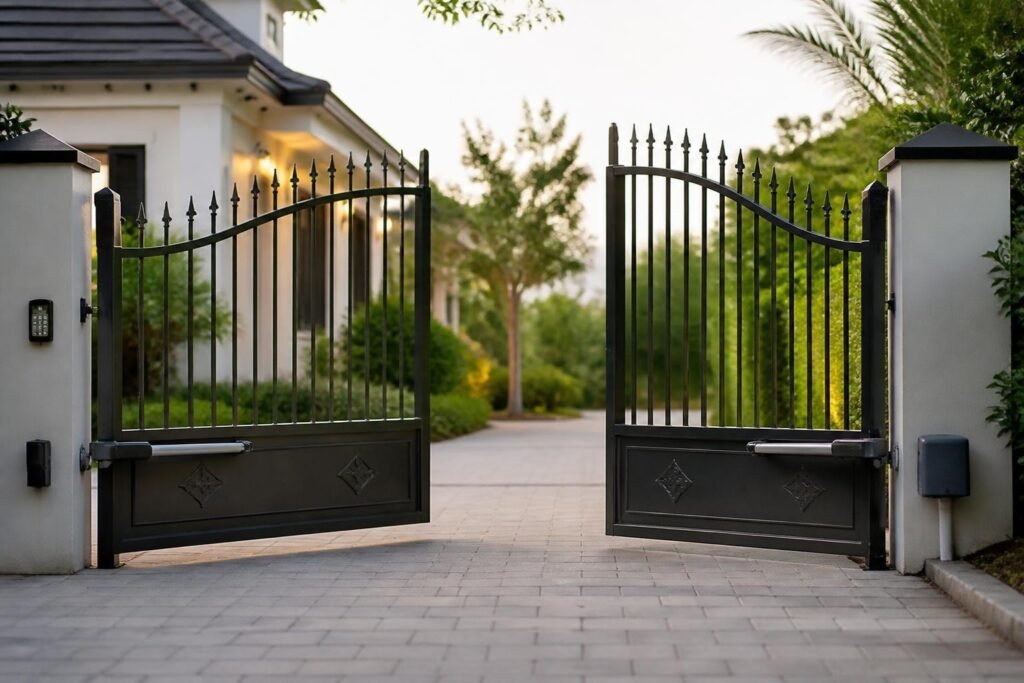
Searching for "electric gate installation near me" reveals hundreds of contractors, but finding the right installer requires more than scrolling through search results. Professional electric gate installation involves complex electrical work, safety compliance, and long-term reliability considerations that separate qualified specialists from general handymen. Whether you're securing a residential driveway or managing commercial property access in Los Angeles, understanding the installation process, costs, and standards ensures you make informed decisions that protect your investment for decades.
Understanding Electric Gate Systems and Components
Electric gates combine mechanical engineering, electrical systems, and access control technology into a single automated entry solution. The core system consists of a gate operator (motor), control board, safety sensors, and access devices working together to open and close your gate reliably.
Primary Gate Operator Types
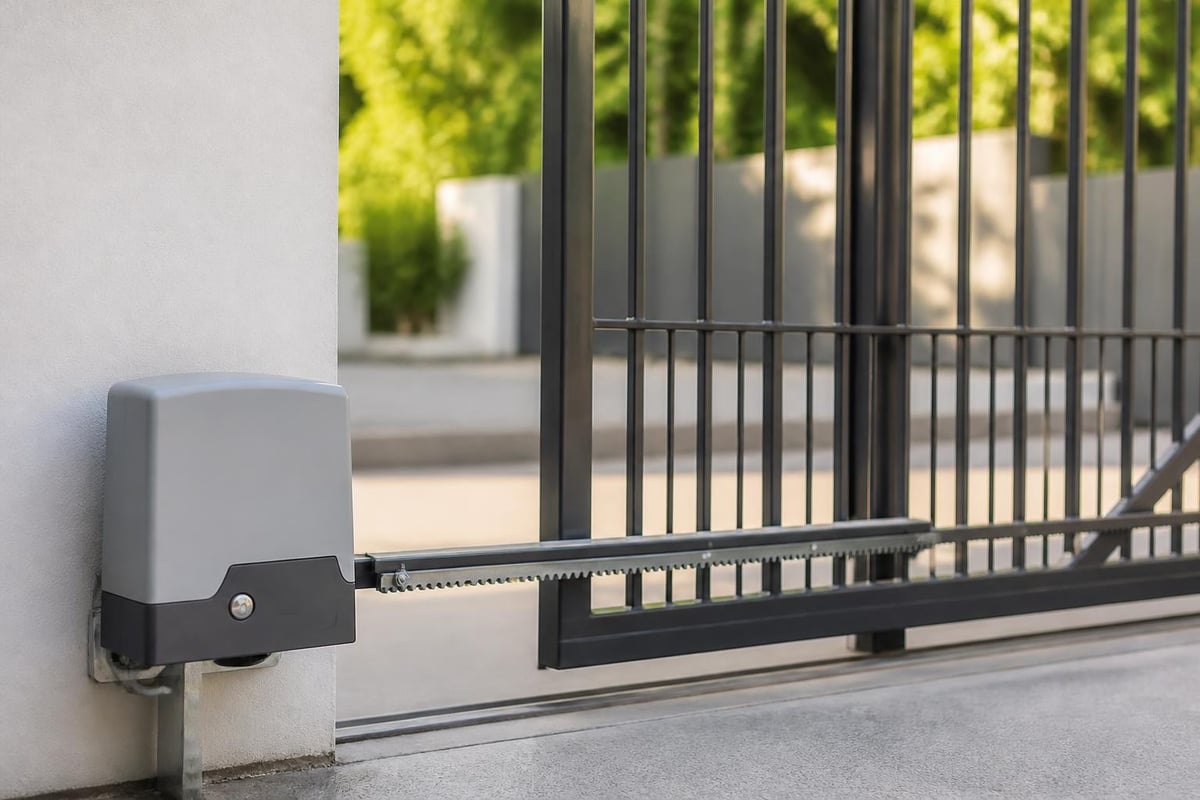
Slide gate operators use a rack-and-pinion or chain-drive system to move gates horizontally along a track. These systems excel in properties with limited driveway depth and can handle gates up to several thousand pounds. The operator mounts to a concrete pad beside the gate opening, requiring proper electrical installation and grounding.
Swing gate operators come in articulated arm, linear, and underground configurations. Articulated arm operators mount to posts and push gates open along an arc. Linear actuators provide a cleaner aesthetic with direct push-pull motion. Underground operators hide completely beneath the gate hinge point, offering maximum curb appeal but requiring extensive excavation and drainage planning.
| Operator Type | Installation Complexity | Typical Cost Range | Best Application |
|---|---|---|---|
| Slide gate (chain) | Moderate | $1,200-$2,500 | Long residential driveways |
| Swing gate (articulated) | Moderate | $1,500-$3,000 | Standard residential entries |
| Swing gate (underground) | High | $3,500-$6,000 | High-end properties |
| Commercial slide | High | $4,000-$10,000+ | Industrial facilities |
Safety and Access Control Integration
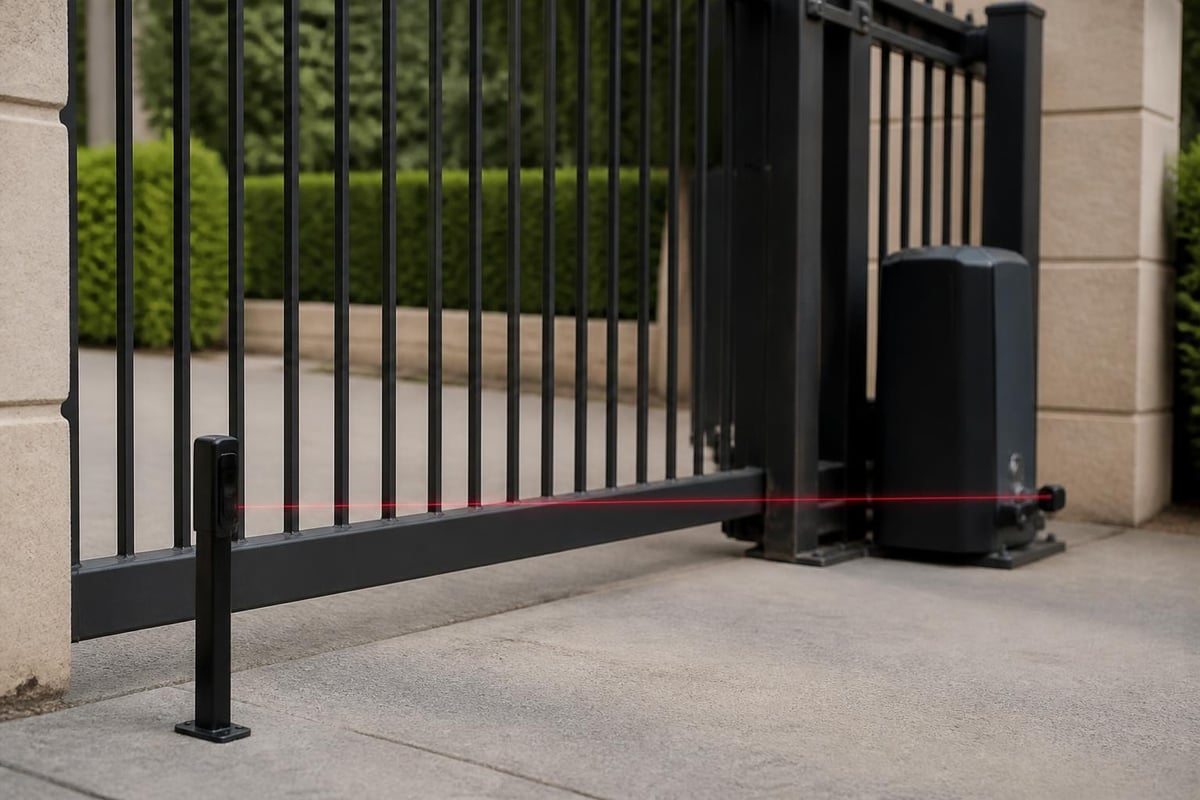
Modern electric gate installation near me searches should lead you to installers familiar with UL 325 safety standards, which mandate specific entrapment protection devices. Photo-eye sensors create invisible beams across the gate path, reversing operation when broken. Edge sensors detect physical contact and immediately stop movement.
Access control options range from simple remote transmitters to sophisticated integration with property management systems:
- Radio frequency remotes (most common residential solution)
- Keypad entry systems with programmable codes
- Smartphone apps with cloud-based control
- Intercom systems with video capability
- Vehicle loop detectors for automatic exit
- Card readers and biometric systems for commercial applications
The Electric Gate Installation Process
Professional installation follows a systematic approach that ensures safety, longevity, and code compliance. Cutting corners during any phase compromises system performance and creates liability risks.
Site Assessment and Planning
Before any equipment arrives, qualified installers conduct thorough site surveys examining electrical service capacity, terrain characteristics, and access patterns. They measure gate weight, wind exposure, and opening frequency to specify appropriate operators.
Critical planning considerations include:
- Distance from electrical panel to gate location
- Soil composition and drainage patterns
- Property line setbacks and easements
- ADA compliance requirements for commercial properties
- Fire department access codes (Knox box requirements)
- Homeowner association architectural guidelines
Los Angeles properties often face unique challenges including seismic considerations for foundation work and local electrical code requirements for outdoor installations. Experienced local installers navigate permit requirements efficiently, avoiding costly delays.
Foundation and Structural Work
Slide gates require concrete pads for operator mounting and track installation. The pad must cure completely (typically 7 days minimum) before mounting equipment. Track must be perfectly level and aligned, as even slight variations cause premature wear and operational issues.
Swing gates need reinforced hinge posts capable of supporting dynamic loads from repeated opening cycles. Post installation depth varies based on gate size, but generally requires burial to 3-4 feet with concrete footings extending below frost line. In Los Angeles's moderate climate, frost isn't a concern, but seismic stability requires proper rebar reinforcement and concrete curing time.
Electrical Installation and Wiring
Licensed electricians should handle all electrical work, running dedicated circuits from your main panel to the gate location. Most residential installations require 120V dedicated circuits, while commercial operators may need 240V service. Proper conduit installation protects wiring from moisture, rodents, and physical damage.
Ground fault circuit interrupter (GFCI) protection is mandatory for outdoor installations. The control board enclosure must meet NEMA ratings for weather resistance appropriate to your climate. Installers should use marine-grade connectors for all sensor and accessory wiring to prevent corrosion.
When researching electric gate installation near me, verify contractors pull proper permits for electrical work. Unpermitted installations create insurance complications and code violations that surface during property sales.
Cost Factors and Budget Planning
Electric gate installation costs vary dramatically based on system complexity, property conditions, and equipment quality. Understanding these variables helps you evaluate quotes accurately and avoid underbidding contractors who cut safety corners.
Equipment and Material Costs
Gate operators themselves range from $600 for basic residential units to $5,000+ for heavy-duty commercial systems. However, the operator represents only 30-40% of total project costs for professional installations.
Additional material costs include:
- Concrete and rebar for foundations ($200-$800)
- Electrical conduit, wire, and panel upgrades ($300-$1,500)
- Safety sensors and entrapment devices ($200-$600)
- Access control devices ($100-$2,000)
- Gate fabrication or modification ($500-$5,000+)
Labor and Installation Costs
Professional labor typically accounts for 40-60% of total project costs. Experienced installers charge $75-$150 per hour in major metropolitan markets like Los Angeles. A straightforward residential swing gate installation requires 8-12 hours of labor, while complex slide gate installations with extensive electrical work can exceed 20 hours.
| Project Type | Equipment Cost | Labor Cost | Total Range |
|---|---|---|---|
| Basic residential swing | $1,200-$1,800 | $800-$1,200 | $2,000-$3,000 |
| Standard residential slide | $1,500-$2,500 | $1,000-$1,500 | $2,500-$4,000 |
| High-end residential (underground) | $3,000-$4,500 | $1,500-$2,500 | $4,500-$7,000 |
| Commercial installation | $4,000-$8,000 | $2,000-$4,000 | $6,000-$12,000+ |
These estimates assume existing gates in good condition. New gate fabrication adds $2,000-$10,000+ depending on size, materials, and design complexity. For comprehensive pricing information, you can review typical motorized gate costs to understand current market rates.
Finding Qualified Installers in Your Area
Not all contractors advertising electric gate installation near me possess equal qualifications. The best installers combine electrical expertise, mechanical knowledge, and commitment to safety standards that protect you from liability.
Essential Qualifications and Credentials
Licensed electrical contractors bring code knowledge and permit-pulling authority that general handymen lack. In California, gate installation involving electrical work requires either a C-10 (electrical) or C-61/D-28 (limited specialty) contractor license. Verify license status through the California Contractors State License Board before signing contracts.
Look for installers who demonstrate:
- Active contractor licenses with good standing
- General liability insurance ($1-2 million minimum)
- Workers compensation coverage
- Manufacturer certifications for major gate operator brands
- Familiarity with ASTM F2200 standards for automated gates
- Understanding of NFPA 731 requirements for security systems integration
Evaluating Quotes and Proposals
Request detailed written proposals specifying exact equipment models, safety devices, and warranty terms. Vague quotes listing "gate operator installation" without brand names or model numbers signal potential bait-and-switch tactics.
Compare proposals on an apples-to-apples basis by ensuring each includes:
- Specific operator brand and model with load capacity
- All required safety sensors and entrapment protection
- Access control devices with quantity and type
- Electrical work scope including permit fees
- Warranty coverage for parts and labor
- Timeline from contract signing to completion
The lowest bid frequently indicates substandard equipment, unlicensed labor, or missing safety components. Mid-range quotes from established local contractors typically deliver better long-term value than bottom-tier pricing.
Questions to Ask Potential Installers
Before committing to any contractor, conduct phone or in-person consultations to assess their expertise and professionalism. Their responses reveal experience level and commitment to quality.
Critical questions include:
- How long have you specialized in automatic gate systems?
- Will you pull electrical permits or is that my responsibility?
- What safety standards do your installations meet?
- Can you provide recent customer references in my area?
- What warranty do you offer on installation labor?
- How do you handle service calls after installation?
- Are your technicians employees or subcontractors?
Companies like Gates On Site that maintain dedicated gate service teams can provide ongoing support after installation, an advantage when future repairs or adjustments become necessary.
Safety Standards and Code Compliance
Electric gate installation near me searches should prioritize installers who understand and implement current safety standards. Gate-related accidents cause serious injuries when safety protocols are ignored during installation.
UL 325 Entrapment Protection Requirements
The UL 325 safety standard classifies gate installations by risk level and mandates corresponding safety devices. Class I (residential) and Class II (commercial) installations require different levels of protection based on access control methods.
Inherent entrapment protection (Type A) relies on operator clutch mechanisms to stop movement upon obstruction. However, most modern installations require external entrapment protection (Type B1 or B2) using photo-eyes, edge sensors, or both. The UK Health & Safety Executive guidance provides practical examples of proper risk assessment and safety device placement.
Installation Best Practices
Following industry-standard installation practices prevents premature failures and safety hazards. The Gate Safe organization publishes comprehensive installer guides covering everything from foundation sizing to commissioning checklists.
Key installation best practices include:
- Maintaining proper safety sensor alignment and testing procedures
- Installing warning signs and labels per UL requirements
- Programming appropriate force settings to prevent crushing injuries
- Creating adequate clearance zones around gate swing paths
- Documenting installation parameters for future service reference
- Conducting thorough commissioning tests before final customer handoff
Professional installers test gates under various conditions, checking reversal response times and force measurements with calibrated equipment. These tests ensure compliance and provide documentation should accidents or insurance questions arise later.
Choosing Between DIY and Professional Installation
Online retailers sell complete gate automation kits tempting property owners to attempt DIY installation. While mechanically inclined individuals can successfully install basic systems, several factors favor professional installation for most situations.
When DIY Makes Sense
Simple swing gate automation on lightweight gates with existing electrical service nearby represents the best DIY scenario. If you possess electrical knowledge, proper tools, and time to research requirements thoroughly, basic residential installations can save $1,000-$2,000 in labor costs.
DIY success requires:
- Understanding of electrical codes and wiring practices
- Ability to pour and finish concrete foundations
- Access to concrete saw, conduit bender, and diagnostic tools
- Time to research operator programming and safety device installation
- Willingness to obtain permits and schedule inspections
Professional Installation Advantages
Experienced installers complete in one day what DIY enthusiasts spend weekends accomplishing. More importantly, professionals carry insurance covering installation errors and possess troubleshooting skills that prevent common mistakes.
Commercial installations should always involve licensed professionals due to complexity, liability concerns, and code requirements. For those searching commercial gate opener solutions, professional installation ensures proper integration with existing security systems and access control infrastructure.
Professional installers also provide warranty coverage on labor, protecting your investment if adjustments or corrections become necessary. Many manufacturers void equipment warranties when non-certified installers perform the work, an often-overlooked consideration in DIY cost comparisons.
Long-Term Maintenance and Support Considerations
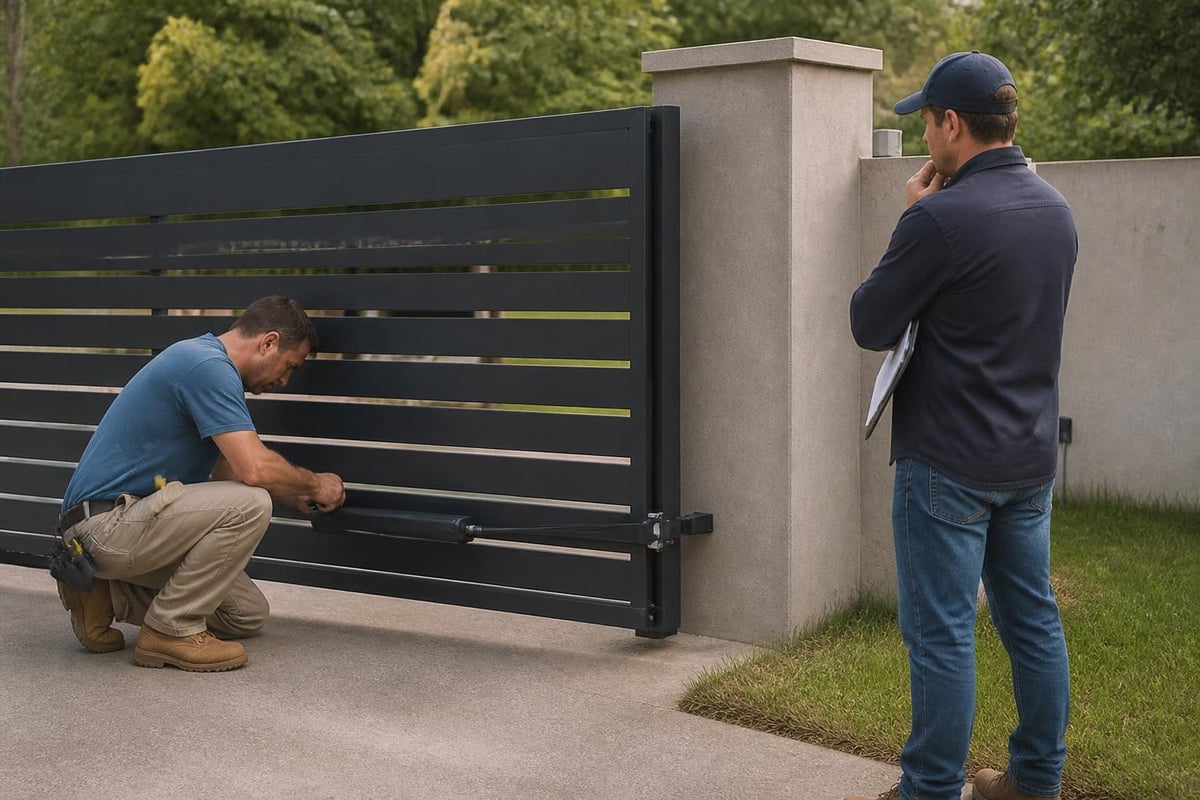
Electric gate installation near me searches should factor in post-installation support availability. Gates require periodic maintenance, and having your installer available for service calls prevents scrambling for help when issues arise.
Routine Maintenance Requirements
Automated gates need regular attention to maintain reliable operation and prevent safety hazards. Most manufacturers recommend professional service every 6-12 months, depending on usage frequency.
Standard maintenance includes:
- Lubricating hinges, rollers, and moving parts
- Testing safety sensor alignment and response
- Inspecting electrical connections for corrosion
- Verifying backup battery functionality
- Adjusting force settings and travel limits
- Checking gate alignment and hardware tightness
Property owners can perform basic tasks like keeping tracks clear of debris and testing manual release mechanisms monthly. However, electrical testing and force adjustments require proper equipment and training.
Emergency Repair Availability
Gates fail at inconvenient times, making local service availability crucial. When evaluating installers, ask about their service department responsiveness and parts inventory. Companies specializing in electric gate repair maintain common components in stock, enabling same-day repairs versus multi-day waits for parts shipping.
Warranty and Service Agreements
Comprehensive warranties cover both equipment and installation labor. Equipment manufacturers typically warranty operators for 2-5 years, while quality installers warranty their labor for 1-2 years minimum.
Service agreements provide scheduled maintenance visits and priority emergency response. Annual agreements cost $200-$500 depending on system complexity but prevent minor issues from becoming major failures. For commercial properties, service agreements also satisfy insurance requirements and maintain safety compliance documentation.
Making Your Final Decision
After researching electric gate installation near me options, comparing quotes, and verifying credentials, trust your assessment of installer professionalism and expertise. The right contractor communicates clearly, provides detailed proposals, and demonstrates genuine interest in delivering quality work rather than rushing to the next job.
Schedule installations during seasons when weather permits proper concrete curing and you'll be available for commissioning walkthroughs. Spring and fall typically offer ideal conditions in Los Angeles, avoiding summer heat that accelerates concrete curing and rare winter rains that delay outdoor work.
Remember that electric gate systems represent long-term investments in property security, convenience, and value. Initial installation quality determines whether you enjoy decades of reliable service or face ongoing repair expenses and frustration. Prioritizing qualified, experienced installers over low-bid contractors pays dividends through superior performance and peace of mind.
Understanding gate motor installation fundamentals helps you evaluate whether contractors specify appropriate equipment for your specific application and usage patterns.
Professional electric gate installation requires expertise across electrical, mechanical, and safety disciplines that distinguish qualified specialists from general contractors. Whether you're automating an existing gate or planning a complete new installation in Los Angeles, working with experienced professionals ensures code compliance, reliable operation, and long-term value. Gates On Site brings over 20 years of electric gate expertise to residential and commercial properties throughout the Los Angeles area, providing same-day service with fully stocked vehicles and licensed technicians ready to handle everything from new installations to emergency repairs.