
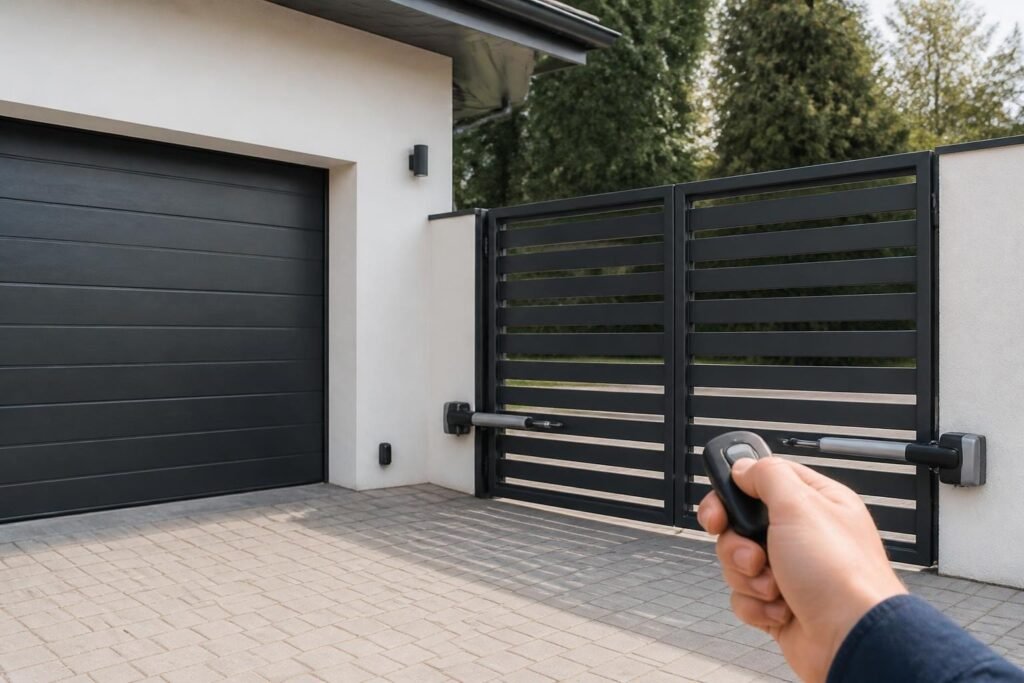
Property owners across Los Angeles rely on automated garage door and gates systems every day, often without considering the complex engineering and rigorous safety standards that make these essential access points function reliably. Whether protecting a residential driveway or securing a commercial facility, these automated barriers represent significant investments that demand proper maintenance, regulatory compliance, and occasional professional intervention. Understanding the fundamentals of garage door and gates operation, safety requirements, and maintenance best practices empowers property owners to make informed decisions about repair, replacement, and long-term system management.
Understanding Modern Garage Door and Gates Systems
Today's automated access systems integrate mechanical components, electrical controls, and sophisticated safety features into unified platforms designed for decades of service. Modern garage door and gates installations must meet stringent performance standards while providing convenient, secure access for vehicles and pedestrians.
Core Components and Operating Principles
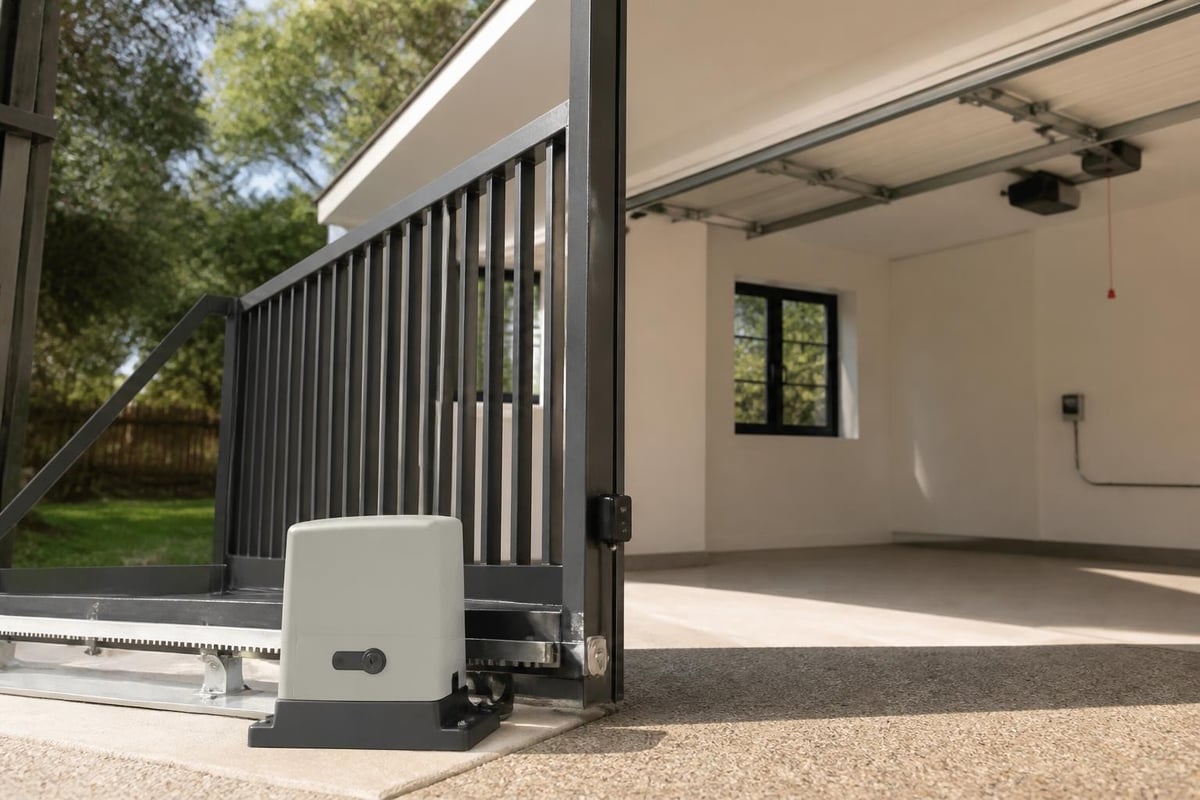
Every automated barrier system shares fundamental components regardless of application or manufacturer. Drive mechanisms convert electrical power into controlled motion, using chain drives, belt drives, screw drives, or hydraulic actuators depending on door type and size. Control boards process signals from transmitters, keypads, and sensors to initiate opening and closing sequences while monitoring safety devices.
Spring assemblies counterbalance door weight, dramatically reducing the force required by operators and extending motor life. Torsion springs mount above garage doors on horizontal shafts, while extension springs run parallel to horizontal tracks. Gate systems typically use different configurations, with cantilever gates relying on balanced weight distribution and swing gates employing offset pivot points.
Track and roller systems guide door panels through their travel paths, maintaining alignment and distributing stress across multiple contact points. Premium installations feature nylon or steel ball-bearing rollers that reduce friction and operating noise while extending component life.
Safety Standards and Regulatory Compliance
The garage door and gates industry operates under comprehensive safety frameworks developed through decades of field experience and engineering analysis. These standards protect users from entrapment, impact injuries, and equipment failures that could cause property damage or personal harm.
UL 325 and Federal Safety Requirements
The UL 325 standard for door and gate operators establishes baseline safety requirements for automatic residential and commercial systems throughout North America. This binational standard underwent significant revision in 2024, incorporating enhanced entrapment-protection provisions and updated testing protocols.
Federal regulations codified through the Consumer Product Safety Commission mandate specific safety features for residential garage door operators. The 2024 CPSC rulemaking package summarizes critical revisions addressing entrapment protection, emergency release mechanisms, and operator force limits.
Key safety requirements include:
- Primary entrapment protection through photoelectric sensors or edge sensors that immediately reverse door travel upon detecting obstructions
- Secondary entrapment protection via constant-contact controls or monitored automatic reversing features
- Emergency disconnect mechanisms enabling manual operation during power failures or system malfunctions
- Operator force limits preventing excessive closing force that could cause injury or property damage
- Warning labels providing clear operating instructions and safety information at point of use
Commercial gate installations must additionally comply with ASTM F2200-24 specifications for automated vehicular gate construction, which classifies gates by usage class and establishes specific design, testing, and installation requirements for each category.
Building Code and Wind-Load Requirements
Garage door and gates installations in many jurisdictions must meet International Residential Code provisions for structural performance and life-safety protection. The International Code Council guidance on garage door provisions details labeling, wind-load testing, and opener-listing requirements that apply during new construction and replacement projects.
Wind-resistance capabilities prove particularly critical in coastal areas and regions prone to severe weather. Pressure-rated garage doors must withstand specified positive and negative pressures without failure or excessive deflection, protecting building interiors from wind-driven rain and maintaining structural integrity during storms.
| Requirement Type | Residential Standard | Commercial Standard |
|---|---|---|
| Entrapment Protection | Dual sensors (photo-eye + force) | Monitored safety edges + sensors |
| Force Limit | 15 lbs closing force | Varies by gate class (ASTM F2200) |
| Emergency Release | Manual disconnect required | Failsafe or fail-secure options |
| Wind Rating | Per local code (often 130+ mph) | Project-specific engineering |
| Inspection Frequency | Annual recommended | Monthly to quarterly required |
Common Issues Affecting Garage Door and Gates Performance
Even well-maintained automated barrier systems eventually require professional attention as components wear, environmental conditions cause deterioration, or electrical systems develop faults. Recognizing common failure modes helps property owners distinguish routine maintenance needs from urgent repair situations.
Mechanical Component Failures
Spring failures rank among the most frequent garage door and gates problems, typically occurring without warning after thousands of operating cycles. Torsion springs store enormous energy when wound, making DIY replacement extremely dangerous. Professional technicians use specialized tools and follow strict safety protocols when replacing failed springs or adjusting spring tension.
Track misalignment develops gradually as mounting brackets loosen or building settlement shifts support structures. Doors traveling through misaligned tracks experience increased friction, accelerated roller wear, and potential jamming. Gates with misaligned tracks may bind during operation or fail to latch properly when closed.
Roller and hinge deterioration manifests as increased operating noise, jerky motion, or visible damage to door sections. Steel rollers without adequate lubrication develop flat spots that create thumping sounds during operation, while worn hinges allow excessive play between door sections.
Electrical and Control System Problems
Operator motors fail due to thermal overload, winding insulation breakdown, or capacitor deterioration. Motors that struggle to lift doors or operate intermittently often indicate spring problems rather than motor defects, requiring comprehensive diagnosis to identify root causes.
Photo-eye sensors become misaligned through vibration, accidental contact, or settling of mounting surfaces. Garage door and gates systems with misaligned sensors may refuse to close or reverse immediately after initiating closing cycles. Sensor lenses accumulating dirt, spider webs, or moisture droplets produce similar symptoms.
Control board failures result from power surges, component aging, or moisture infiltration. Boards with failed relay contacts may operate intermittently or respond inconsistently to transmitter signals. Complete board failures prevent all operator functions, though emergency manual release mechanisms remain operational.
Professional Maintenance and Inspection Protocols
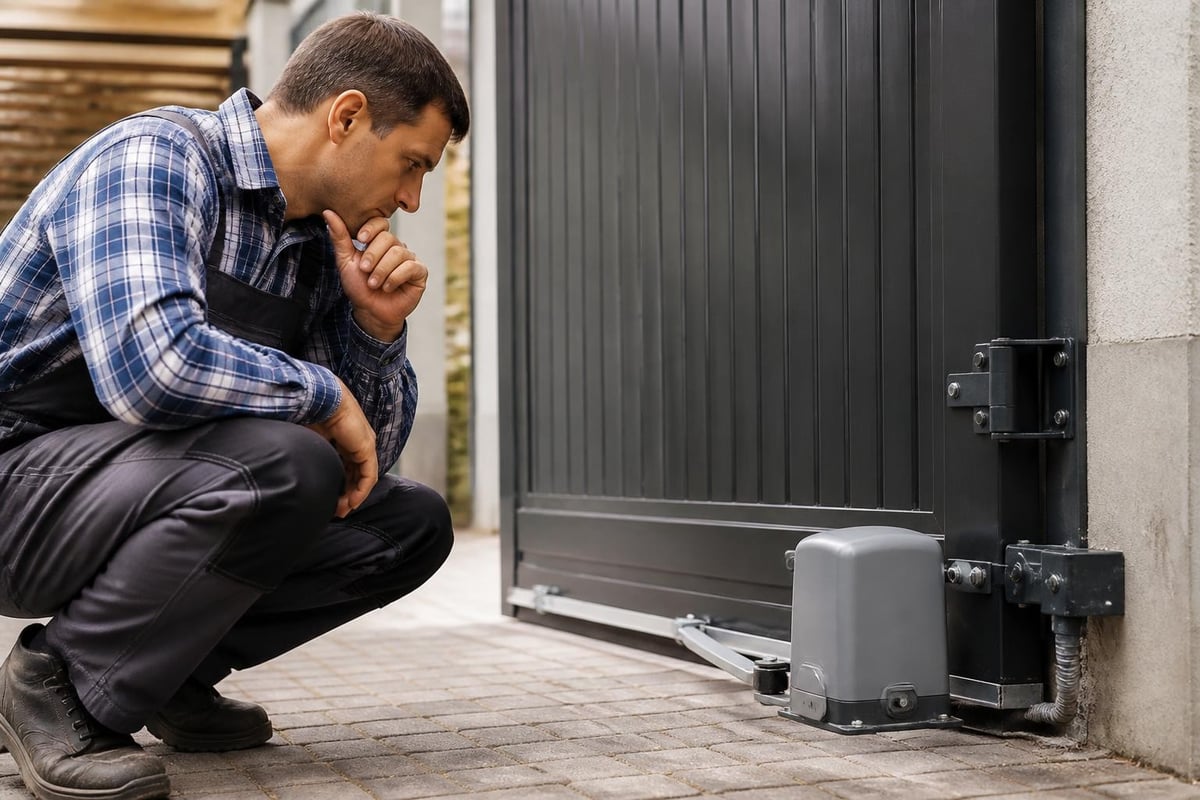
Systematic preventive maintenance extends garage door and gates service life while reducing the likelihood of inconvenient failures and costly emergency repairs. Professional service programs follow industry-standard protocols established by DASMA and incorporated into manufacturer maintenance schedules.
DASMA-Recommended Maintenance Schedule
The Door & Access Systems Manufacturers Association maintenance guide provides comprehensive inspection and service checklists applicable to residential and commercial installations. These procedures balance thoroughness against practical service intervals, typically recommending annual professional inspections supplemented by monthly owner observations.
Professional technicians performing comprehensive maintenance address multiple system aspects during single service visits:
- Visual inspection of all moving parts, identifying worn rollers, frayed cables, damaged sections, and deteriorated weather seals
- Hardware tightening of track brackets, hinge fasteners, and operator mounting bolts loosened by vibration
- Lubrication application to rollers, hinges, springs, and bearing surfaces using appropriate garage-door-specific lubricants
- Balance testing verifying spring adjustment by disconnecting operators and manually lifting doors to mid-travel positions
- Safety system verification testing photo-eyes, edge sensors, auto-reverse functions, and emergency release mechanisms
- Operator adjustment optimizing travel limits, force settings, and closing speed for current door weight and balance
Component Replacement Intervals
Different garage door and gates components wear at different rates based on operating frequency, environmental exposure, and initial quality. Understanding typical service lives helps property owners budget for eventual replacements and avoid unexpected failures.
| Component | Typical Service Life | Replacement Indicators |
|---|---|---|
| Torsion Springs | 10,000-20,000 cycles | Visible gaps in coils, difficulty opening |
| Rollers (steel) | 10,000-15,000 cycles | Flat spots, excessive noise, visible wear |
| Rollers (nylon) | 15,000-25,000 cycles | Cracked material, wobbling in tracks |
| Cables | 15-20 years | Fraying, rust, broken strands |
| Opener (residential) | 10-15 years | Inconsistent operation, unusual noise |
| Photo-eyes | 10-15 years | Frequent misalignment, cracked housings |
Cycle counts depend heavily on usage patterns. Residential garage door and gates installations typically accumulate 1,000-1,500 cycles annually, while commercial gates at multifamily properties or business facilities may experience 5,000-10,000 cycles per year.
Technical Standards and Testing Requirements
Manufacturers, installers, and service providers reference numerous technical standards when designing, installing, and maintaining garage door and gates systems. These documents establish performance criteria, testing methodologies, and quality benchmarks that ensure consistent results across the industry.
Industry-Standard Testing Protocols
DASMA technical data sheets compile testing methods for wind-load resistance, cycle-life durability, thermal performance, and component strength. These standards guide manufacturers during product development while providing installers with specification criteria for matching products to application requirements.
Wind-load testing follows established protocols measuring door deflection under simulated pressure conditions. Residential doors in coastal Los Angeles areas often require pressure ratings accounting for wind speeds exceeding 100 mph, while inland installations may specify lower thresholds based on local building codes.
Cycle testing evaluates spring life, operator durability, and component wear characteristics by subjecting assemblies to thousands of opening and closing operations under controlled conditions. Premium springs carry cycle ratings double or triple those of economy alternatives, justifying higher initial costs through extended service intervals.
State-Specific Requirements and Insurance Considerations
Some jurisdictions impose additional requirements beyond national standards. Texas Department of Insurance technical guidance on testing and labeling requirements for garage doors exemplifies state-level oversight affecting product selection and installation practices. While California applies different specific standards, understanding varied regulatory approaches helps property owners appreciate the complexity underlying seemingly simple door installations.
Insurance carriers increasingly scrutinize garage door and gates installations when underwriting property policies, particularly in areas prone to wind damage or wildfire. Proper labeling demonstrating compliance with applicable wind-load standards may affect premium calculations or coverage availability.
Selecting Professional Service Providers
The complexity of modern garage door and gates systems demands skilled technicians equipped with specialized tools, comprehensive parts inventories, and current knowledge of safety standards. Property owners evaluating service providers should consider multiple factors beyond hourly rates or initial estimates.
Qualifications and Experience Indicators
Professional garage door and gates technicians typically complete manufacturer-specific training programs covering installation, adjustment, and troubleshooting procedures for particular product lines. Many operators, especially commercial units, incorporate proprietary control systems requiring specialized diagnostic equipment and programming knowledge.
Emergency service availability distinguishes providers committed to comprehensive customer support from those operating strictly during business hours. Gates and doors that fail in closed positions create immediate access problems requiring prompt professional response, while units failing in open positions compromise security until repaired.
Parts inventory directly affects service completion rates during initial visits. For Los Angeles property owners, overhead garage door repair specialists maintaining comprehensive truck stock can complete most repairs without return visits for parts ordering and delivery.
License and insurance verification protects property owners from liability exposure and ensures adherence to local contracting requirements. California state law mandates specific licensing for contractors performing garage door and gates work above certain dollar thresholds.
Service Agreement Considerations
Preventive maintenance agreements provide scheduled inspections and priority service while spreading costs across annual or multi-year terms. Well-structured agreements specify included services, response-time guarantees for emergency calls, and discount provisions for parts and labor beyond routine maintenance.
Property owners managing multiple garage door and gates installations-common in multifamily residential and commercial properties-benefit particularly from consolidated service agreements. Single-provider relationships simplify scheduling, ensure consistent service quality, and often yield volume pricing advantages.
Long-Term System Planning and Upgrade Paths
Strategic thinking about garage door and gates systems extends beyond reactive repair toward proactive replacement planning and technology upgrades that enhance security, convenience, and property value. Understanding available options helps property owners make informed decisions when systems approach end-of-life or new capabilities become available.
Replacement Versus Repair Decision Framework
Aging garage door and gates installations eventually reach points where continued repair becomes economically disadvantageous compared to complete replacement. Several factors influence this threshold:
- Cumulative repair costs approaching 50% of replacement cost within a 12-month period
- Availability of replacement parts for discontinued models or obsolete manufacturers
- Safety feature obsolescence when existing systems lack current UL 325 compliant protections
- Energy efficiency improvements available in modern insulated doors with superior thermal performance
- Aesthetic updates aligning access systems with property improvements or changing architectural styles
Complete system replacement provides opportunities to address underlying installation deficiencies, upgrade to commercial-grade components in high-use applications, and incorporate modern convenience features unavailable in existing systems.
Technology Integration and Smart Home Connectivity
Contemporary garage door and gates operators integrate with broader home automation platforms, enabling remote monitoring, automated scheduling, and integration with security systems. Wi-Fi-enabled operators allow smartphone control from any location with internet connectivity, while activity logging tracks opening and closing events for security purposes.
Battery backup systems maintain operation during power outages, preventing access disruption and security vulnerabilities. This capability proves particularly valuable for garage door and gates installations serving as primary access points or protecting temperature-sensitive storage areas.
Vehicle-sensing technology automates opening sequences when authorized vehicles approach, eliminating the need for transmitter activation while maintaining security against unauthorized access. These systems distinguish authorized vehicles through various identification technologies including RFID tags, Bluetooth proximity detection, and license plate recognition.
Seasonal Considerations for Los Angeles Installations
Although Los Angeles enjoys moderate climate conditions year-round, garage door and gates systems still experience seasonal performance variations requiring attention. Understanding regional factors helps property owners anticipate problems and schedule preventive measures appropriately.
Weather-Related Maintenance Adjustments
Marine air exposure affects coastal installations through accelerated corrosion of steel components and degradation of rubber seals and weather stripping. Properties within several miles of the ocean benefit from more frequent lubrication intervals and proactive replacement of corrosion-prone fasteners with stainless steel alternatives.
Temperature fluctuations during winter months cause metal components to contract, potentially affecting spring tension and operator force settings optimized during warmer periods. Annual service appointments scheduled during moderate weather allow technicians to establish baseline adjustments suitable for year-round operation.
Wildfire season considerations prompt property owners to verify garage door and gates operation before evacuation scenarios arise. Systems that fail closed during emergencies create dangerous access barriers, while units failing open compromise property security when structures are unoccupied.
Regional Code Compliance Updates
Building departments occasionally update code requirements affecting existing garage door and gates installations, particularly following injury incidents or identified safety gaps. Property owners planning significant renovations or property transfers should verify current compliance status, as code-enforcement actions may require retrofitting safety features onto older systems.
The service areas throughout Los Angeles encompass multiple jurisdictional boundaries, each potentially maintaining distinct permit requirements and inspection protocols for garage door and gates work. Professional service providers familiar with local variations help navigate these administrative requirements efficiently.
Maintaining reliable, safe garage door and gates systems requires understanding the sophisticated engineering, regulatory frameworks, and maintenance protocols underlying these essential property features. When professional service becomes necessary-whether for emergency repairs, routine maintenance, or system upgrades-choosing experienced technicians equipped to diagnose problems accurately and complete repairs efficiently protects your investment and ensures continued safe operation. Gates On Site brings over 20 years of expertise to residential and commercial garage door and gates service throughout Los Angeles, with same-day emergency response and comprehensive parts inventory to resolve issues promptly. Contact our team today to schedule preventive maintenance or request immediate assistance with any access system concern.