
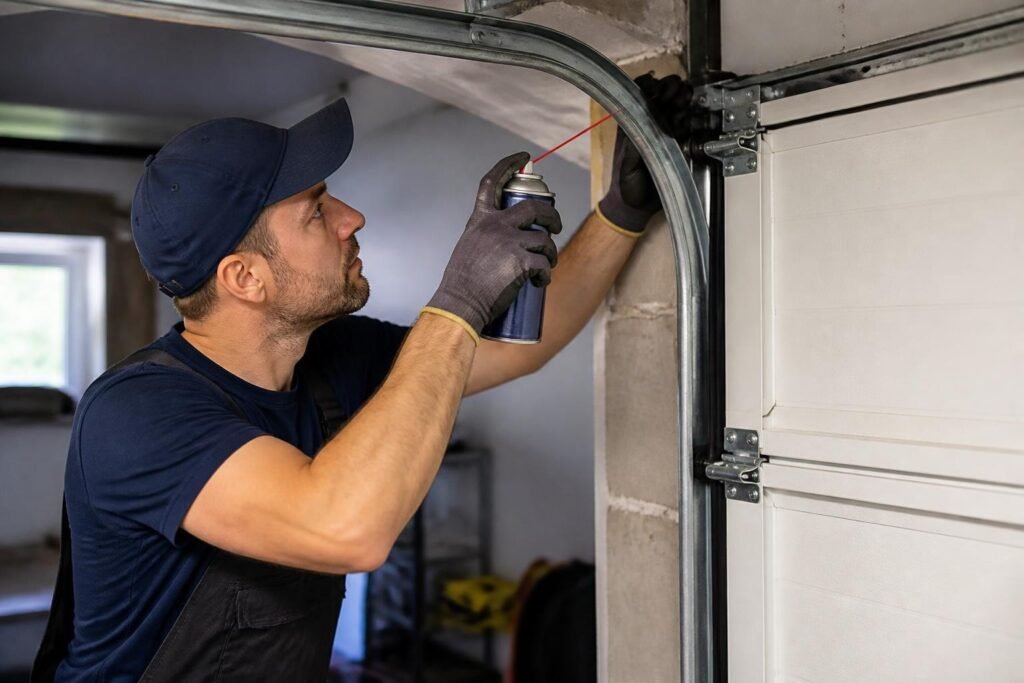
A garage door tune up is one of the most overlooked yet critical maintenance tasks for homeowners and business owners in Los Angeles. Your garage door operates multiple times daily, enduring constant wear from weather exposure, mechanical stress, and Los Angeles' unique climate conditions. Regular maintenance prevents unexpected failures, extends the lifespan of your system, and protects your family or employees from safety hazards. Whether you own a residential property or manage a commercial facility, understanding the comprehensive steps of a proper garage door tune up ensures smooth operation year-round and helps you avoid costly emergency repairs.
Understanding the Importance of Regular Garage Door Maintenance
The average garage door cycles up and down thousands of times each year, making it one of the most frequently used mechanical systems in any building. Each operation places stress on springs, cables, rollers, and opener components that gradually degrade over time.
Without routine attention, minor issues compound into major failures. A worn roller bearing can throw the door off track. A frayed cable can snap without warning. Neglected lubrication accelerates wear on metal components, while loose hardware creates dangerous operating conditions.
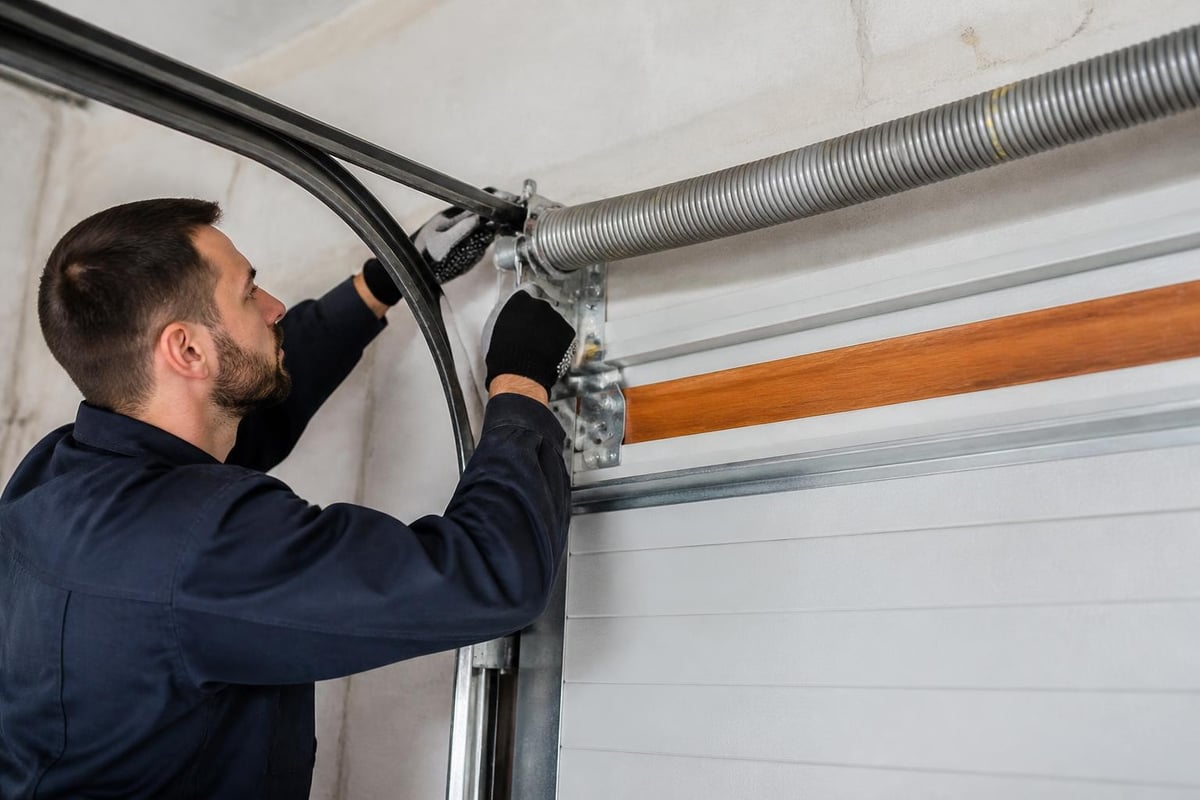
According to DASMA’s maintenance guide, manufacturers recommend professional inspection at least annually, with monthly visual checks by property owners. This schedule aligns with industry best practices and warranty requirements for most garage door systems.
Safety Considerations
Garage door injuries send thousands of people to emergency rooms each year. Most incidents result from:
- Spring failures under extreme tension
- Entrapment from faulty auto-reverse systems
- Pinch points during manual operation
- Falling doors due to cable or track failure
The Minnesota Department of Labor and Industry outlines inspection criteria emphasizing emergency release mechanisms, photo-eye sensors, and force settings. These safety features require verification during every garage door tune up to protect users from preventable accidents.
Comprehensive Garage Door Tune Up Checklist
A thorough garage door tune up follows a systematic approach covering mechanical, electrical, and structural components. Professional technicians and knowledgeable property owners should address each area methodically.
Visual Inspection Protocol
Begin every garage door tune up with a complete visual assessment while the door is closed, partially open, and fully raised.
Check for these warning signs:
- Rust or corrosion on springs, cables, and hardware
- Frayed or kinked cables showing individual wire strands
- Worn rollers with flat spots or missing bearings
- Cracked or splintered door panels
- Gaps in weatherstripping allowing light or air infiltration
- Bent or misaligned track sections
Document any damage with photos and measurements. This baseline helps track deterioration over time and justifies replacement recommendations when components reach end-of-life.
The door should raise and lower smoothly without jerking, hesitation, or uneven movement. Asymmetric operation indicates spring imbalance, track misalignment, or opener issues requiring immediate attention.
Hardware Tightening and Adjustment
Vibration from thousands of operating cycles gradually loosens fasteners throughout the door assembly. A garage door tune up must include systematic hardware inspection and tightening.
| Component | Hardware Type | Inspection Frequency | Common Issues |
|---|---|---|---|
| Hinges | Bolts and nuts | Every 6 months | Loose pivots, worn holes |
| Brackets | Lag screws | Annually | Wall separation, stripped threads |
| Track mounts | Bolts | Every 6 months | Misalignment, frame distortion |
| Roller stems | Set screws | Annually | Stem rotation, bearing failure |
Use appropriate tools and torque specifications. Over-tightening can strip threads or crack components, while under-tightening allows continued loosening. For Los Angeles properties, Gates On Site technicians carry calibrated tools and manufacturer specifications for proper fastener tension.
Lubrication Points and Products
Proper lubrication reduces friction, minimizes noise, and extends component life. However, incorrect products or over-application attracts dirt and accelerates wear.
Bob Vila’s comprehensive guide recommends white lithium grease or silicone-based garage door lubricants. Avoid WD-40 or general-purpose oils that evaporate quickly or become sticky in Los Angeles' temperature variations.
Apply lubricant to:
- Torsion springs – Light coating along the entire coil
- Hinges – All pivot points and bearing surfaces
- Rollers – Bearing area (avoid nylon wheels)
- Track curves – Inside radius where rollers make contact
- Lock mechanisms – Moving parts and latch points
- Top roller brackets – Pivot points and roller shafts
Wipe away excess lubricant to prevent dust accumulation. Schedule lubrication every six months as part of your routine garage door tune up, with additional applications after heavy rainfall or Santa Ana wind events that introduce debris.
Spring System Evaluation and Testing
Springs store enormous energy and represent the most dangerous component during a garage door tune up. Never attempt spring adjustment or replacement without proper training and tools.
Torsion Spring Assessment
Torsion springs mount on a shaft above the door opening, counterbalancing the door's weight through rotational force. Standard residential springs are rated for 10,000 to 30,000 cycles, translating to seven to twelve years of typical use.
Inspect springs for:
- Gap formation between coils (sign of weakening)
- Rust or corrosion reducing metal integrity
- Coating cracks or flaking
- Uneven coil spacing indicating deformation
Measure spring diameter and length, comparing to original specifications. A 10% reduction in diameter indicates significant wear requiring replacement before failure occurs.
Extension Spring Inspection
Extension springs run parallel to horizontal tracks on both sides of the door. These systems include safety cables preventing springs from becoming projectiles during failure.
Verify safety cables are properly threaded through spring centers and securely anchored at both ends. Check for spring stretching by comparing relaxed length to manufacturer specifications.
Extension spring warning signs include:
- Visible cracks in spring wire
- Hook distortion at attachment points
- Missing or damaged safety cables
- Uneven extension between left and right springs
When springs show deterioration, professional garage door spring replacement ensures proper weight calculation, correct winding, and safe installation procedures beyond DIY capabilities.
Opener System Maintenance and Testing
Modern garage door openers integrate mechanical drive systems, electronic controls, and safety sensors requiring regular verification during a garage door tune up.
Drive Mechanism Service
Different opener types require specific maintenance approaches:
| Opener Type | Maintenance Focus | Service Interval | Key Components |
|---|---|---|---|
| Chain drive | Lubrication, tension | 6 months | Chain, sprocket, trolley |
| Belt drive | Tension, alignment | Annually | Belt, pulley, carriage |
| Screw drive | Rail lubrication | 6 months | Drive screw, carriage nut |
| Direct drive | Minimal service | Annually | Trolley bearings only |
Home Depot’s opener maintenance guide provides detailed instructions for adjusting chain or belt tension to manufacturer specifications. Proper tension prevents premature wear while ensuring reliable operation.
Safety Sensor Verification
Photo-eye sensors represent the primary protection against entrapment injuries. Federal regulations mandate automatic reversal when objects interrupt the sensor beam during closing.
Test safety sensors monthly:
- Place a solid object (2×4 lumber) in the door path
- Activate the door to close
- Door must reverse immediately upon contacting the object
- Remove object and verify door closes completely
Clean sensor lenses with microfiber cloth and glass cleaner. Verify alignment by checking indicator lights (usually green or red LEDs). Misaligned sensors prevent door closing or cause erratic operation.
Additionally, test the force setting by holding the bottom of the door while it closes. The door should reverse with moderate resistance, approximately 10-15 pounds of upward pressure. Excessive force indicates improper adjustment creating entrapment hazards.
Track Alignment and Roller Replacement
Vertical tracks guide the door through its travel path, while rollers provide the interface between door and track. Proper alignment ensures smooth operation and prevents premature component wear.
Track Inspection Methodology
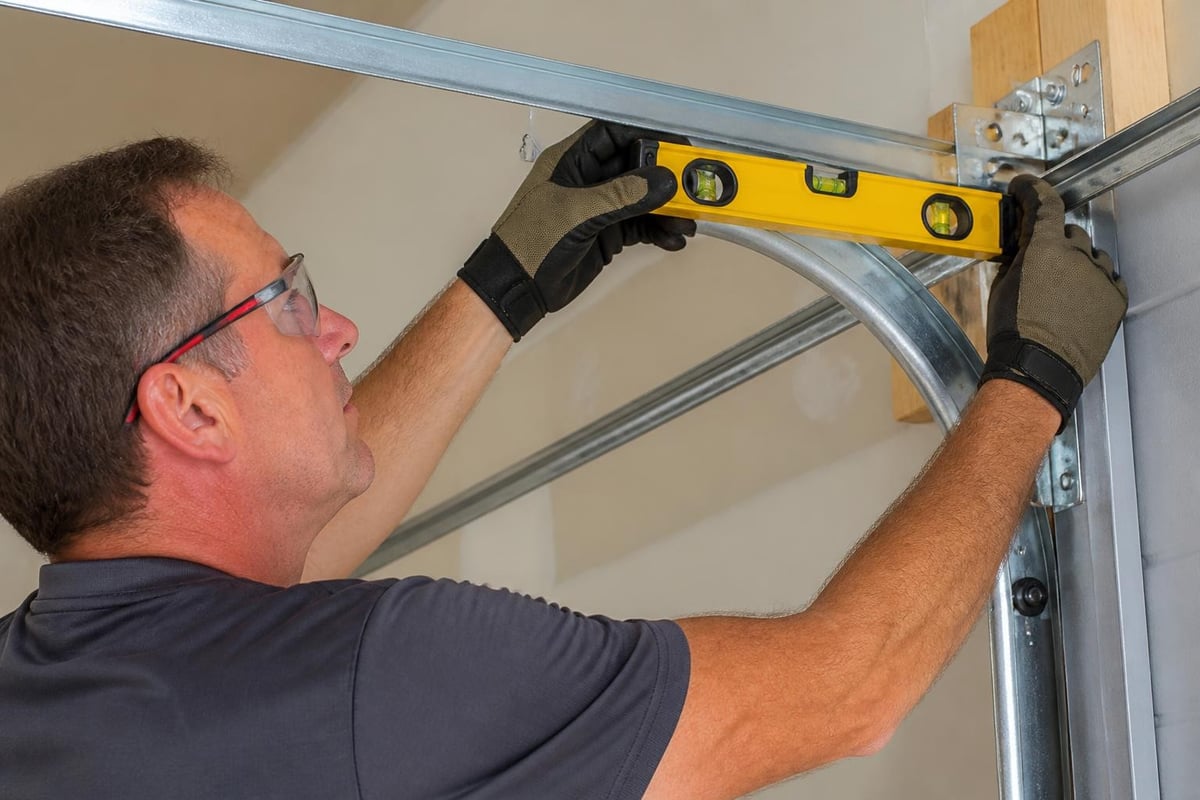
Use a 4-foot level to verify track plumb (vertical sections) and proper pitch (horizontal sections). Tracks should be perfectly parallel, measured at multiple heights.
Standard track spacing varies by door width but typically ranges from 3.5 to 4.75 inches from the edge of the door section to the inside of the track. Consistent spacing prevents binding and uneven roller wear.
Check track for:
- Dents or crimps restricting roller movement
- Rust or corrosion weakening structural integrity
- Loose mounting brackets allowing track movement
- Debris accumulation obstructing the roller path
Minor track dents can sometimes be tapped out with a rubber mallet and wood block. Severe damage requires track section replacement to restore proper geometry.
Roller Condition and Replacement
Garage door rollers endure tremendous wear, supporting the door's weight while traversing the track thousands of times annually. Most rollers fail between years 5 and 10, depending on quality and maintenance.
Roller types and characteristics:
- Steel rollers with ball bearings – Longest life (10,000+ cycles), require lubrication, slightly noisy
- Nylon rollers – Quieter operation, no lubrication needed, 7,000-cycle average life
- Sealed bearing rollers – Premium option, lifetime lubrication, 20,000+ cycle rating
Replace rollers showing flat spots, missing bearings, or rough rotation. For residential applications, upgrade to 10-13 ball bearing or nylon rollers during your garage door tune up for significantly quieter and smoother operation.
Weatherstripping and Insulation Assessment
Los Angeles experiences temperature variations requiring effective garage door sealing for energy efficiency and comfort. Weatherstripping deteriorates from UV exposure, temperature cycling, and mechanical wear.
Bottom Seal Replacement
The bottom seal (also called threshold seal or astragal) creates a barrier against water, pests, and air infiltration. This component degrades faster than other weatherstripping due to constant ground contact and UV exposure.
Inspect the bottom seal for:
- Cracks, tears, or missing sections
- Hardening and loss of flexibility
- Compression set (permanent flattening)
- Gap formation when door is closed
Quality replacement seals use EPDM rubber or PVC compounds resisting Los Angeles' climate extremes. The Building America Solution Center guide explains proper installation techniques ensuring complete ground contact and proper attachment to the door's retainer.
Perimeter Weatherstripping Service
Weatherstripping along the door's sides and top prevents air and water infiltration around the door perimeter. This component typically uses vinyl, rubber, or brush-type seals depending on door design.
Check for compression, tearing, or separation from mounting channels. Replace sections showing deterioration rather than attempting repairs that compromise sealing performance.
For properties requiring enhanced insulation, consider upgrading to insulated door sections during major renovations. Insulated doors reduce energy transfer, minimize interior noise, and provide superior climate control for garage workspace areas.
Professional vs. DIY Garage Door Tune Up Considerations
While property owners can perform basic maintenance tasks, certain garage door tune up procedures require professional expertise, specialized tools, and safety equipment.
Homeowner-Safe Maintenance Tasks
Property owners can safely perform:
- Visual inspections and documentation
- Hardware tightening (except spring-loaded components)
- Lubrication of accessible parts
- Weatherstripping replacement
- Track cleaning and debris removal
- Sensor cleaning and alignment verification
- Opener force testing
- Manual operation testing
These tasks require basic tools-socket set, adjustable wrenches, lubricants, cleaning supplies, and levels. This Old House provides detailed instructions for homeowner-level maintenance activities.
When to Contact Professional Technicians
Professional service is essential for:
- Spring adjustment, repair, or replacement
- Cable replacement or tensioning
- Opener installation or major repairs
- Track replacement or realignment
- Panel replacement requiring door rebalancing
- Complete system overhauls
For commercial applications, particularly overhead garage door repair in industrial settings, professional service ensures compliance with workplace safety regulations and manufacturer warranty requirements.
Professional technicians carry liability insurance covering potential injury or property damage during service. They also have access to OEM parts, diagnostic tools, and manufacturer-specific technical information unavailable to general consumers.
Seasonal Maintenance Adjustments for Los Angeles Climate
Los Angeles' Mediterranean climate creates specific maintenance considerations during annual garage door tune up procedures. Temperature swings between coastal and inland areas affect metal components, lubricants, and electronic systems differently than humid or extreme cold climates.
Summer Preparation
High temperatures in San Fernando Valley and inland areas can reach 100°F+, affecting garage door operation:
- Heat expansion alters track clearances and door fit
- Lubricants thin, requiring higher-temperature formulations
- Opener thermal protection may activate during extended use
- Weatherstripping becomes pliable, potentially shifting from proper position
Adjust opener force settings accounting for thermal expansion. Verify track clearances allow adequate space for metal expansion without binding. Consider heat-resistant lubricants for properties experiencing extreme summer temperatures.
Winter Considerations
While Los Angeles winters are mild compared to other regions, temperature drops and increased rainfall create maintenance requirements:
- Metal contraction can alter spring tension
- Moisture accelerates corrosion on exposed components
- Rain exposes weatherstripping and seal weaknesses
- Cooler temperatures cause some lubricants to thicken
Schedule your annual garage door tune up in early fall, preparing the system for winter rains and cooler temperatures. Apply corrosion inhibitors to springs and hardware. Verify drainage around garage approaches to prevent water pooling against bottom seals.
Documentation and Maintenance Records
Systematic record-keeping transforms routine garage door tune up activities into valuable property maintenance documentation. Detailed records support warranty claims, inform future service decisions, and establish maintenance history valuable during property transactions.
Essential Documentation Elements
Create a maintenance log recording:
- Service dates and tasks performed
- Component conditions and measurements
- Parts replaced with model numbers
- Technician names and company information
- Photos showing component conditions
- Cost records for budget planning
Digital documentation using smartphone photos and cloud storage ensures records survive property transitions and natural disasters. Date-stamped photos provide visual evidence of deterioration patterns and service quality.
Warranty Compliance
Most garage door component warranties require documented regular maintenance. Spring manufacturers typically void warranties if annual professional service isn't documented. Opener warranties often specify force-setting verification and safety testing intervals.
Review warranty documentation during your garage door tune up to ensure compliance with manufacturer requirements. Schedule professional inspections at intervals matching warranty stipulations, even if the door appears to operate normally.
Identifying When Repair or Replacement Is Necessary
A thorough garage door tune up often reveals issues beyond routine maintenance capabilities. Understanding the distinction between serviceable wear and component failure guides appropriate repair versus replacement decisions.
Repair vs. Replace Decision Factors
| Component | Repair Indicators | Replace Indicators | Typical Lifespan |
|---|---|---|---|
| Springs | Minor rust, light coating wear | Gaps in coils, 10% diameter loss | 7-12 years |
| Cables | Light fraying (5-10 strands) | Extensive fraying, rust staining | 8-15 years |
| Rollers | Slight bearing roughness | Flat spots, missing bearings | 5-10 years |
| Panels | Minor dents, surface rust | Structural cracks, severe corrosion | 15-30 years |
| Opener | Noise, intermittent operation | Motor failure, circuit board damage | 10-15 years |
Cost-benefit analysis should consider repair expenses against remaining component lifespan. Repairing a 12-year-old opener approaching typical failure age may not justify the expense compared to replacement with modern features and extended warranty coverage.
System-Wide Replacement Considerations
When multiple major components require replacement simultaneously, complete system replacement often provides better value than piecemeal repairs. A door with failing springs, worn rollers, and corroded tracks likely has hidden deterioration in panels, weatherstripping, and hardware.
Modern garage door systems offer substantial improvements over products manufactured 15+ years ago:
- Quieter operation through advanced roller and opener technology
- Enhanced safety features exceeding older regulatory standards
- Superior insulation reducing energy costs
- Smart home integration enabling remote monitoring and control
- Extended warranty coverage protecting long-term investment
For properties with automatic gate systems or commercial applications, coordinating garage door replacement with other property improvements maximizes contractor efficiency and aesthetic consistency.
Emergency Preparedness and Manual Operation
Every garage door tune up should include verification of manual operation capabilities. Power outages, opener failures, or emergency situations require occupants to operate doors manually without damage or injury.
Emergency Release Testing
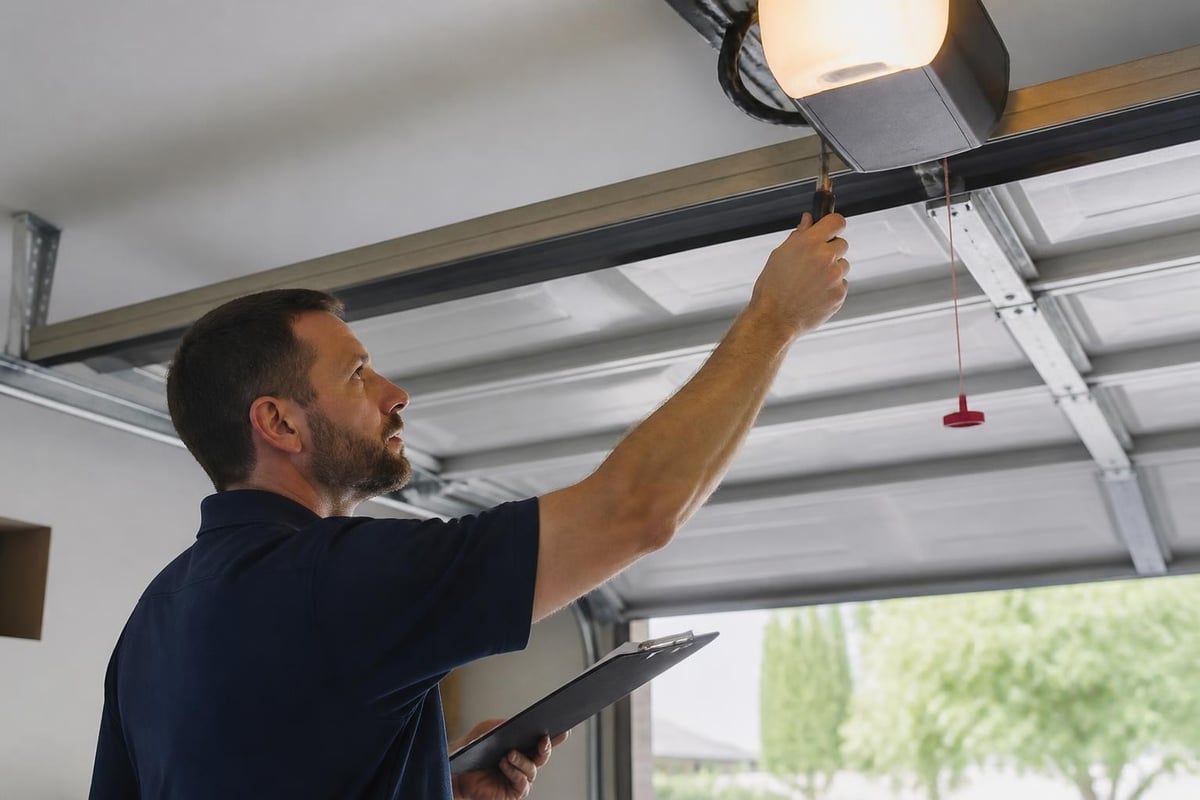
All automatic garage door openers include an emergency release mechanism, typically a red handle hanging from the trolley carriage. This device disconnects the door from the opener, allowing manual operation.
Test emergency release monthly:
- Pull release handle with door in closed position
- Verify clean disconnection without binding
- Manually raise door halfway to test balance
- Door should remain stationary (properly balanced system)
- Reconnect trolley by pulling release and cycling opener
If the door falls or rises when released, spring adjustment is necessary. Unbalanced doors create safety hazards and excessive opener wear, requiring professional attention during your next garage door tune up.
Manual Operation Safety
When operating garage doors manually, always:
- Ensure the area is clear of people and vehicles
- Lift using proper body mechanics, not back strain
- Never leave the door partially open without securing it
- Avoid finger placement near pinch points
- Disconnect the opener before manual operation
- Ensure the lock is disengaged before lifting
For commercial applications or doors exceeding 10 feet in width, manual operation may require multiple people. Establish protocols ensuring safe manual operation during emergencies, and post instructions near operator controls.
Regular garage door tune up procedures prevent costly repairs, extend system lifespan, and protect property occupants from preventable safety hazards. By following systematic inspection protocols, maintaining detailed service records, and addressing minor issues before they escalate, Los Angeles property owners ensure reliable operation year-round. Whether you perform basic maintenance tasks yourself or prefer professional service, consistency matters more than perfection. Gates On Site provides comprehensive garage door repair and maintenance services throughout Los Angeles, backed by over 20 years of experience and same-day emergency service at no extra charge. Contact our team today to schedule your professional garage door tune up and ensure your system operates safely and efficiently.