
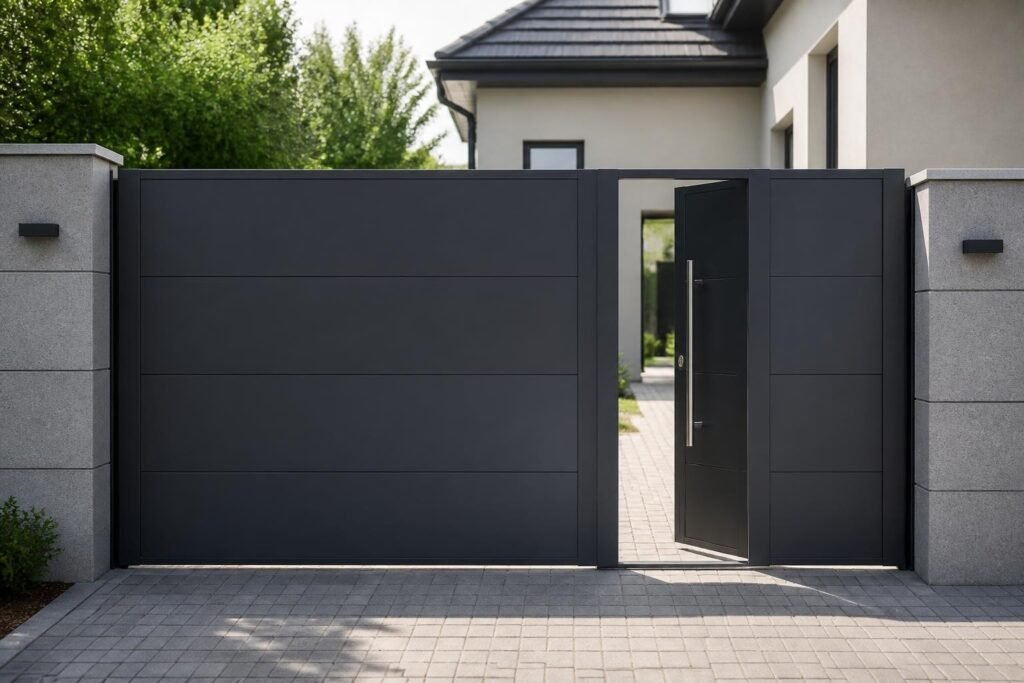
A garage gate with door represents a practical solution for properties requiring both vehicular and pedestrian access through a single barrier system. This configuration combines the security and convenience of an automated gate with the accessibility of a dedicated walk-through door, eliminating the need to open the entire gate for foot traffic. Whether you're managing a commercial facility, securing a residential driveway, or upgrading an existing garage entrance, understanding the design options, safety requirements, and maintenance considerations for this dual-purpose system ensures optimal performance and longevity.
Understanding the Garage Gate With Door Configuration
The garage gate with door concept merges two essential access points into one cohesive structure. The primary gate component handles vehicle entry and exit, while an integrated pedestrian door provides convenient access for people on foot.
This design offers several distinct advantages over separate gate and door installations. Property owners reduce construction costs by building a single structure rather than multiple entry points. The integrated approach also maintains visual consistency across the property frontage while simplifying security management through a unified access control system.
Common Design Variations
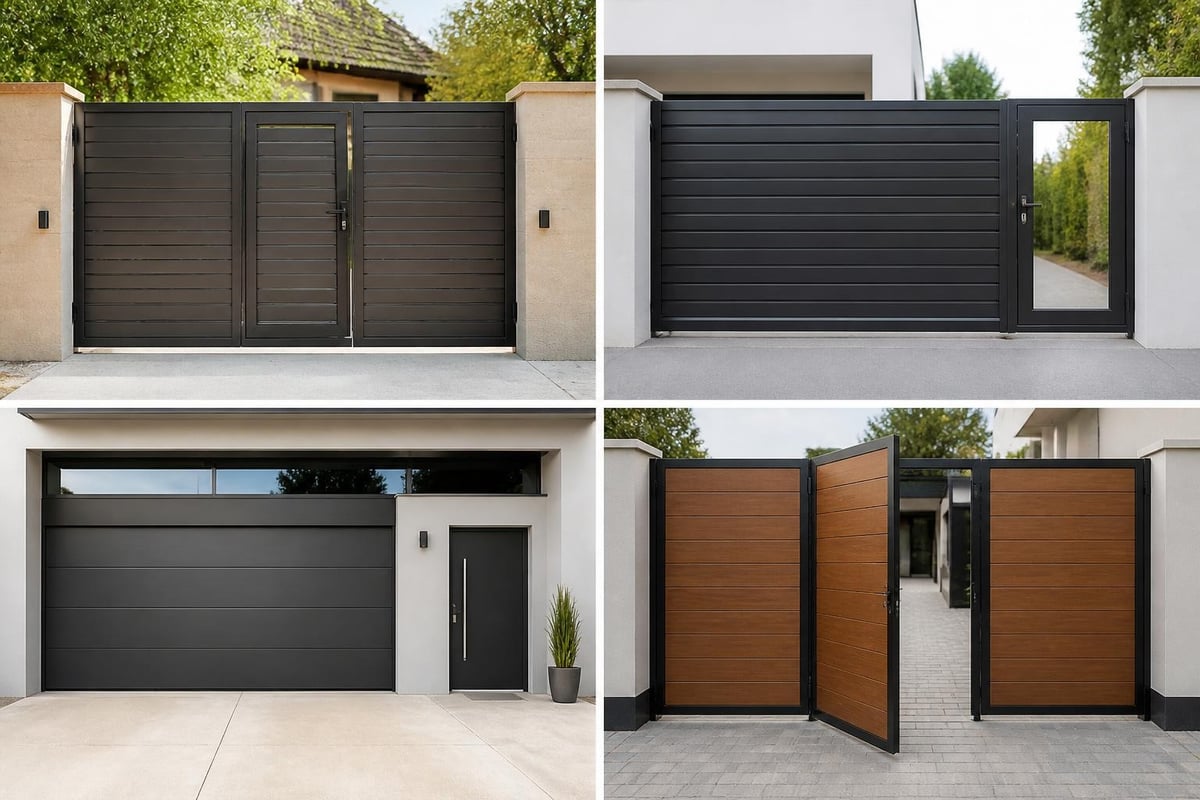
Different property types and spatial constraints require different garage gate with door configurations:
- Swing gates with inset doors: The pedestrian door is built directly into one or both gate panels
- Sliding gates with adjacent doors: The walk-through door sits beside the gate track in a fixed frame
- Overhead doors with side entries: Roll-up or sectional garage doors paired with a separate but coordinated pedestrian door
- Bi-fold gates with integrated access: Folding gate systems that incorporate a standard door within one panel
The most appropriate configuration depends on available space, traffic patterns, aesthetic preferences, and operational requirements. Swing gates with inset doors work well for smaller openings, while sliding gates with adjacent doors accommodate wider driveways where the gate must clear the entire vehicle path.
Safety Standards and Code Compliance
Installing a garage gate with door requires adherence to multiple safety standards governing both the vehicular gate and the pedestrian door components. These requirements protect users from entrapment, impact injuries, and operational hazards.
The ASTM F2200 standard establishes construction and performance requirements for automated vehicular gates, including specifications for gate classes, entrapment protection, and operational testing. When your garage gate includes motorized operation, compliance with this standard ensures the system meets recognized industry benchmarks for safe automated performance.
Critical Safety Features
Every garage gate with door must incorporate specific safety mechanisms to prevent injuries:
| Safety Feature | Purpose | Application |
|---|---|---|
| Entrapment sensors | Detect obstructions and reverse gate movement | Required on all automated gates |
| Pedestrian door locks | Prevent unauthorized access when gate is closed | Both manual and electric options |
| Emergency release | Allow manual operation during power failures | Accessible from both sides |
| Visual warnings | Alert users to gate movement | Flashing lights or audible alarms |
| Edge sensors | Detect contact along gate edges | Primary or secondary protection |
The UL 325 standard specifically addresses gate operators and related systems, outlining requirements for electrical safety, control reliability, and entrapment protection devices. Professional installation ensures these critical safety systems function correctly and meet testing requirements.
Pedestrian Door Requirements
When a garage gate includes a pedestrian door, additional code considerations apply. The International Residential Code provisions for garage doors address labeling, construction, and operational requirements that may extend to integrated pedestrian doors depending on the door's function and location.
For commercial properties or public-facing installations, ADA accessibility guidelines may require specific door widths, opening forces, and automatic operation features. Powered pedestrian doors must also comply with power-operated door standards to ensure safe automatic operation.
Material Selection and Construction Methods
The durability and performance of a garage gate with door depend heavily on material choices and construction quality. Different materials offer distinct advantages for specific applications and environmental conditions.
Steel remains the most popular choice for garage gates with integrated doors. Steel provides exceptional strength, accepts powder-coat finishes well, and resists deformation under repeated use. For the pedestrian door component, steel frames with insulated cores offer security and thermal performance.
Aluminum offers a lightweight alternative with excellent corrosion resistance. This material works particularly well in coastal areas where salt exposure accelerates steel corrosion. Aluminum gates require less motor power to operate, reducing strain on gate motor systems.
Wood and composite materials deliver aesthetic appeal for residential applications. These materials often combine with steel or aluminum frames to provide structural support while maintaining a natural appearance. The pedestrian door typically shares the same finish as the gate panels for visual continuity.
Construction Best Practices
Proper construction techniques ensure long-term reliability:
- Frame reinforcement: Additional bracing around the door opening prevents sagging and maintains alignment
- Weather sealing: Gaskets and sweeps around both the gate and door prevent water infiltration
- Hardware integration: Locks, hinges, and closers must coordinate with the gate's operating system
- Electrical coordination: Wiring for the pedestrian door must not interfere with gate motor operation
The threshold area where the pedestrian door meets the ground requires particular attention. A properly designed threshold prevents tripping hazards while maintaining security and keeping out debris and water.
Automation and Access Control Integration
Modern garage gate with door installations typically incorporate automated operation for both the vehicular gate and, increasingly, the pedestrian door. Coordinating these systems requires careful planning and professional installation.
Gate Operator Selection
Choosing the appropriate operator for your garage gate depends on gate type, weight, and usage frequency:
- Swing gate operators: Articulated arm or ram-style operators for gates that swing inward or outward
- Sliding gate operators: Chain-drive or rack-and-pinion systems for gates that slide horizontally
- Overhead door operators: Trolley systems for sectional or roll-up garage doors
For properties requiring professional automatic gate repair, selecting quality operators from the start reduces long-term maintenance needs and ensures reliable daily operation.
Access Control Options
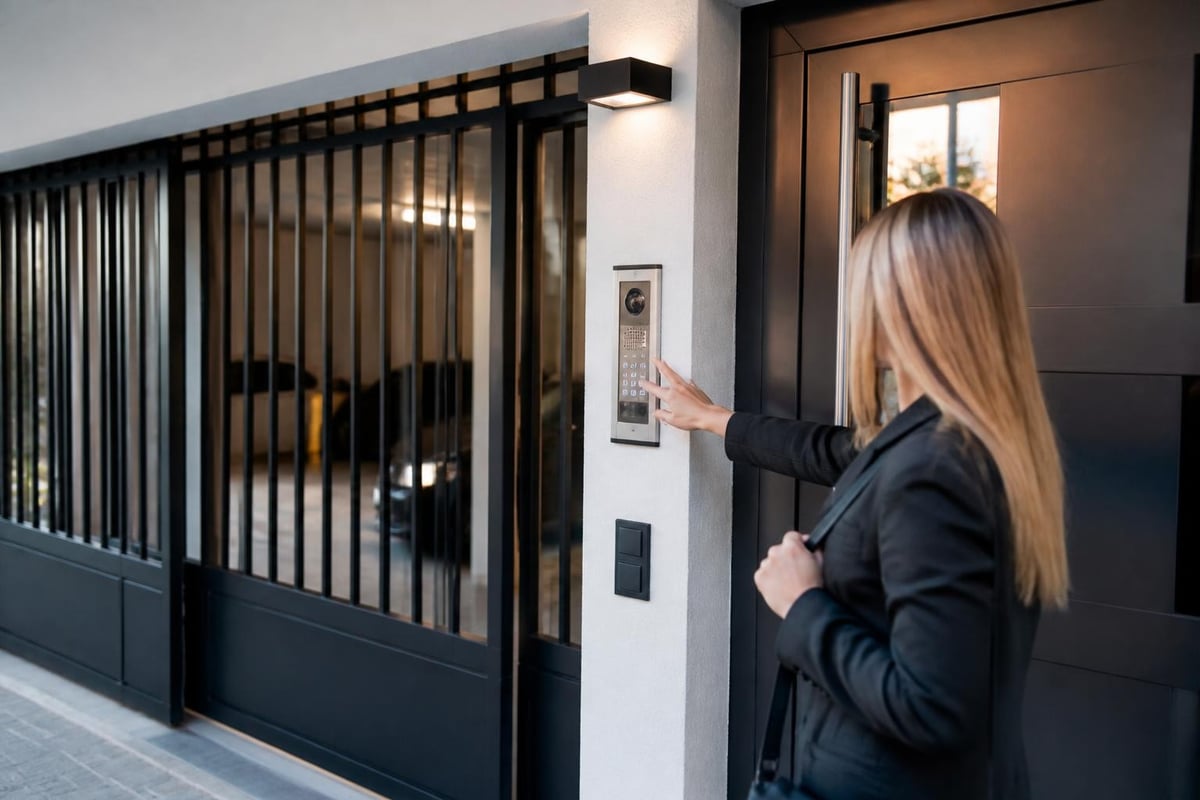
Integrated access control allows property managers to monitor and control both vehicular and pedestrian access through a single system:
| Control Method | Gate Application | Door Application | Best For |
|---|---|---|---|
| Keypad entry | PIN code access | Separate PIN or shared code | Residential, small commercial |
| Card readers | Proximity card or fob | Same credential system | Commercial facilities |
| Smartphone apps | Bluetooth or WiFi control | Remote lock/unlock | Modern residential |
| Intercom systems | Video verification | Remote release | Multi-tenant properties |
| Biometric scanners | Fingerprint or facial recognition | High-security access | Sensitive facilities |
Coordinating these systems allows for sophisticated access rules. For example, delivery personnel might receive temporary pedestrian door access without the ability to open the full gate, while residents enjoy unlimited access to both entry points.
Maintenance Requirements and Common Issues
Regular maintenance keeps your garage gate with door operating safely and reliably. Different components require different service intervals and attention.
Routine Maintenance Schedule
Monthly checks should include:
- Visual inspection of the pedestrian door for damage or wear
- Testing safety sensors and auto-reverse functions
- Checking door and gate alignment
- Lubricating hinges, rollers, and pivot points
Quarterly service adds:
- Tightening all fasteners and mounting hardware
- Inspecting electrical connections
- Testing emergency release mechanisms
- Checking weather sealing and replacing worn gaskets
Annual professional service provides comprehensive inspection and adjustment by experienced technicians who can identify developing issues before they cause failures. For Los Angeles property owners, Gates On Site offers same-day service with no extra emergency charges, ensuring quick response when issues arise.
Common Problems and Solutions
Understanding typical garage gate with door issues helps property owners respond appropriately:
Alignment problems occur when the gate frame shifts or settles over time. Symptoms include difficulty opening the pedestrian door, binding during gate operation, or visible gaps in the closed position. Professional realignment prevents accelerated wear and ensures proper security.
Motor and operator failures manifest as inconsistent operation, unusual noises, or complete failure to respond to commands. Electrical gate repair addresses wiring issues, control board failures, and sensor malfunctions that prevent normal operation.
Lock and latch issues affect both security and convenience. The pedestrian door lock must align precisely with the strike plate, while gate latches require proper engagement to secure the system. Seasonal temperature changes can shift components enough to affect alignment.
Energy Efficiency and Insulation Considerations
When a garage gate with door serves as an entry point to a conditioned space, energy efficiency becomes an important consideration. Proper insulation and sealing reduce heating and cooling costs while improving comfort.
Insulation Options
The Department of Energy’s guidance on insulation helps contractors and property owners select appropriate insulation levels. For garage gates with doors, several insulation strategies apply:
Sandwich panel construction incorporates rigid foam insulation between metal skins, providing R-values between R-8 and R-16 depending on thickness. This approach works well for both the main gate panels and the pedestrian door.
Injected foam insulation fills hollow door sections with expanding polyurethane foam after assembly. This method provides excellent thermal performance while adding structural rigidity.
Weatherstripping and seals around the pedestrian door frame prevent air infiltration. Quality weatherstripping can reduce energy loss by up to thirty percent compared to unsealed installations.
Climate-Specific Considerations
Different climates demand different approaches to garage gate with door design:
In hot, sunny climates like Los Angeles, light-colored finishes reflect solar heat and prevent excessive temperature buildup. Proper ventilation around the pedestrian door prevents heat accumulation even when the main gate remains closed.
In cold climates, insulation becomes critical to prevent ice formation on operating mechanisms and protect door hardware from freeze-thaw cycles. Heated threshold strips prevent ice accumulation that could prevent proper door closure.
Coastal environments require corrosion-resistant materials and protective finishes on all hardware. Stainless steel hinges, locks, and fasteners extend service life in salt-air conditions.
Emergency Access and Life Safety
A garage gate with door must provide reliable emergency access while maintaining security during normal operation. Life safety codes address these competing requirements through specific design and operational standards.
Egress Requirements
The NFPA 101 Life Safety Code establishes requirements for means of egress, including doors that serve as emergency exits. When your pedestrian door functions as an egress path from a garage or other structure, it must meet specific criteria:
- Minimum width: Typically thirty-two inches clear opening width
- Opening direction: Usually outward in the direction of egress travel
- Hardware: Panic hardware or single-motion egress devices on certain occupancies
- Power failure mode: Automatic locks must release or allow manual override during power outages
Professional installation ensures these requirements are met correctly based on your specific property type and local amendments to model codes.
Emergency Release Mechanisms
Both the vehicular gate and pedestrian door require emergency release capability. The gate operator must include a clearly marked manual release that allows operation during power failures. Similarly, if the pedestrian door includes electric locks, a manual override or automatic power-failure release ensures occupants can always exit.
Fire department access requirements may mandate Knox boxes or other rapid-entry systems that allow emergency responders to open both the gate and door without forced entry that would cause property damage.
Emergency release mechanisms for garage gates with doors: manual disconnect for gate operators, pedestrian door panic hardware, Knox box placement, and power-failure unlock sequences
Professional Installation vs. DIY Considerations
The complexity of a garage gate with door installation raises important questions about professional versus do-it-yourself approaches. While capable homeowners can tackle certain aspects, several factors favor professional installation.
Technical Complexity
Installing a garage gate with door involves multiple skilled trades:
Structural work includes setting posts, pouring concrete footings, and ensuring proper frame alignment. Errors in this foundation compromise long-term performance and safety.
Electrical installation for motorized gates requires running power circuits, installing control boards, connecting safety sensors, and programming access control systems. Licensed electricians should handle any work involving permanent electrical connections.
Mechanical assembly demands precision alignment of hinges, tracks, rollers, and operating mechanisms. Even small misalignments cause premature wear and operational problems.
For property owners in Los Angeles seeking professional assistance, Garage Door Repair services from experienced technicians ensure proper installation and immediate functionality. These professionals bring fully stocked service vehicles and over twenty years of experience to every installation.
Cost-Benefit Analysis
Professional installation typically costs more upfront but delivers several long-term benefits:
- Warranty protection: Manufacturer warranties often require professional installation
- Code compliance: Professionals understand local requirements and permit processes
- Time savings: Expert installers complete work faster with better results
- Safety assurance: Proper sensor installation and testing prevent entrapment injuries
- Performance optimization: Professional adjustment ensures smooth, reliable operation
DIY installation makes sense primarily for simple manual gates without automation, where structural demands are minimal and no electrical work is required.
Technology Integration and Smart Home Connectivity
Modern garage gate with door systems increasingly incorporate smart technology that enhances convenience, security, and monitoring capabilities. These connected systems integrate with broader home automation platforms.
Smart Gate Controllers
Contemporary gate operators offer features that traditional systems cannot match:
WiFi connectivity allows remote operation from smartphones anywhere with internet access. Property owners can open the pedestrian door for deliveries, grant temporary access to guests, or verify the gate closed properly after leaving.
Activity logging records every gate opening and door access event with timestamps and user identification. This audit trail provides security oversight and helps identify usage patterns.
Automated scheduling can lock the pedestrian door automatically at specific times while leaving the vehicular gate accessible, or restrict access to designated hours for different user groups.
Sensor integration connects the gate system to property-wide security networks, triggering cameras when the door opens or sending alerts if the gate remains open beyond a set duration.
Video Intercom Systems
Pairing a garage gate with door with video intercom technology creates a comprehensive access management solution:
- Visitor requests access via the intercom button
- Owner views live video on a smartphone or indoor monitor
- Two-way audio allows conversation to verify visitor identity
- Remote release opens either the pedestrian door or full gate as appropriate
- Recording archives maintain video of all access events
This technology particularly benefits commercial properties, gated communities, and residential estates where controlling and monitoring access is essential.
Customization and Aesthetic Integration
A garage gate with door represents a prominent architectural feature that significantly impacts property appearance. Thoughtful design ensures this functional element enhances rather than detracts from overall aesthetics.
Design Coordination
Successful installations coordinate the gate and door design with existing architectural elements:
Material matching ensures the gate complements building facades, fencing, and other structures. Wood gates pair naturally with traditional architecture, while contemporary properties often feature clean-lined metal designs.
Color and finish should harmonize with the broader property palette. Powder-coated finishes provide durable color in virtually any shade, while natural metal finishes like patinated copper or weathering steel create distinctive appearances.
Decorative elements such as custom ironwork, panel designs, or architectural details allow the garage gate with door to become a signature design feature rather than a purely utilitarian barrier.
Balancing Security and Appearance
Property owners often struggle to balance security needs with aesthetic preferences. Several strategies resolve this tension:
- Transparent panels: Incorporating wrought iron, laser-cut metal, or tempered glass maintains visual openness while providing security
- Decorative screening: Perforated metal panels offer privacy and security with interesting patterns and shadow effects
- Architectural lighting: Well-designed illumination enhances appearance while improving security through visibility
- Landscape integration: Strategic planting softens the structure's appearance without compromising functionality
The pedestrian door presents particular design opportunities. Custom door designs with windows, specialty hardware, or unique materials create visual interest at the human scale while the larger gate provides the backdrop.
A properly designed and maintained garage gate with door delivers years of reliable service while enhancing property security, convenience, and value. Understanding the design options, safety requirements, and maintenance needs ensures your installation meets both functional demands and aesthetic goals. When your system requires professional attention, Gates On Site provides same-day residential and commercial gate repair throughout Los Angeles with over twenty years of experience, fully stocked service vehicles, and emergency services at no extra charge.