
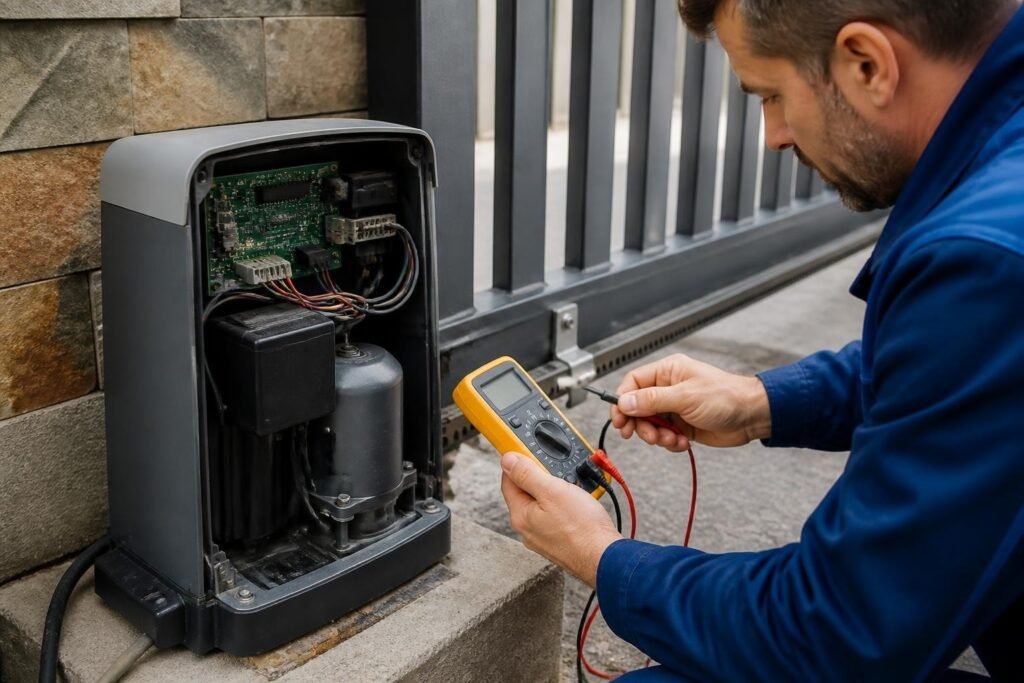
Gate motors are the backbone of modern automatic gate systems, providing convenient access control for residential properties and commercial facilities across Los Angeles. When these essential components fail, property owners face security concerns, access disruptions, and potential safety hazards. Understanding the fundamentals of gate motor repairs helps property managers and homeowners make informed decisions about maintenance, troubleshooting, and professional service interventions.
The complexity of automated gate systems means that motor failures rarely occur in isolation. A malfunctioning motor might stem from electrical issues, mechanical wear, control board failures, or environmental factors unique to Southern California's climate. Professional gate motor repairs require diagnostic expertise, specialized tools, and comprehensive knowledge of various motor types and manufacturers.
Understanding Gate Motor Systems and Common Failure Points
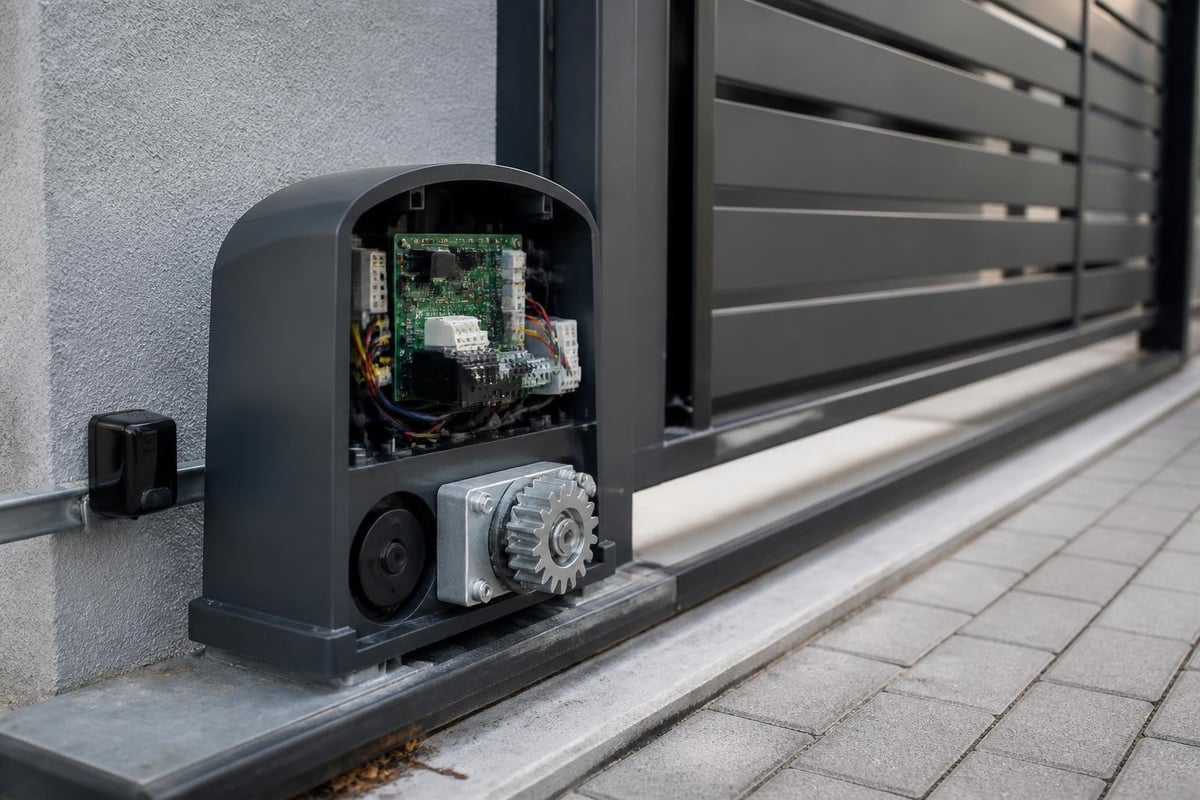
Electric gate motors convert electrical energy into mechanical motion, operating through gear systems that move sliding or swing gates. These systems integrate motors, control boards, sensors, safety devices, and power supplies into a coordinated network. When any component fails, the entire system may cease functioning properly.
Motor Types and Their Specific Vulnerabilities
Different gate configurations require distinct motor technologies, each with characteristic failure patterns:
- Linear actuator motors for swing gates suffer from seal degradation and rod corrosion
- Rack-and-pinion systems for sliding gates experience gear wear and alignment issues
- Underground motors face water intrusion and soil compression problems
- Articulated arm motors develop joint failures and hydraulic leaks
- Hydraulic motors require pressure maintenance and fluid level monitoring
The UK Health and Safety Executive guidance on powered gates emphasizes that regular inspection and maintenance significantly reduce motor failure rates and associated safety risks.
Environmental Factors Affecting Motor Longevity
Los Angeles's unique climate presents specific challenges for gate motor systems. Coastal properties experience salt air corrosion, while inland areas face extreme temperature fluctuations. Dust accumulation in motor housings reduces cooling efficiency, and UV exposure degrades protective casings over time.
| Environmental Factor | Impact on Motors | Preventive Measures |
|---|---|---|
| Salt air exposure | Accelerated corrosion of electrical contacts | Sealed enclosures, marine-grade components |
| Temperature extremes | Expansion/contraction of mechanical parts | Thermal management, quality lubricants |
| UV radiation | Casing degradation, wire insulation breakdown | UV-resistant materials, shaded installations |
| Dust and debris | Overheating, premature bearing failure | Regular cleaning, protective covers |
| Seismic activity | Alignment issues, structural stress | Proper mounting, flexible conduit |
Diagnostic Procedures for Gate Motor Repairs
Effective gate motor repairs begin with systematic diagnosis. Professional technicians follow structured troubleshooting protocols to identify root causes rather than treating symptoms. This approach saves time and prevents unnecessary component replacement.
Initial Assessment and Safety Verification
Before beginning any diagnostic work, technicians verify that safety devices function correctly. Photocells, pressure sensors, and emergency stop systems must operate properly to prevent injuries during testing. The Gate Safe organization provides comprehensive guides that outline proper safety verification procedures for powered gate systems.
Power supply testing establishes whether electrical issues contribute to motor failure. Technicians measure voltage at the transformer, control board, and motor terminals to identify drops that indicate wiring problems or insufficient capacity.
Systematic Component Testing
Professional diagnostics progress through a logical sequence:
- Visual inspection identifies obvious damage, loose connections, or environmental intrusion
- Power supply verification confirms adequate voltage and amperage delivery
- Control board testing evaluates signal processing and relay function
- Motor isolation determines whether the motor itself or associated components failed
- Mechanical assessment checks for binding, misalignment, or obstruction
- Sensor calibration ensures limit switches and safety devices operate at correct positions
When technicians at Gates On Site perform same-day electric gate repairs, they use fully stocked service vehicles containing diagnostic equipment and common replacement parts, enabling on-site resolution of most motor issues.
Common Gate Motor Repair Scenarios
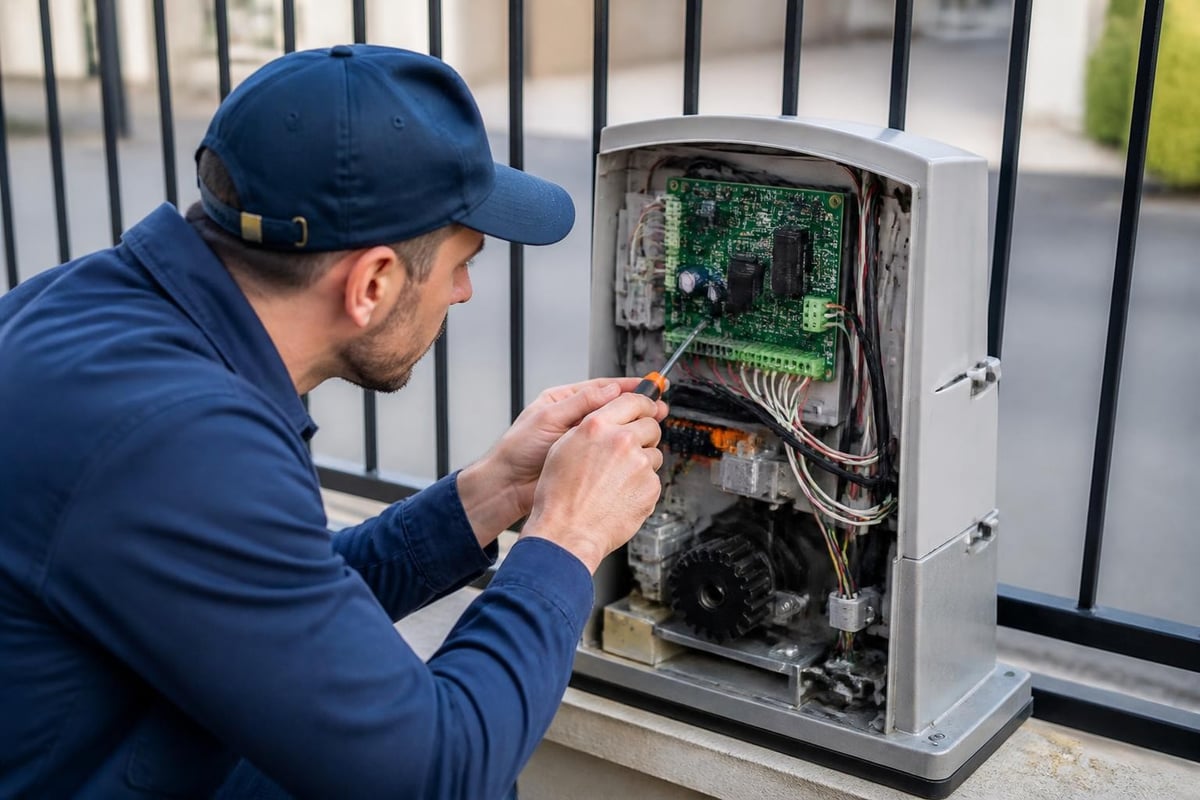
Gate motor repairs fall into predictable categories based on symptom patterns. Understanding these common scenarios helps property owners communicate effectively with repair technicians and set realistic expectations for repair timelines.
Motor Runs But Gate Doesn't Move
This frustrating situation typically indicates mechanical disconnection rather than motor failure. Gears may have stripped, drive chains broken, or coupling mechanisms failed. In sliding gates, the rack might have separated from the gate structure.
Diagnostic steps include:
- Manually disconnecting the motor and testing gate movement
- Inspecting gear engagement and coupling integrity
- Checking for broken chains or belts in chain-drive systems
- Verifying that mounting brackets haven't loosened or failed
Repairs often involve replacing worn gears, reinstalling chains, or tightening mounting hardware rather than motor replacement.
Motor Attempts to Start But Fails
When a motor hums or clicks without starting, electrical or mechanical binding prevents operation. Capacitor failure ranks among the most common causes, as these components degrade over time and lose their ability to provide starting current.
| Symptom | Probable Cause | Typical Repair |
|---|---|---|
| Humming sound | Failed start capacitor | Capacitor replacement |
| Clicking relay | Insufficient voltage | Power supply upgrade |
| Burning smell | Overheated windings | Motor replacement |
| Intermittent operation | Thermal overload cycling | Obstruction removal, motor sizing |
Complete System Failure
Total system unresponsiveness requires methodical electrical testing. Technicians verify power at the main breaker, transformer output, and control board input. Ground faults, tripped breakers, or failed transformers often cause complete shutdowns.
The NFPA 70B standard for electrical equipment maintenance establishes best practices for preventive maintenance programs that reduce unexpected electrical failures in gate motor systems.
Professional Gate Motor Repair Processes
Professional gate motor repairs follow standardized procedures that ensure safety, reliability, and longevity. Understanding these processes helps property owners appreciate the value of expert service versus DIY attempts.
Safety Lockout and System Isolation
Before beginning repairs, technicians implement lockout/tagout procedures to prevent accidental gate activation. Power disconnection, manual locks, and safety barriers protect workers and property occupants during service.
Emergency release mechanisms receive special attention during repairs. These systems must function correctly to allow manual gate operation during power outages or system failures, as outlined in guidance from the Door & Hardware Federation.
Component Replacement and Calibration
Motor replacement involves more than swapping units. Technicians must:
- Verify compatibility between new motors and existing control systems
- Program limit switches to stop gates at proper positions
- Adjust force settings to comply with safety standards
- Test all safety devices after installation
- Document changes for future reference
The BS EN 12453 standard specifies force limitation requirements that prevent gates from causing injury, making proper calibration essential during motor repairs.
Testing and Quality Assurance
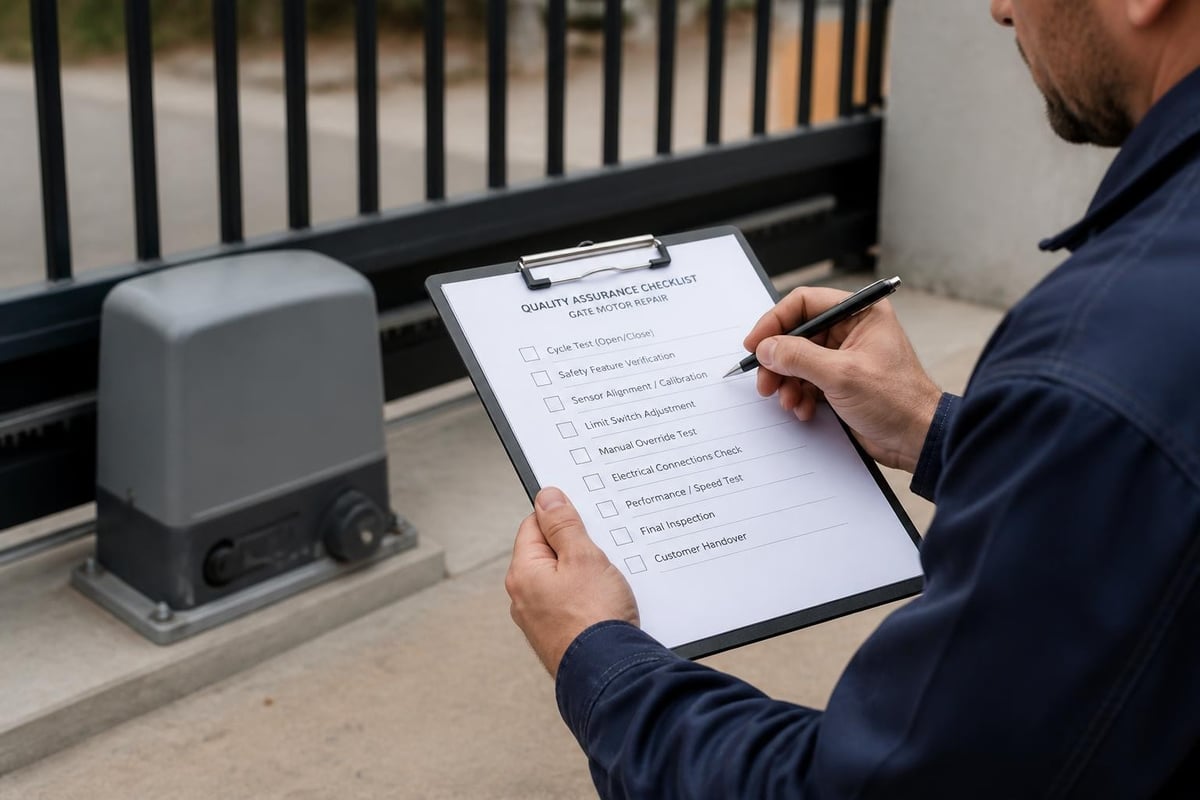
Completed repairs undergo comprehensive testing before technicians leave the site:
- Open/close cycle testing verifies smooth operation through full travel
- Obstruction testing confirms safety reversal functions properly
- Manual release testing ensures emergency access remains available
- Sensor alignment verification checks photocell and limit switch positioning
- Load testing evaluates motor performance under normal operating conditions
Preventive Maintenance to Extend Motor Life
Proactive maintenance significantly extends motor lifespan and reduces the frequency of emergency gate motor repairs. Property owners who invest in regular service avoid costly failures and maintain consistent security and access control.
Scheduled Inspection Elements
Quarterly inspections should evaluate:
- Lubrication levels in gear boxes and pivot points
- Belt or chain tension in drive systems
- Electrical connection tightness at terminal blocks
- Mounting bolt security for motor and bracket assemblies
- Seal integrity protecting motors from environmental intrusion
Annual professional inspections provide deeper analysis, including voltage measurement under load, thermal imaging to identify overheating components, and comprehensive safety device testing. The RoSPA guidance on inspection and maintenance offers frameworks applicable to private and commercial gate systems.
Cleaning and Environmental Protection
Regular cleaning prevents many common motor failures. Monthly removal of dust, leaves, and debris from motor housings maintains proper cooling. Coastal properties benefit from quarterly washing with fresh water to remove salt deposits before corrosion develops.
Protective measures include:
- Applying dielectric grease to electrical connections
- Installing rain shields over exposed components
- Sealing conduit entry points against moisture intrusion
- Maintaining vegetation clearance around motor installations
- Touching up paint on metal components to prevent rust
Motor Selection and Upgrade Considerations
Sometimes gate motor repairs reveal that the original motor was improperly sized or specified for the application. Upgrading to appropriate equipment prevents recurring failures and improves system performance.
Sizing Motors for Gate Weight and Usage
Motor selection depends on gate weight, wind loading, and duty cycle requirements. Residential gates with light usage patterns require less robust motors than commercial installations with hundreds of daily cycles.
| Gate Type | Weight Range | Recommended Motor Duty | Typical Lifespan |
|---|---|---|---|
| Residential swing | 200-500 lbs | Light duty, 30 cycles/day | 7-10 years |
| Commercial swing | 500-1000 lbs | Medium duty, 100 cycles/day | 5-7 years |
| Residential sliding | 500-1500 lbs | Medium duty, 50 cycles/day | 8-12 years |
| Commercial sliding | 1500-4000 lbs | Heavy duty, 300+ cycles/day | 4-6 years |
Undersized motors run continuously at maximum capacity, generating excessive heat and failing prematurely. Oversized motors waste energy but provide operational margin during extreme conditions.
Technology Upgrades During Repairs
Motor replacement presents opportunities to modernize gate systems with contemporary technology. Smart motor controllers enable smartphone operation, usage monitoring, and remote diagnostics that identify problems before complete failure occurs.
Battery backup systems ensure continued operation during power outages, critical for security-conscious properties. Solar charging options reduce operating costs while providing sustainable power for remote locations.
When to Repair Versus Replace Gate Motors
Not all motor problems justify repair investment. Cost-benefit analysis guides decisions between repairing existing motors and installing new equipment.
Repair Cost Thresholds
Generally, repairs costing more than 60% of replacement value favor new motor installation. However, this calculation must include:
- Labor costs for diagnosis and repair
- Availability of replacement parts for discontinued models
- Warranty coverage on new versus repaired equipment
- Energy efficiency improvements in modern motors
- Compatibility issues requiring control board upgrades
Signs That Replacement Makes Sense
Certain conditions strongly favor complete motor replacement:
- Motors older than manufacturer-specified service life
- Repeated failures requiring multiple repair visits
- Obsolete models with unavailable replacement parts
- Safety standard updates requiring modern features
- System expansions demanding greater capacity
For property owners needing reliable access control, investing in quality replacement motors often proves more economical than repeatedly repairing failing equipment.
Emergency Gate Motor Repair Considerations
Gate motor failures create security vulnerabilities and access disruptions that demand immediate attention. Understanding emergency repair options helps property owners respond effectively to urgent situations.
Temporary Solutions and Manual Operation
When motors fail completely, engaging manual release mechanisms allows gate operation until repairs occur. Property owners should familiarize themselves with emergency release procedures before failures happen.
Temporary fixes include:
- Bypassing failed photocells to restore basic operation
- Manually positioning gates and securing with padlocks
- Using portable barriers to control access temporarily
- Implementing security patrols during extended repair periods
Selecting Emergency Service Providers
Emergency gate motor repairs require technicians with broad experience across motor brands and gate configurations. The GTE gate guideline provides industry standards for safe design and maintenance that qualified technicians should understand and apply.
Reputable emergency services arrive with comprehensive parts inventory, eliminating delays waiting for special orders. They provide transparent pricing before beginning work and offer warranties on completed repairs.
Documentation and Compliance Requirements
Professional gate motor repairs include proper documentation that satisfies insurance requirements, liability protection, and regulatory compliance.
Maintenance Records and Service History
Detailed service records prove compliance with safety standards and manufacturer maintenance schedules. Documentation should include:
- Date and description of all service performed
- Parts replaced with manufacturer and model numbers
- Technician certifications and licensing information
- Test results for safety device verification
- Photographic evidence of conditions found and corrected
These records become invaluable during insurance claims, property sales, or liability investigations following gate-related incidents.
Regulatory Compliance Considerations
Commercial properties face stricter compliance requirements than residential installations. Local building codes, accessibility standards, and safety regulations govern motor specifications, installation methods, and maintenance frequencies. Some jurisdictions require annual professional inspections with documented compliance certification.
Regular maintenance and prompt professional intervention keep automated gate systems functioning safely and reliably for years. When motor problems arise, systematic diagnosis and expert repair restore security and convenience while preventing costly emergency failures. Gates On Site provides same-day gate motor repairs throughout Los Angeles, bringing over 20 years of experience and fully stocked service vehicles directly to residential and commercial properties at no extra charge for emergency service.