
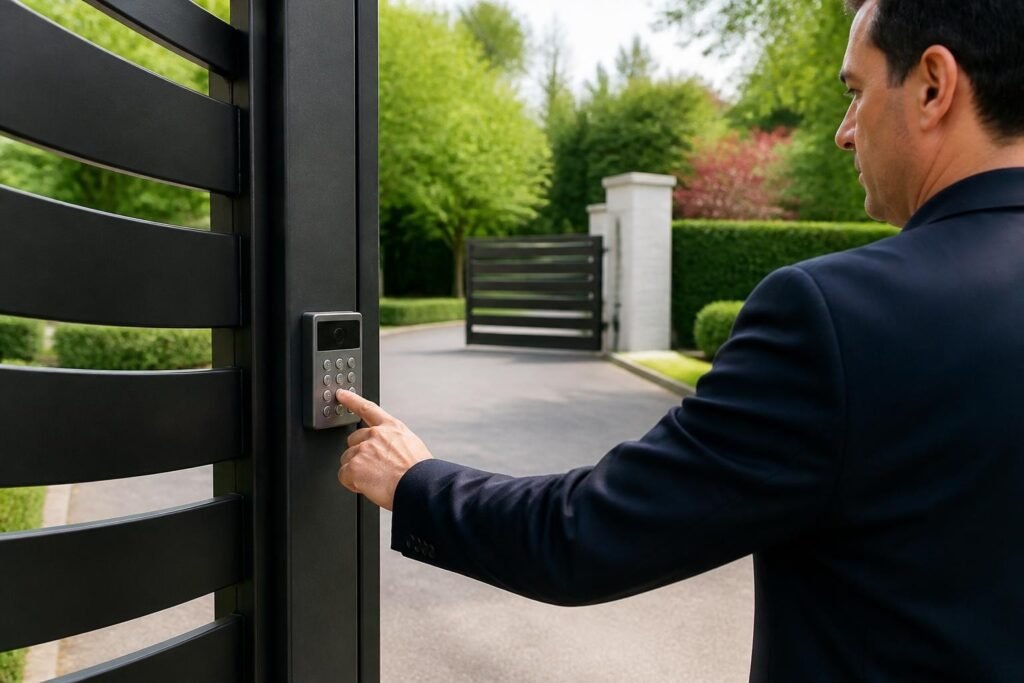
Modern property security begins at the entrance, where gate opening systems serve as the first line of defense and convenience for both residential and commercial properties. These automated solutions have evolved from simple mechanical openers to sophisticated systems integrating access control, safety features, and smart technology. Whether you're managing a gated community, securing a commercial facility, or protecting your home in Los Angeles, understanding how these systems work and what to look for ensures you make informed decisions about installation, operation, and ongoing maintenance.
Understanding Gate Opening System Components
Gate opening systems consist of several interconnected components that work together to provide secure, reliable access control. At the core lies the operator or motor unit, which provides the mechanical force needed to move the gate. These operators come in various configurations including sliding gate operators, swing gate operators, and overhead/vertical lift systems, each designed for specific gate types and weight capacities.
The control board serves as the brain of gate opening systems, interpreting signals from access devices and managing the opening and closing sequences. Modern control boards feature programmable settings for speed, force limits, and timer functions that allow customization based on traffic patterns and security requirements.
Power Supply and Backup Systems
Reliable operation requires consistent power delivery. Most gate opening systems connect to standard electrical service, but battery backup systems have become essential components for properties requiring uninterrupted access. Solar-powered systems offer alternatives for remote locations or environmentally conscious installations, combining photovoltaic panels with battery storage to maintain operation during grid outages.
Key power considerations include:
- Voltage requirements (typically 12V, 24V, or 120V AC)
- Peak current draw during gate movement
- Battery capacity for backup systems (measured in amp-hours)
- Solar panel sizing for daily energy needs
- Integration with property emergency power systems
Types of Gate Opening Systems by Mechanism
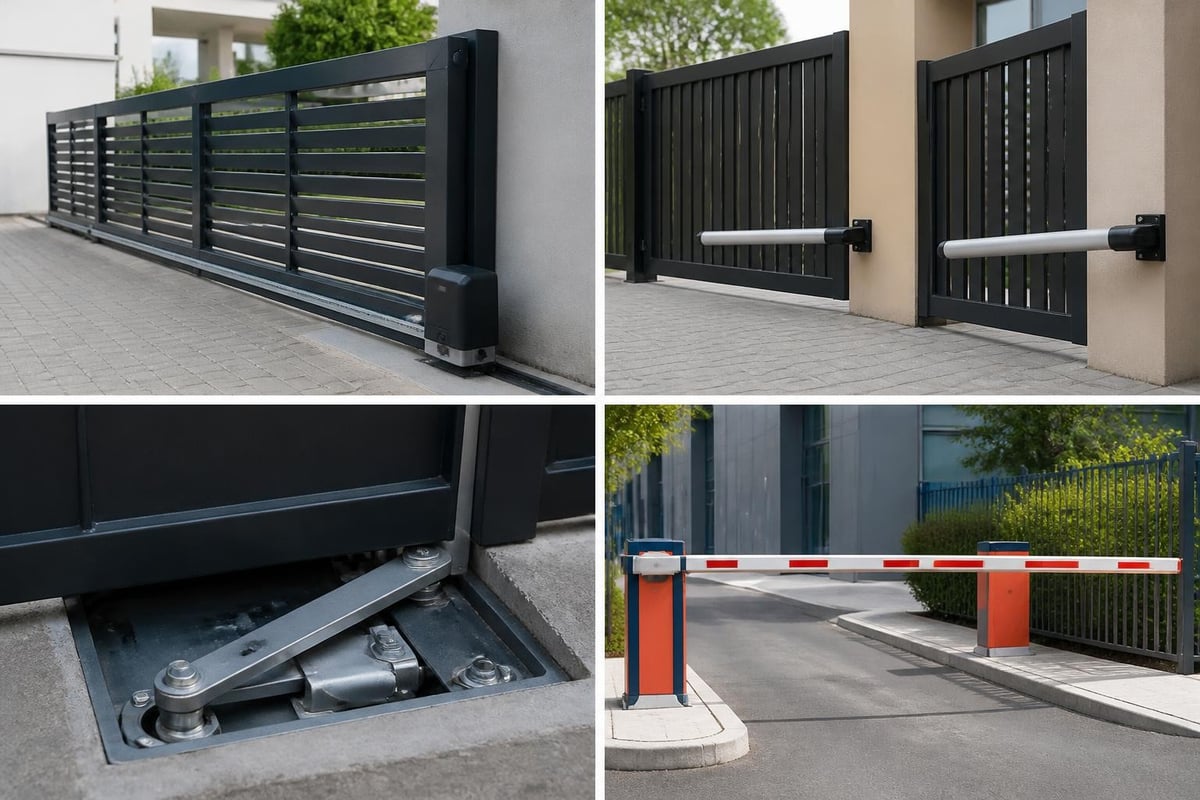
Different properties require different automation approaches. Sliding gate systems move horizontally along a track, making them ideal for properties with limited swing clearance or steep driveways. These systems typically use chain-drive, rack-and-pinion, or screw-drive mechanisms to achieve smooth, consistent movement for gates weighing several hundred to thousands of pounds.
Swing gate systems operate more like traditional doors, with single or dual leaves that pivot on hinges. Underground operators hide beneath the driveway for aesthetic installations, while surface-mounted ram-style or articulated arm operators offer easier maintenance access and installation flexibility. The choice between these configurations depends on gate weight, wind exposure, and desired appearance.
| System Type | Weight Capacity | Space Required | Maintenance Access | Typical Application |
|---|---|---|---|---|
| Sliding Chain Drive | Up to 2,500 lbs | Linear track length | Easy, above-ground | Commercial, industrial |
| Swing Underground | Up to 800 lbs per leaf | Arc clearance | Difficult, below-grade | High-end residential |
| Swing Articulated Arm | Up to 1,000 lbs per leaf | Arc clearance | Easy, above-ground | Residential, light commercial |
| Vertical Lift | Up to 5,000 lbs | Overhead clearance | Moderate, elevated | Parking facilities |
Barrier Gate and Specialty Systems
Traffic control applications often utilize barrier arm systems, which provide rapid cycle times for high-volume entry points. These lightweight arms move quickly and integrate easily with parking management systems, making them standard choices for parking structures, toll plazas, and building access points.
Vertical lift and cantilever systems address unique architectural challenges where horizontal or swinging movement isn't feasible. These specialized gate opening systems require careful engineering but solve access problems in constrained spaces or locations with specific aesthetic requirements.
Access Control Integration
Gate opening systems achieve their full security potential when paired with appropriate access control devices. The most common integration points include vehicle loop detectors embedded in the pavement that sense approaching vehicles and automatically trigger gate opening sequences. These inductive loops create electromagnetic fields that detect metal objects, providing hands-free exit control while maintaining security perimeters.
Keypad and card reader systems offer the most common manual access methods. Modern keypads support individual user codes with time-based restrictions and audit logging, while proximity card readers provide faster entry with less user interaction. Mobile credentials using Bluetooth or NFC technology have gained popularity, allowing property managers to issue and revoke access remotely without distributing physical devices.
Access control options ranked by security level:
- Biometric readers (fingerprint, facial recognition)
- Multi-factor systems (card plus PIN)
- Encrypted proximity cards with facility codes
- Keypad with regularly rotated codes
- Remote controls with rolling codes
- Fixed-code keypads or transmitters
- Vehicle loop detector (exit only)
The UL 325 standard establishes critical safety requirements for gate operators that affect both installation and access control integration, ensuring that automated systems include appropriate safeguards regardless of activation method.
Safety Standards and Compliance Requirements
Safety represents the paramount concern for gate opening systems, particularly given their potential to cause serious injury or property damage. The ASTM F2200-24 standard provides comprehensive specifications for automated vehicular gate construction, addressing entrapment protection, force limits, and safety device requirements that manufacturers and installers must follow.
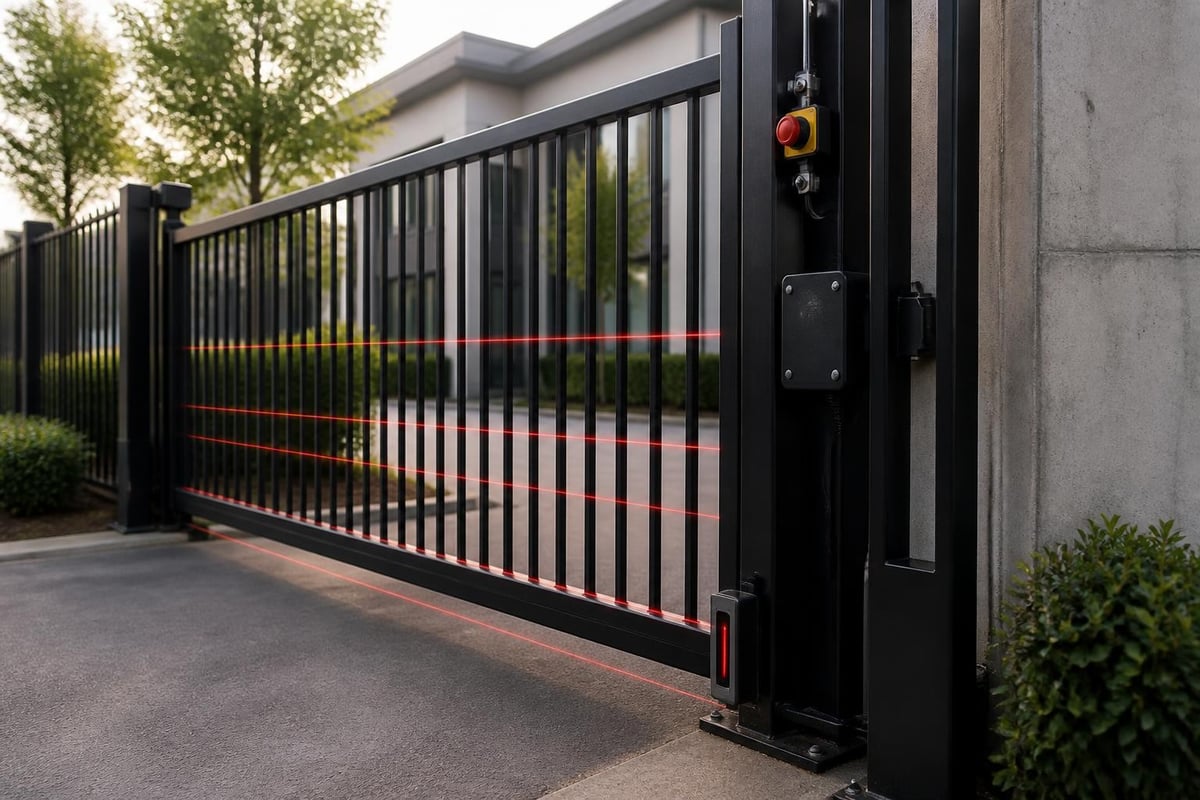
Modern gate opening systems incorporate multiple safety layers. Photoelectric sensors create invisible beams across the gate path, immediately stopping or reversing movement when interrupted. Edge sensors mounted on the gate's leading edge detect physical contact and trigger emergency stops. These devices work in concert with force-limiting controls that prevent the gate from exerting excessive pressure if it encounters an obstruction.
Entrapment Protection Zones
Safety standards identify specific entrapment zones where users or bystanders might become caught during gate operation. External entrapment occurs in the space between the gate and adjacent structures, while internal entrapment happens within the gate's own framework. Comprehensive safety systems monitor all identified zones using combinations of sensors, physical guards, and operational controls.
For properties serving the public, ADA Standards for accessible design include specific requirements for gates and entrances. Accessible gate opening systems must provide sufficient maneuvering clearance, appropriate opening forces, and alternative entry methods for individuals with disabilities.
Smart Technology and Connected Systems
The integration of Internet of Things (IoT) technology has transformed gate opening systems into connected security platforms. Cloud-based management systems enable property managers to monitor gate status, review access logs, and modify permissions from any internet-connected device. Real-time alerts notify administrators of unauthorized access attempts, maintenance issues, or system malfunctions.
However, connectivity introduces cybersecurity considerations. The NIST IoT Advisory Board recommendations address supply chain security and device management for connected systems like smart gates. Property owners should implement network segmentation, isolating gate controllers from primary business networks to contain potential security breaches.
The NIST Cybersecurity Practice Guide for IoT devices recommends specific mitigations including manufacturer usage descriptions (MUD) and network isolation strategies particularly relevant to connected gate opening systems in commercial environments.
Smart gate capabilities include:
- Remote operation via mobile apps
- Scheduled access for deliveries or services
- Integration with property management software
- Video verification before granting access
- Predictive maintenance alerts
- Usage analytics and reporting
- Visitor management and temporary credentials
Installation Considerations and Site Assessment
Proper installation begins with thorough site assessment. Soil conditions affect foundation requirements for both gate posts and operator mounting pads. Unstable or expansive soils may require deeper footings or engineered solutions to prevent settling or misalignment. Professional gate installers evaluate drainage patterns to ensure water doesn't accumulate around electrical components or undermine structural supports.
Electrical service placement impacts both installation costs and long-term reliability. Gate opening systems require dedicated circuits with appropriate amperage for the operator specifications. Distance from the main electrical panel affects wire gauge requirements and voltage drop calculations, particularly important for larger commercial installations.
Wind loads represent a critical design factor, especially for solid panel gates in exposed locations. Engineers calculate wind pressure based on gate surface area, local wind speed data, and mounting height to ensure operators have sufficient force reserves. Coastal areas or locations with frequent high winds may require upgraded operators or structural reinforcements.
Professional vs. DIY Installation
While homeowners can install basic residential gate opening systems, professional installation offers significant advantages. Licensed technicians understand local code requirements, proper grounding techniques, and safety device placement that ensures compliance with current standards. They carry insurance protecting property owners from liability if installation errors cause injury or damage.
For commercial properties, professional installation becomes essential. Commercial gate repair specialists like Gates On Site bring decades of experience ensuring installations meet business operational requirements while satisfying regulatory compliance for employee and visitor safety.
Maintenance Requirements and Service Intervals
Gate opening systems require regular maintenance to ensure reliable operation and extend equipment lifespan. Monthly visual inspections should check for obvious damage, loose mounting bolts, worn wheels or rollers, and proper alignment. Operators should test all safety devices including photoelectric sensors, edge sensors, and emergency stop functions to verify proper operation.
Quarterly maintenance includes lubricating moving parts such as hinges, wheels, chains, and pivot points using appropriate lubricants for the climate and application. Track systems need cleaning to remove debris that could interfere with smooth gate movement. Battery backup systems require voltage testing and connection inspection to ensure they'll provide power during outages.
| Maintenance Task | Frequency | DIY-Friendly | Professional Required |
|---|---|---|---|
| Visual damage inspection | Monthly | Yes | No |
| Safety device testing | Monthly | Yes | Recommended |
| Lubrication of moving parts | Quarterly | Yes | No |
| Track cleaning and alignment | Quarterly | Yes | For major adjustments |
| Electrical connection inspection | Semi-annually | No | Yes |
| Operator service and adjustment | Annually | No | Yes |
| Battery replacement | 3-5 years | Sometimes | Recommended |
| Complete system overhaul | 10-15 years | No | Yes |
Annual professional service provides comprehensive system evaluation. Technicians measure force settings to ensure they remain within safe limits, inspect internal operator components for wear, verify control board programming, and test backup power systems under load. This preventive maintenance identifies potential failures before they cause system downtime or safety hazards.
Common Problems and Troubleshooting
Understanding common gate opening system failures helps property managers respond appropriately when issues arise. Intermittent operation often indicates electrical problems such as loose connections, corroded terminals, or voltage fluctuations. These issues may manifest as gates that work sometimes but fail under specific conditions like hot weather or after rain.
Gates that open but won't close typically experience safety sensor problems. Misaligned photoelectric beams, dirty sensor lenses, or damaged edge sensors can prevent closing sequences from completing. Before calling for service, checking sensor alignment and cleaning lenses often resolves these issues quickly.
Motor and Operator Failures
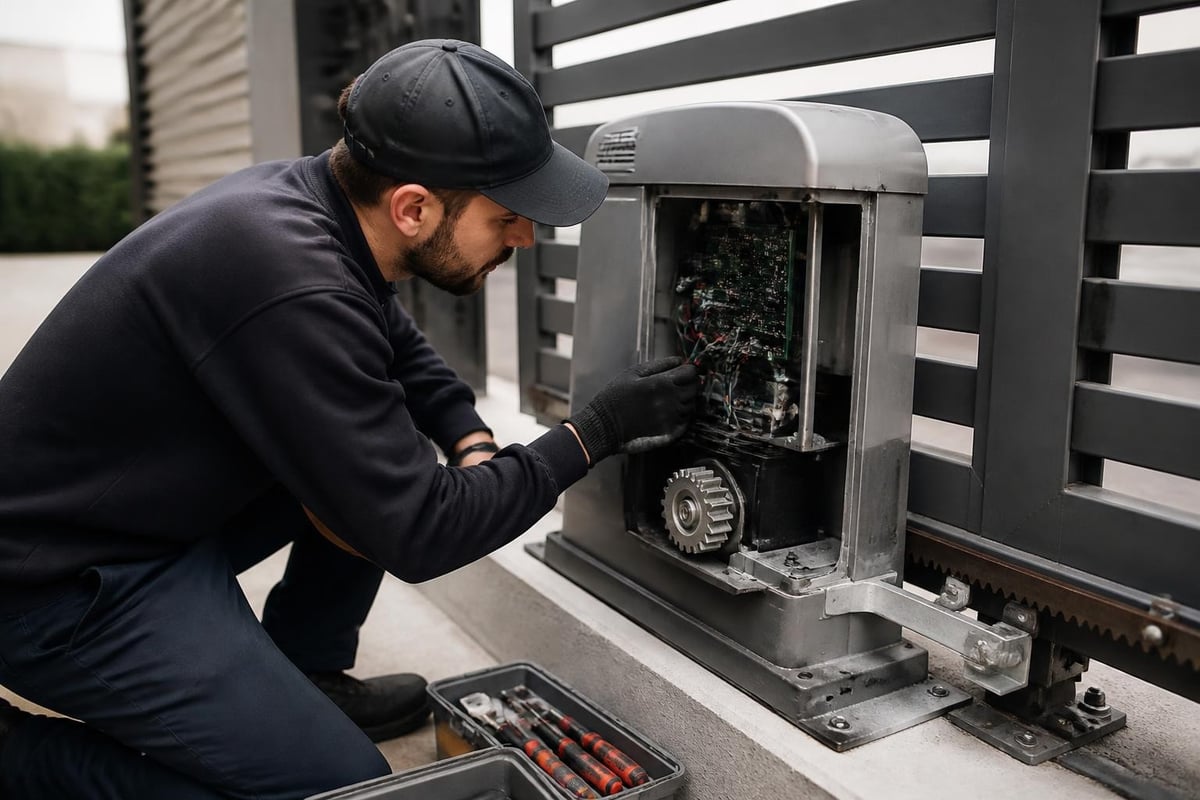
Complete operator failure may result from tripped circuit breakers, blown fuses, or internal component damage. Checking the electrical panel for tripped breakers or disconnected safety switches represents a simple first step. If power reaches the operator but the gate doesn't move, internal motor damage, gear failure, or control board malfunction requires professional diagnosis and repair.
Unusual noises during operation signal mechanical problems requiring attention. Grinding sounds suggest worn gears or inadequate lubrication, while clicking may indicate relay problems or loose connections. Squealing often points to worn wheels, misaligned tracks, or binding hinges that need adjustment or replacement.
When gate opening systems experience motor problems or won't respond to controls, electric gate repair services can diagnose issues quickly and implement solutions using fully stocked service vehicles, minimizing downtime for residential and commercial properties.
Choosing the Right System for Your Property
Residential properties prioritize aesthetics and convenience when selecting gate opening systems. Homeowners typically choose swing gates for their traditional appearance or sliding systems when driveway slopes or limited space make swing gates impractical. Quiet operation becomes important in residential neighborhoods, favoring belt-drive or screw-drive mechanisms over noisier chain-drive systems.
Commercial properties emphasize durability and traffic capacity. High-cycle operators designed for frequent daily use prevent premature wear in busy facilities. Industrial-grade components withstand harsh environments including extreme temperatures, salt exposure, or chemical atmospheres that would quickly damage residential-grade equipment.
Selection factors by property type:
Residential Estates:
- Aesthetic appeal and property value enhancement
- Moderate duty cycle (10-20 operations daily)
- Quiet operation (below 60 dB)
- Integration with home automation systems
- Battery backup for convenience during outages
Gated Communities:
- Higher duty cycle (50-200 operations daily)
- Multiple access methods (resident tags, visitor codes)
- Traffic management during peak hours
- Centralized monitoring and control
- Compliance with community association requirements
Commercial/Industrial:
- Heavy-duty cycle rating (200+ operations daily)
- Fast operating speeds for traffic flow
- Integration with security and time-tracking systems
- Redundant safety systems
- Weather-resistant components for outdoor installation
Cost Factors and Budget Planning
Gate opening system costs vary widely based on gate size, operator type, and feature complexity. Basic residential sliding gate operators start around $800-1,200 for equipment, while commercial-grade systems for large or heavy gates can exceed $5,000. Installation labor typically adds $500-2,000 depending on electrical requirements, distance from power sources, and site preparation needs.
Access control integration significantly impacts total project costs. Simple keypad systems add $200-500, while sophisticated card reader or biometric systems with network connectivity can add $2,000-10,000 for commercial installations. Cloud-based management platforms often charge monthly subscription fees ranging from $20-100 per gate depending on features and user capacity.
Long-term ownership costs include electricity consumption, typically $5-15 monthly for residential systems with moderate use. Maintenance contracts providing quarterly service and annual inspections range from $300-800 annually. Setting aside reserves for eventual component replacement ensures funds are available when operators, control boards, or access devices reach end-of-life after 10-15 years of service.
Upgrading Existing Manual Gates
Converting manual gates to automated operation offers convenience without complete gate replacement. Retrofit installations require structural assessment to verify existing gates can withstand automated operation forces and cycling. Gates originally designed for manual use may need reinforcement, particularly older wooden or ornamental iron gates with decorative elements but limited structural integrity.
Existing gate posts must provide adequate strength and stability for operator mounting. Posts that have settled, rotted (wood), or corroded (metal) need replacement or reinforcement before automation. Foundation requirements for automated systems exceed manual gate needs because operators exert sustained directional forces that can gradually loosen inadequate mountings.
Electrical infrastructure represents the primary addition for retrofit projects. Running conduit from electrical panels to gate locations, installing weatherproof junction boxes, and providing proper grounding ensures safe, code-compliant installations. Properties without nearby power sources may require trenching across driveways or landscaping, adding considerably to project costs and complexity.
Selecting and maintaining gate opening systems requires balancing security needs, operational requirements, and budget constraints while ensuring safety compliance and reliable long-term performance. Whether you're installing a new automated gate, upgrading an existing manual system, or troubleshooting problems with current equipment, professional expertise ensures optimal results. Gates On Site provides comprehensive gate repair and maintenance services throughout Los Angeles, with over 20 years of experience in residential and commercial installations, same-day emergency service, and fully equipped technicians ready to solve any gate system challenge.