
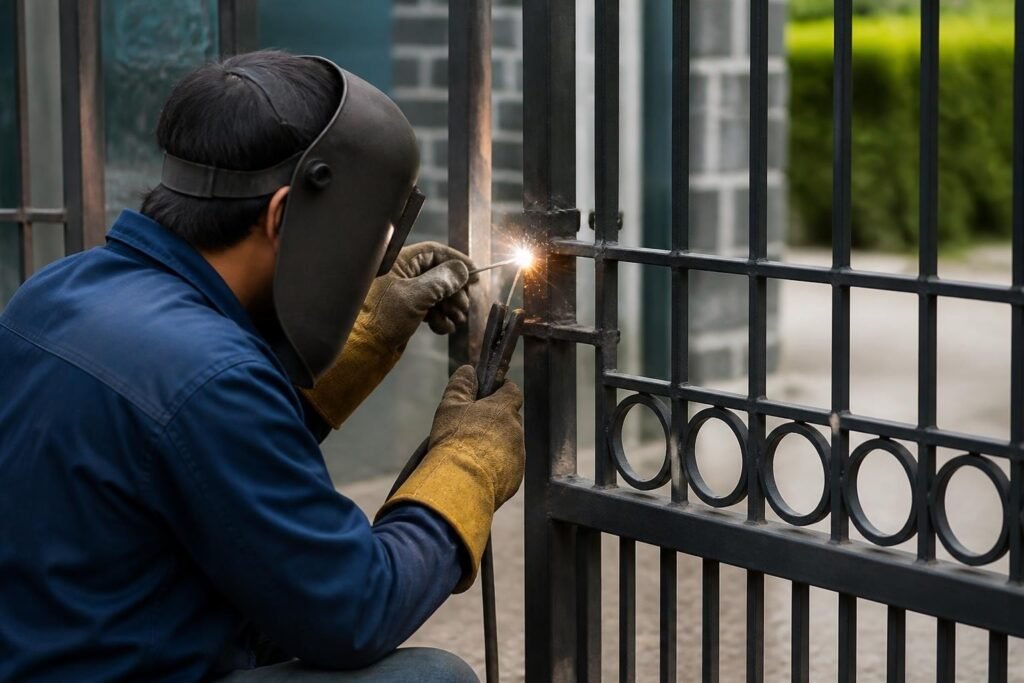
Metal gates serve as the first line of security and aesthetic appeal for residential and commercial properties, but exposure to weather, frequent use, and structural stress can lead to deterioration over time. Property owners in Los Angeles and across the country face common challenges including rust, misalignment, broken hinges, and structural fatigue. Understanding when to repair versus replace, which techniques deliver lasting results, and how to prevent future damage can save thousands of dollars while maintaining the security and curb appeal that metal gates provide. This comprehensive guide explores professional metal gate repairs, covering inspection protocols, repair methodologies, material considerations, and maintenance strategies that extend gate lifespan.
Comprehensive Inspection and Damage Assessment
Before any repair work begins, a thorough inspection identifies the full scope of damage and underlying causes. Professional technicians examine structural components, hardware, finish condition, and operational characteristics to develop an accurate repair plan.
Visual and Structural Evaluation
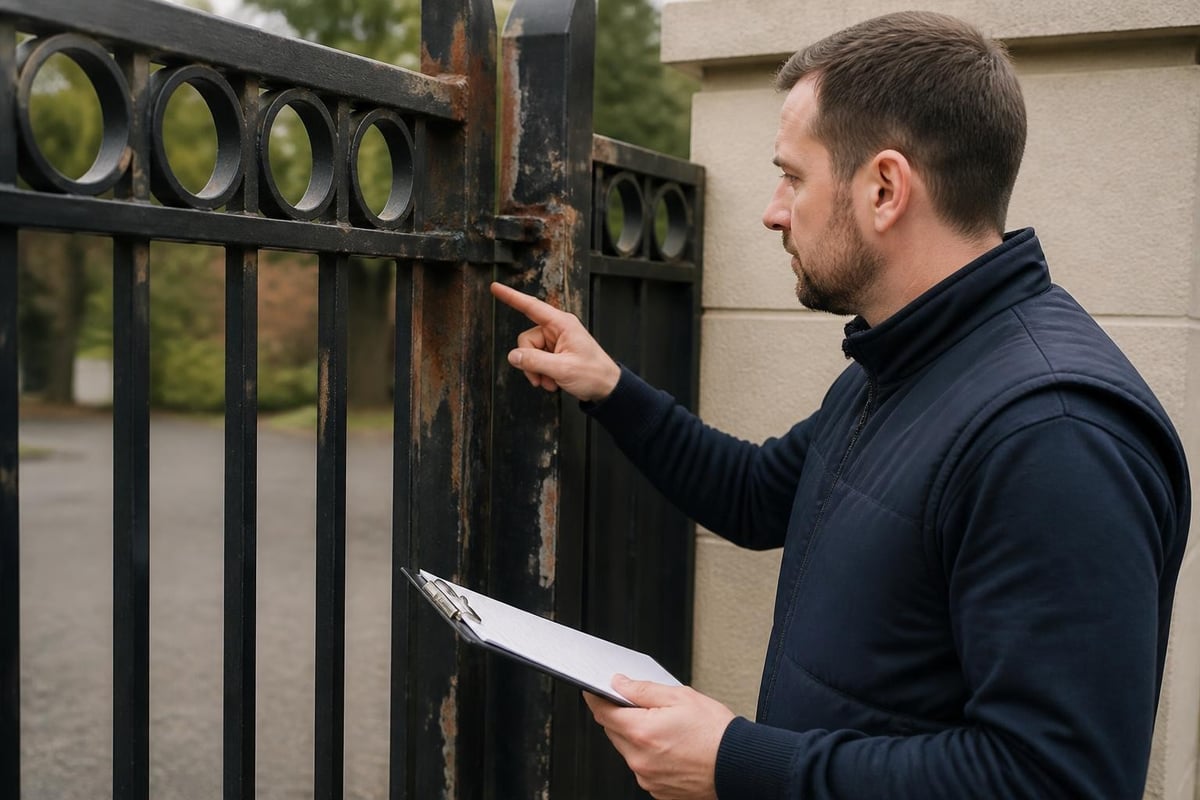
Start by documenting visible damage through photographs and detailed notes. Look for rust penetration, weld cracks, bent rails, loose fasteners, and paint failure. Measure any deviation from vertical or horizontal alignment using a level and tape measure. Check ground clearance and ensure the gate swings or slides without obstruction.
Key inspection points include:
- Hinge condition, pin wear, and mounting plate integrity
- Weld joints for cracks, separation, or visible stress lines
- Frame squareness and dimensional stability
- Post foundation stability and vertical alignment
- Hardware corrosion, missing bolts, and fastener tightness
- Surface coating condition and substrate exposure
For powered gates, inspect the operator mounting, chain or arm connections, limit switches, and safety devices. Test the manual override mechanism and verify that emergency release functions operate smoothly. Document any unusual sounds during operation that might indicate bearing wear or motor strain.
Corrosion Depth and Material Analysis
Understanding corrosion severity determines whether surface treatment suffices or if component replacement becomes necessary. Use a wire brush to remove loose rust and reveal the depth of metal loss. Pitting corrosion that penetrates more than 20% of the original material thickness typically requires replacement rather than repair.
The Institute of Corrosion provides technical resources on corrosion mechanisms and assessment methods that help professionals evaluate damage severity. Different metals corrode at different rates depending on environmental exposure, alloy composition, and protective coatings.
| Corrosion Level | Description | Repair Approach |
|---|---|---|
| Surface | Light rust, intact base metal | Clean, prime, paint |
| Moderate | Pitting <10% thickness, stable | Grind, fill, coat |
| Severe | Pitting 10-20%, weakened areas | Patch weld, reinforce |
| Critical | >20% loss, structural compromise | Replace component |
Common Metal Gate Failure Modes
Metal gate repairs address predictable failure patterns driven by environmental exposure, mechanical stress, and material fatigue. Recognizing these patterns helps prioritize repairs and prevent cascading damage.
Rust and Corrosion Damage
Ferrous metals without adequate protection develop rust when exposed to moisture and oxygen. Salt air in coastal areas, road de-icing chemicals, and industrial pollutants accelerate corrosion rates. Rust expansion creates stress that cracks welds and joints while weakening structural members.
Early-stage surface rust requires mechanical removal using wire wheels, sandblasting, or chemical conversion. Apply phosphoric acid-based rust converters to stabilize remaining oxides, then prime with zinc-rich or epoxy primers before topcoat application. Advanced corrosion with metal loss needs cutting out damaged sections and welding in replacement material.
The International Zinc Association offers authoritative guidance on galvanizing and zinc coatings that provide superior long-term protection compared to paint systems alone. Hot-dip galvanizing creates a metallurgical bond that protects steel even when scratched or abraded.
Hinge Wear and Misalignment
Repeated swing cycles wear hinge pins, bushings, and mounting plates. Gravity amplifies wear on heavy gates, while side loads from wind or impact create additional stress. Worn hinges allow the gate to sag, binding against the latch post or dragging on the ground.
Hinge repair options range from replacing pins and bushings to installing oversized reinforcement plates. For severe sagging, jack the gate to proper height, weld additional support brackets, and install heavy-duty continuous hinges designed for commercial applications. Always verify post verticality and concrete foundation integrity before addressing hinge issues.
Weld Failure and Structural Cracks
Thermal stress, vibration, and fatigue cause welds to crack over time. Poor original welding technique, inadequate penetration, or wrong filler metal selection create weak joints prone to failure. Cracks typically initiate at weld toes where stress concentrations are highest.
The American Welding Society publishes standards for structural welding that specify proper procedures, filler materials, and inspector qualifications. Metal gate repairs involving structural welds should follow AWS D1.1 (structural steel) or D1.2 (aluminum) depending on base material. Grind out cracked welds completely, prepare proper joint geometry, preheat if required, and use qualified welders who understand metallurgy and heat-affected zone control.
Professional Repair Techniques and Methods
Effective metal gate repairs combine traditional metalworking skills with modern materials and technologies. The specific approach depends on gate type, damage severity, budget constraints, and desired service life extension.
Surface Preparation and Rust Remediation
Proper surface preparation determines coating adhesion and longevity. For metal gate repairs to last, remove all rust, mill scale, old paint, and contaminants down to clean metal. Abrasive blasting achieves the best profile, but mechanical grinding, sanding, and chemical stripping also work when properly executed.
Multi-step surface preparation:
- Remove loose rust and paint with wire brushing or power tools
- Grind weld areas to bright metal for inspection and repair
- Degrease using solvent wipes or alkaline cleaners
- Apply abrasive blasting (80-120 grit aluminum oxide) for near-white finish
- Sweep and air-blow dust before primer application within 4 hours
Understanding corrosion protection fundamentals helps professionals select coating systems matched to environmental exposure. Coastal, industrial, and high-humidity locations require more robust protection than arid inland areas.
Welding Repairs for Structural Integrity
Structural welding restores load-bearing capacity to cracked or broken components. Match filler metal to base material composition and use appropriate welding processes. Stick welding (SMAW) works well for field repairs on thick steel, while MIG (GMAW) offers faster deposition for thinner materials. TIG (GTAW) provides precise control for ornamental work and aluminum gates.
Before welding, remove all paint, galvanizing, and contaminants within six inches of the repair zone. Preheat heavy sections to reduce thermal shock and prevent cracking in the heat-affected zone. Use proper interpass temperatures and post-weld cooling rates to avoid creating brittle microstructures.
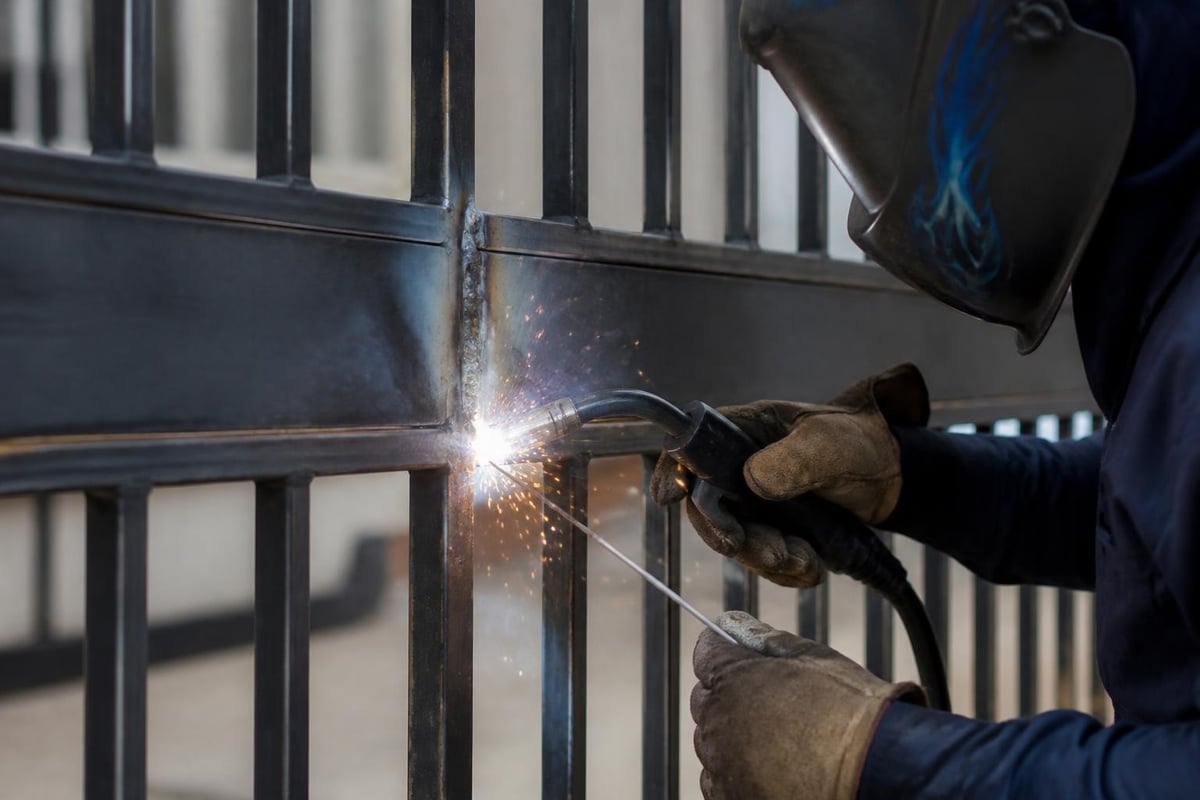
For electric gate repair projects involving automated systems, coordinate structural welding with electrical components to prevent damage to motors, control boards, and wiring from arc strikes or heat transfer.
Component Replacement and Upgrades
When repair costs approach replacement costs or damage compromises safety, installing new components makes economic sense. Modern hinges, latches, and hardware offer improved corrosion resistance and load capacity compared to components installed decades ago.
| Component | Repair Threshold | Replacement Benefits |
|---|---|---|
| Hinges | >30% pin wear | Sealed bearings, higher capacity |
| Posts | Foundation failure | Deeper footing, larger diameter |
| Frame rails | >20% corrosion | Galvanized tubing, lighter weight |
| Locks | Mechanism freeze | Weather-resistant, keyless options |
Match replacement components to existing styles when maintaining historic character matters. Historic Scotland provides detailed guidance on preserving and repairing historic metal gates using traditional techniques and compatible materials.
Protective Coatings and Finish Systems
The coating system applied after structural repairs determines how long metal gate repairs last. Multi-coat systems that combine complementary technologies provide superior protection compared to single-layer approaches.
Primer Selection for Long-Term Adhesion
Primers create the critical bond between bare metal and topcoats while providing corrosion inhibition. Zinc-rich primers (65%+ zinc by weight) offer galvanic protection where the zinc sacrificially corrodes before the steel substrate. Epoxy primers provide excellent adhesion and chemical resistance. Urethane primers combine flexibility with moisture barrier properties.
Apply primers at recommended dry-film thickness (2-3 mils typical) using spray equipment for uniform coverage. Pay special attention to weld seams, corners, and crevices where moisture accumulates. Allow proper cure time before topcoat application to ensure good intercoat adhesion.
Topcoat Options for Durability
Polyurethane and acrylic-urethane topcoats deliver excellent UV resistance, color retention, and scratch resistance for exposed metal gates. Two-component systems outperform single-component products but require proper mixing and faster application before pot life expires.
Apply two topcoats at 1.5-2 mils each for a total system thickness of 5-8 mils including primer. Thicker isn't always better; excessive coating thickness can crack and peel under thermal cycling. Follow manufacturer-specified recoat windows for proper chemical bonding between layers.
Automation System Integration and Safety
Many metal gate repairs involve automated opening systems with motors, controls, and safety devices. Repairing structural components while maintaining or upgrading automation requires coordination and understanding of both mechanical and electrical systems.
Motor and Operator Considerations
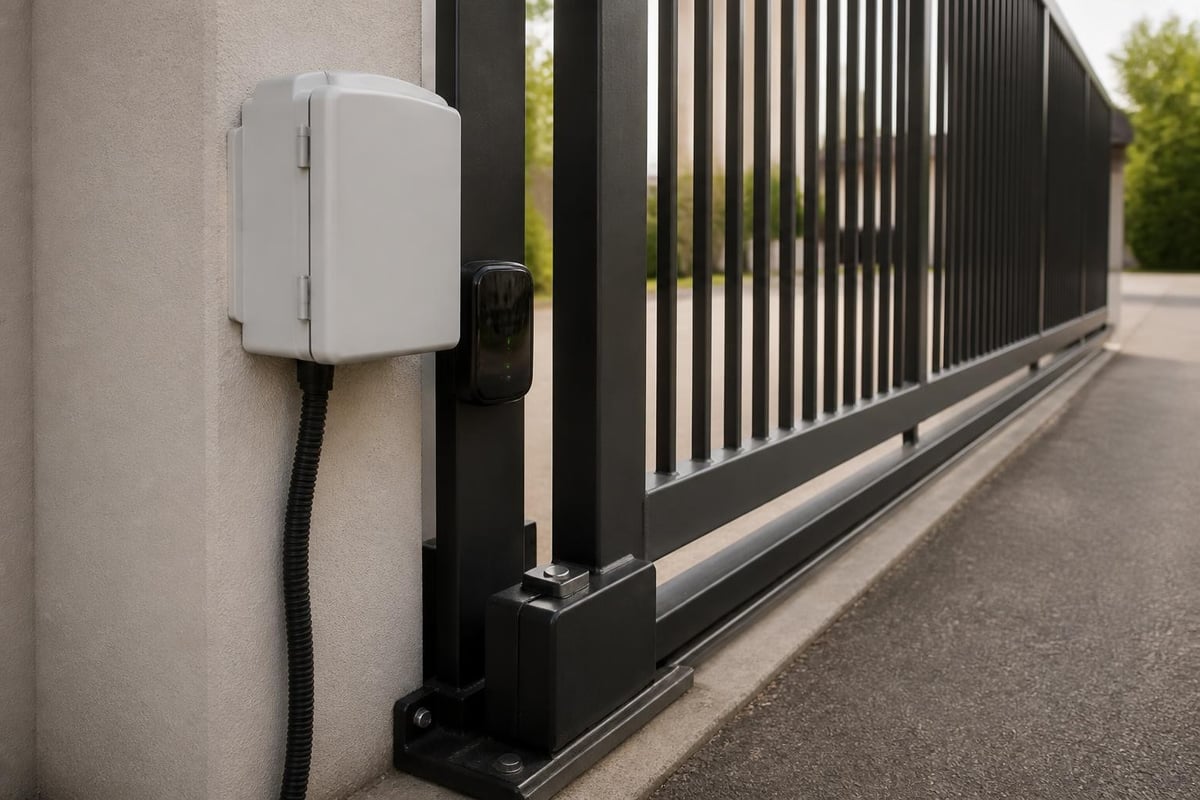
Gate operators must match gate weight, size, and duty cycle. Undersized operators fail prematurely while oversized units waste energy and cost more initially. After structural repairs reduce gate weight through rust removal and component replacement, re-verify operator sizing.
UL provides comprehensive guidance on gate operator safety requirements including entrapment protection, emergency release, and testing protocols. All powered gates should incorporate photoelectric sensors, pressure-sensitive edge protection, and clearly marked emergency stops.
Check mechanical connections between operator and gate for wear or damage. Chain drive systems need proper tension and sprocket alignment. Hydraulic arm operators require leak-free cylinders and adequate oil levels. Screw-drive units must maintain proper lubrication and thread engagement.
Control Systems and Access Devices
Modern control boards offer features like soft-start, obstacle detection, and smartphone integration. When performing metal gate repairs, consider upgrading obsolete control systems that lack current safety features or use discontinued components.
Access control integration connects gates to keypads, card readers, intercoms, and network-based systems. Coordinate structural repairs with access control wiring to avoid damaging conductors or leaving exposed cables vulnerable to weather damage. If you're troubleshooting automatic gate issues, systematic diagnosis of both mechanical and electrical systems identifies root causes.
Preventive Maintenance Programs
Strategic maintenance extends the interval between major metal gate repairs and prevents emergency failures. A documented program with scheduled inspections, lubrication, and adjustment tasks keeps gates operating reliably.
Lubrication and Hardware Service
Apply appropriate lubricants to hinges, bearings, chains, and pivot points every 90 days in normal conditions, more frequently in coastal or industrial environments. Use lithium-based grease for hinges and bearings, dry-film lubricants for chains and tracks, and silicone spray for locks and latches.
Quarterly maintenance tasks:
- Clean and lubricate all pivot points and bearings
- Tighten loose fasteners and replace missing hardware
- Inspect welds for cracks and stress indicators
- Test safety devices and emergency releases
- Clean photo-eye lenses and adjust alignment
- Verify limit switch settings and operator function
Annual inspections should include coating condition assessment and touch-up painting of exposed areas. Address small rust spots immediately before they expand and require extensive metal gate repairs.
Seasonal Adjustments and Inspections
Temperature changes cause metal expansion and contraction that affects clearances and alignment. Spring and fall inspections verify that gates operate properly across the annual temperature range. Adjust limit switches, check ground clearance, and verify latch engagement at seasonal extremes.
Winter preparation includes clearing drainage paths, protecting electronics from moisture, and verifying that ice or snow accumulation won't jam the gate. Summer checks focus on coating condition after UV exposure and verifying that thermal expansion hasn't caused binding.
Compliance and Code Considerations
Metal gate repairs must comply with local building codes, fire safety regulations, and accessibility requirements. Understanding these requirements prevents costly rework and liability exposure.
Fire and Emergency Access Requirements
Fire codes govern emergency vehicle access through gates serving commercial properties, multi-family dwellings, and gated communities. NFPA codes and standards specify minimum opening widths, maximum opening times, and fail-safe requirements that keep gates open during power failures.
Knox boxes or similar systems provide fire department access to override controls. Test these systems regularly and coordinate with local fire officials when modifying gates that protect emergency access routes. Gate repairs that affect width, height, or opening speed may trigger plan review and permitting requirements.
Accessibility and ADA Compliance
Gates serving public accommodations must meet accessibility standards for opening force, clear width, and maneuvering clearance. Powered gates simplify ADA compliance by eliminating manual opening force requirements, but require proper sensor placement and timing to prevent closing on users with mobility limitations.
When performing metal gate repairs on facilities covered by accessibility regulations, verify that modifications maintain compliance. Changing hinge locations, adding automation, or modifying latch mechanisms can affect required clearances and opening characteristics.
Cost Analysis and Repair Versus Replacement
Economic considerations drive repair versus replacement decisions. While repairs typically cost less initially, evaluating lifecycle costs and performance requirements sometimes reveals that replacement delivers better value.
Estimating Repair Costs
Metal gate repair pricing depends on damage extent, labor requirements, material costs, and access difficulty. Mobile service reduces costs compared to removing gates for shop repairs. Rush or emergency service commands premium pricing.
| Repair Type | Typical Cost Range | Duration |
|---|---|---|
| Surface rust treatment | $300-$800 | 4-6 hours |
| Hinge replacement | $400-$1,200 | 3-5 hours |
| Structural welding | $500-$2,000 | 5-10 hours |
| Full refinishing | $800-$2,500 | 8-16 hours |
| Automation upgrade | $1,500-$4,000 | 6-12 hours |
Get itemized estimates that separate materials, labor, and any permit or inspection fees. Compare quotes from multiple contractors with relevant experience and proper licensing. The lowest bid isn't always the best value if quality or warranty coverage suffers.
When Replacement Makes Sense
Replace rather than repair when structural damage exceeds 40-50% of material volume, when repair costs approach 70% of replacement costs, or when the gate no longer meets functional requirements. Modern gates offer improved security features, lower maintenance requirements, and better energy efficiency for powered systems.
Factor in future maintenance costs when comparing repair versus replacement. A repaired gate with marginal remaining life might need another major repair within 3-5 years, while a new gate should provide 15-20 years of service with routine maintenance.
Professional metal gate repairs restore security, functionality, and appearance while extending service life far beyond what replacement timelines might suggest. Understanding inspection protocols, repair techniques, and preventive maintenance fundamentals helps property owners make informed decisions about when to repair, what methods work best, and how to prevent future damage. Whether you're dealing with rust damage, structural failure, or automation issues, Gates On Site delivers expert residential and commercial gate repair throughout Los Angeles with same-day emergency service and over 20 years of experience restoring gates to reliable operation.