
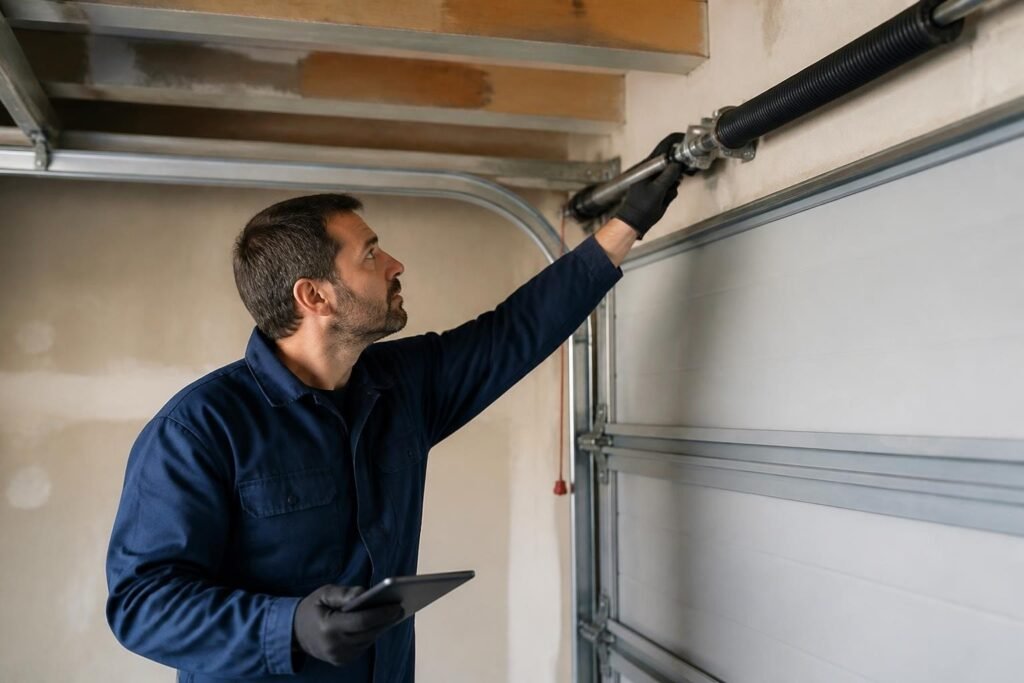
A malfunctioning garage door is more than an inconvenience-it's a security risk and safety hazard that demands immediate attention. With most households using their garage as the primary entrance, understanding the fundamentals of residential garage door repair helps homeowners make informed decisions about maintenance, repairs, and when to call professionals. This comprehensive guide explores the most common issues, safety considerations, and practical solutions that keep your garage door operating smoothly year after year.
Understanding Your Garage Door System Components
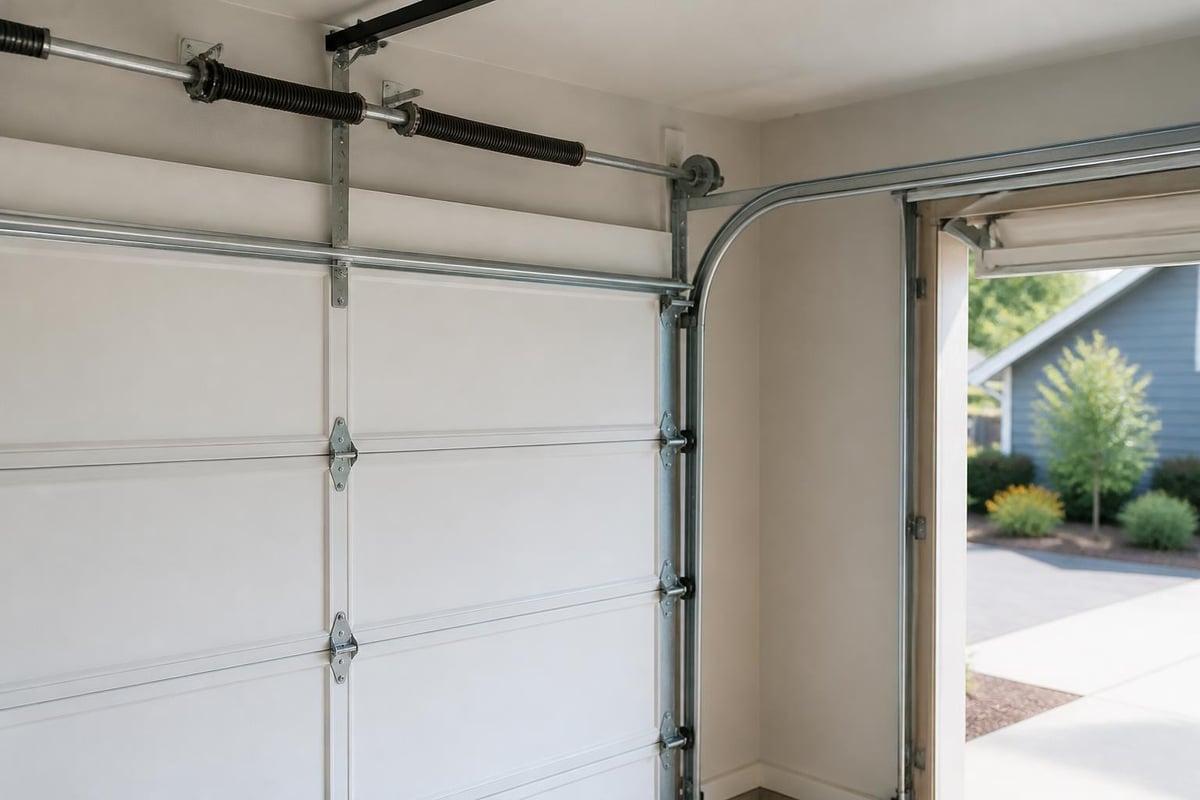
Modern residential garage doors comprise several interconnected systems that work together to provide safe, reliable operation. The door itself typically consists of multiple horizontal panels connected by hinges, which allow the door to bend as it travels along the curved track system. These panels can be constructed from steel, aluminum, wood, or composite materials, each offering different benefits in terms of durability, insulation, and maintenance requirements.
Critical Mechanical Elements
The spring system represents the most critical component in residential garage door repair scenarios. Torsion springs mount horizontally above the door opening and use torque to lift the door's weight, while extension springs run parallel to the tracks on each side. According to DASMA’s technical standards, properly sized springs should last 10,000 to 20,000 cycles under normal use, though actual lifespan varies with climate, usage frequency, and maintenance practices.
Track alignment and roller condition directly affect operational smoothness. The vertical and horizontal track sections must maintain precise alignment to prevent binding and excessive wear. Steel rollers typically last longer than nylon alternatives but generate more noise during operation.
Opener and Safety Systems
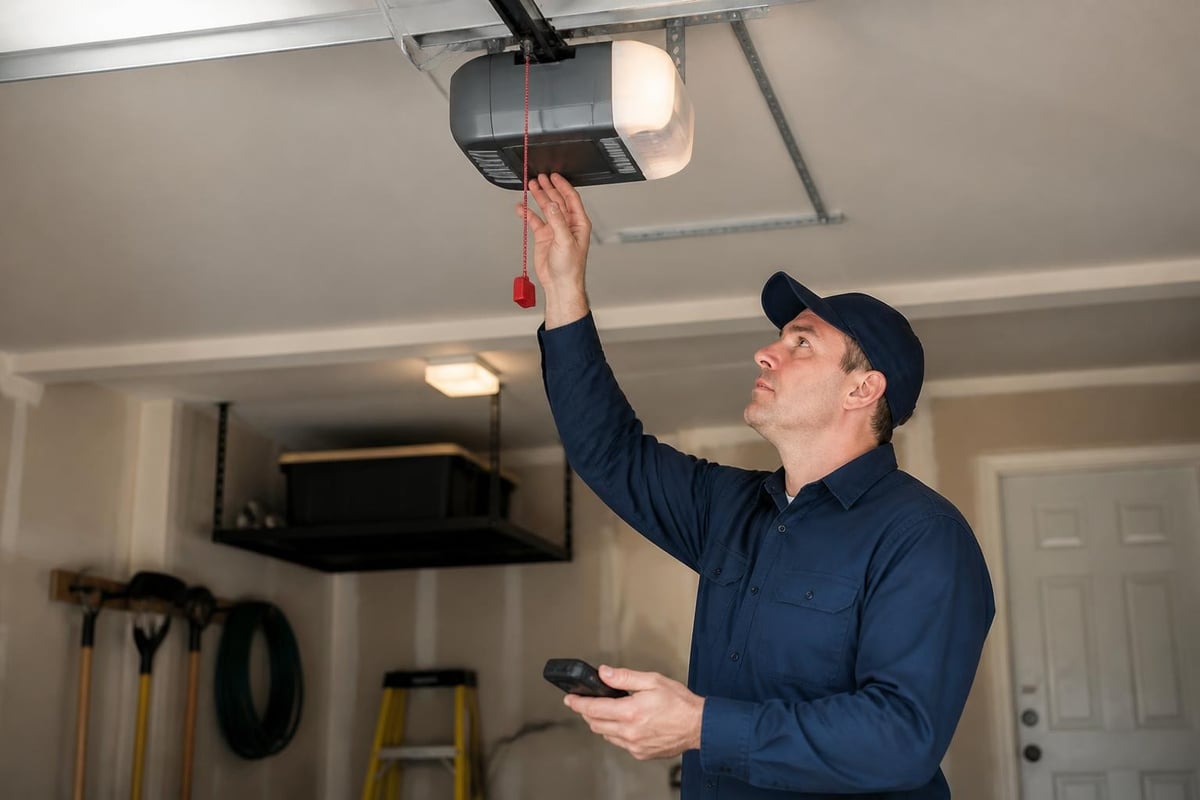
Electric garage door openers have evolved significantly, incorporating multiple safety features required by modern building codes. The motor unit connects to the door through a trolley and rail system (chain drive, belt drive, or screw drive), providing the mechanical force to open and close the door. Contemporary openers must comply with UL 325 safety standards, which mandate entrapment protection devices.
Safety sensors positioned at the base of each track emit an invisible beam that reverses door operation if interrupted. These photoelectric sensors prevent the door from closing on vehicles, pets, or people. Additionally, the auto-reverse mechanism detects resistance when the door contacts an object during closing and immediately reverses direction.
Most Common Residential Garage Door Problems
Identifying issues early prevents minor problems from escalating into expensive repairs or dangerous failures. Homeowners should recognize warning signs that indicate specific component failures requiring professional attention.
Spring Failures and Imbalances
Broken springs represent the most frequent residential garage door repair call. When a spring breaks, the door becomes extremely heavy-often exceeding 200 pounds-making manual operation dangerous or impossible. Warning signs include:
- Loud bang or snapping sound from the garage
- Door opens only a few inches before stopping
- Visible gap in the torsion spring above the door
- Door feels unusually heavy when lifted manually
- Opener motor runs but door doesn't move
Attempting DIY spring replacement poses serious injury risks due to the extreme tension these springs maintain. Professional technicians use specialized tools and follow strict safety protocols when handling spring systems.
Track and Roller Issues
Misaligned tracks cause the door to bind, shake, or become stuck during operation. Over time, track brackets can loosen from wall vibration, temperature changes, or impact damage. Worn rollers create grinding noises and increase friction throughout the system.
| Problem | Symptoms | Typical Cause |
|---|---|---|
| Track Misalignment | Door binds or stops partway | Loose brackets, impact damage |
| Bent Track | Visible gap between rollers and track | Vehicle collision, door forced open |
| Worn Rollers | Grinding noise, slow operation | Age, lack of lubrication |
| Roller Stem Damage | Wobbling door, uneven movement | Excessive force, worn bearings |
Opener Malfunctions
Motor failures, circuit board issues, and mechanical component wear affect opener reliability. Modern openers incorporate sophisticated electronics that can fail due to power surges, temperature extremes, or component aging. Consumer Reports testing shows that quality openers should provide 10-15 years of reliable service with proper maintenance.
Remote control problems often stem from battery depletion, frequency interference, or programming loss. Wall-mounted controls may fail due to wiring damage or switch wear. When troubleshooting opener issues, start with simple solutions-fresh batteries, clean safety sensors, and power cycle the unit-before assuming major component failure.
Safety Inspections and Preventive Maintenance
Regular maintenance extends component life and prevents unexpected failures. DASMA’s maintenance guide recommends monthly visual inspections and semi-annual comprehensive checks performed by homeowners or professionals.
Monthly Safety Checks
Perform these quick inspections to catch developing problems:
- Visual inspection: Look for worn cables, loose hardware, and damaged panels
- Balance test: Disconnect the opener and manually lift the door halfway-it should stay in place
- Sensor test: Wave an object through the sensor beam while closing-the door should reverse
- Auto-reverse test: Place a 2×4 board flat on the floor in the door's path-it should reverse upon contact
- Listen for unusual sounds: Grinding, scraping, or straining noises indicate mechanical problems
Semi-Annual Maintenance Tasks
Deeper maintenance performed twice yearly keeps systems operating efficiently:
- Clean and lubricate all moving parts with silicone-based spray
- Tighten all bolts and screws on tracks, brackets, and hinges
- Inspect cables for fraying or wear (never attempt cable repairs yourself)
- Test spring balance and door alignment
- Clean safety sensor lenses and check alignment
- Inspect weatherstripping and bottom seal for damage
When these inspections reveal problems beyond basic adjustments, professional residential garage door repair becomes necessary. Gates On Site provides overhead garage door repair services throughout Los Angeles, handling everything from spring replacement to complete system overhauls with same-day service availability.
When to Repair Versus Replace
Not every garage door problem requires complete replacement. Understanding cost-benefit analysis helps homeowners make financially sound decisions.
Repair Scenarios
Repair makes economic sense when:
- The door is less than 15 years old and structurally sound
- Only specific components (springs, rollers, sensors) need replacement
- Panel damage is limited to one or two sections
- The opener functions but needs minor parts
- Current insulation and energy efficiency meet your needs
Cost-effective repairs typically include spring replacement ($150-$350), roller replacement ($100-$200), sensor alignment ($75-$150), and opener gear replacement ($150-$300). These investments extend door life without the expense of full replacement.
Replacement Indicators
Consider full door replacement when:
- The door exceeds 20-25 years of age
- Multiple major components require simultaneous repair
- Structural damage affects door integrity or safety
- Significant energy loss occurs through poor insulation
- Repair costs approach 50% of replacement cost
This Old House professionals recommend evaluating total costs over the next 5-10 years when deciding between repair and replacement. An aging door requiring frequent repairs may cost more than investing in a new, energy-efficient model with modern safety features.
Code Compliance and Safety Standards
Residential garage door installation and repair must comply with local building codes and national safety standards. These regulations protect homeowners and ensure proper installation practices.
Building Code Requirements
The International Residential Code (IRC) establishes minimum standards for garage construction and door systems. IRC requirements address critical safety aspects including:
- Fire separation between dwelling and garage spaces
- Proper ventilation and carbon monoxide protection
- Emergency release mechanism accessibility
- Structural support for door weight and wind loads
- Electrical wiring safety and circuit protection
California's adoption of the IRC with state-specific amendments means Los Angeles installations must meet enhanced seismic and wind-resistance standards. Professional technicians familiar with local service areas understand these regional requirements and ensure compliant installations.
Entrapment Protection Standards
UL 325 mandates multiple entrapment protection devices on all residential garage door openers manufactured after 1993. Compliant systems must include:
- Primary entrapment protection: Photoelectric sensors that detect obstructions
- Secondary protection: Contact-based auto-reverse or edge sensors
- Manual release mechanism: Emergency disconnect accessible from inside the garage
- Force settings: Adjustable down-force limits that prevent excessive pressure
Annual testing of these safety features should be part of every homeowner's maintenance routine. Older openers lacking these protections should be upgraded to meet current standards, regardless of mechanical condition.
Energy Efficiency and Insulation
Garage doors significantly impact home energy consumption, particularly when the garage shares walls with living spaces. Understanding insulation options and weatherproofing techniques reduces utility costs and improves comfort.
R-Value and Insulation Types
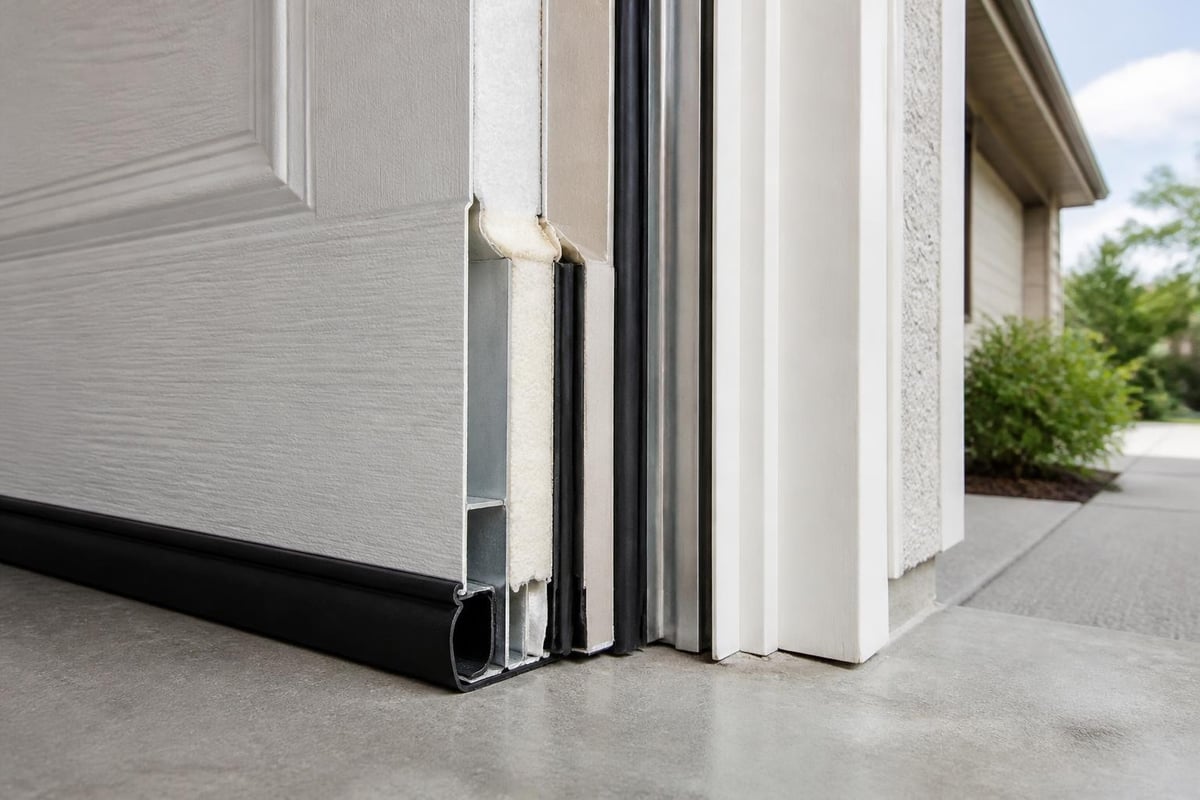
Garage door insulation is measured by R-value, which indicates thermal resistance. Higher R-values provide better insulation:
| Insulation Type | R-Value Range | Best Application |
|---|---|---|
| Uninsulated | R-0 | Detached garages, mild climates |
| Polystyrene | R-4 to R-8 | Standard attached garages |
| Polyurethane | R-12 to R-18 | Climate-controlled garages, living space above |
| Multi-layer | R-18+ | Premium efficiency, extreme climates |
The Department of Energy guidance on home improvements notes that properly insulated garage doors can qualify for energy-efficiency tax credits when part of comprehensive weatherization projects.
Weatherstripping and Sealing
Effective sealing prevents air infiltration and moisture intrusion. Critical sealing points include:
- Bottom seal: Flexible rubber or vinyl strip along the door's bottom edge
- Stop molding: Seals the gaps between door and frame on sides and top
- Between panels: Prevents air passage between horizontal sections
- Threshold seal: Optional barrier mounted to garage floor
Regular inspection and replacement of worn weatherstripping maintains energy efficiency. Even high-quality seals degrade after 5-7 years due to UV exposure, temperature cycling, and physical wear.
DIY Troubleshooting and Simple Repairs
Homeowners can safely address certain garage door issues without professional assistance. Understanding your limitations prevents injury and additional damage.
Safe DIY Tasks
These repairs carry minimal risk when performed carefully:
Sensor alignment: Clean sensor lenses with a soft cloth, verify both sensors show solid indicator lights, and adjust bracket positions until beams align properly. The door should reverse immediately when the beam is interrupted.
Remote programming: Most openers allow adding new remotes by pressing the "learn" button on the motor unit, then activating the remote within 30 seconds. Consult your opener manual for specific procedures.
Lubrication: Apply silicone-based lubricant to rollers, hinges, tracks, and springs every six months. Avoid WD-40 or penetrating oils, which attract dust and create sticky residue. Wipe away excess lubricant to prevent dripping.
Track cleaning: Remove debris from tracks using a damp cloth. Check for obstructions preventing smooth roller movement. Never bend tracks or force misaligned sections-this requires professional adjustment.
When to Stop and Call Professionals
Certain residential garage door repair tasks demand professional expertise and specialized equipment. Home Depot’s repair guides emphasize safety warnings around these high-risk repairs:
- Spring replacement: Extreme tension creates serious injury risk
- Cable repair: Frayed or broken cables indicate spring problems requiring simultaneous attention
- Track replacement: Precise alignment and secure mounting prevent future issues
- Opener installation: Electrical connections and mounting strength affect safety
- Panel replacement: Proper fit and hinge alignment require experience
Professional technicians carry liability insurance, specialized tools, and replacement parts, completing repairs safely and efficiently. They also identify related issues that homeowners might overlook, preventing future failures.
Choosing a Professional Repair Service
Selecting qualified technicians ensures quality work and prevents recurring problems. Several factors distinguish reputable residential garage door repair companies from less reliable options.
Credentials and Experience
Look for services with:
- Licensing: Valid contractor licenses demonstrate regulatory compliance
- Insurance: Both liability and worker's compensation protect homeowners
- Manufacturer training: Certifications from major brands indicate technical expertise
- Local presence: Established businesses with physical locations provide accountability
- Years in business: Longevity suggests quality service and customer satisfaction
Companies specializing in automatic gate repair and electric gate systems often bring additional expertise to residential garage door work, as these systems share many components and operating principles.
Service Quality Indicators
Response time matters during emergencies-a broken garage door compromises security and prevents vehicle access. Services offering same-day repairs demonstrate adequate staffing and parts inventory. Transparent pricing provided before work begins prevents surprise charges and budget overruns.
Request detailed estimates that itemize:
- Labor charges per hour or per job
- Parts costs with specific component names
- Trip fees or service call minimums
- Warranty coverage on parts and labor
- Payment terms and accepted methods
Reputable companies provide written warranties covering both parts and workmanship. Standard warranties range from 90 days to one year on labor and match manufacturer warranties on parts.
Emergency Situations and Safety Protocols
Certain garage door failures create immediate safety hazards requiring urgent response. Recognizing emergency situations helps homeowners take appropriate protective actions.
Dangerous Failure Modes
Cable breaks while the door is raised allow the door to fall suddenly, potentially causing severe injury or property damage. If you hear snapping sounds or see a cable hanging loose, do not operate the door manually or with the opener. Clear the area beneath the door and contact emergency repair services immediately.
Off-track doors bind in their guides and may partially collapse. This typically occurs when both rollers on one side jump the track simultaneously, often due to impact damage or severe misalignment. Never attempt to force an off-track door back into position-the unbalanced weight can shift unpredictably.
Spring breaks while opening or closing create sudden load changes that can damage the opener or cause the door to slam shut. If your door drops rapidly partway through opening, release the opener button immediately and keep everyone clear until professionals secure the door.
Emergency Response Steps
When facing garage door emergencies:
- Evacuate the immediate area beneath and around the door
- Unplug the opener to prevent accidental activation
- Use alternative exits and entrances until repairs are complete
- Never attempt to prop up or secure a failing door yourself
- Contact professional services offering emergency response
Preventing access to the garage from inside the home maintains security while awaiting repairs. If vehicles are trapped inside, professional technicians can safely secure the door in the raised position to allow removal.
Smart Technology and Modern Upgrades
Contemporary garage door systems integrate with home automation platforms, providing convenience and enhanced security features. Understanding available technology helps homeowners make informed upgrade decisions.
Connected Opener Features
Smart garage door openers offer:
- Smartphone control: Open and close from anywhere with internet access
- Activity monitoring: Receive alerts when the door operates
- Scheduled operation: Automatic closing at specified times
- Voice control: Integration with Alexa, Google Assistant, or Siri
- Guest access: Temporary codes for visitors or service providers
These features enhance security by eliminating concerns about forgotten open doors and providing operation logs that show exactly when the door opened or closed.
Battery Backup Systems
Power outages leave homes vulnerable when garage doors won't operate. Battery backup systems maintain opener functionality during electrical failures, ensuring you can enter or exit as needed. Quality backup units provide 20-50 operation cycles on a single charge and automatically recharge when power returns.
Maintaining your residential garage door system through regular inspections, prompt repairs, and professional service extends its operational life while protecting your home's security and safety. Whether addressing minor adjustments or major component failures, understanding your system's operation and limitations helps you make informed decisions. Gates On Site brings over 20 years of experience to every residential garage door repair throughout Los Angeles, offering same-day emergency service with no extra charges and fully stocked vehicles ready to complete most repairs on the first visit.