
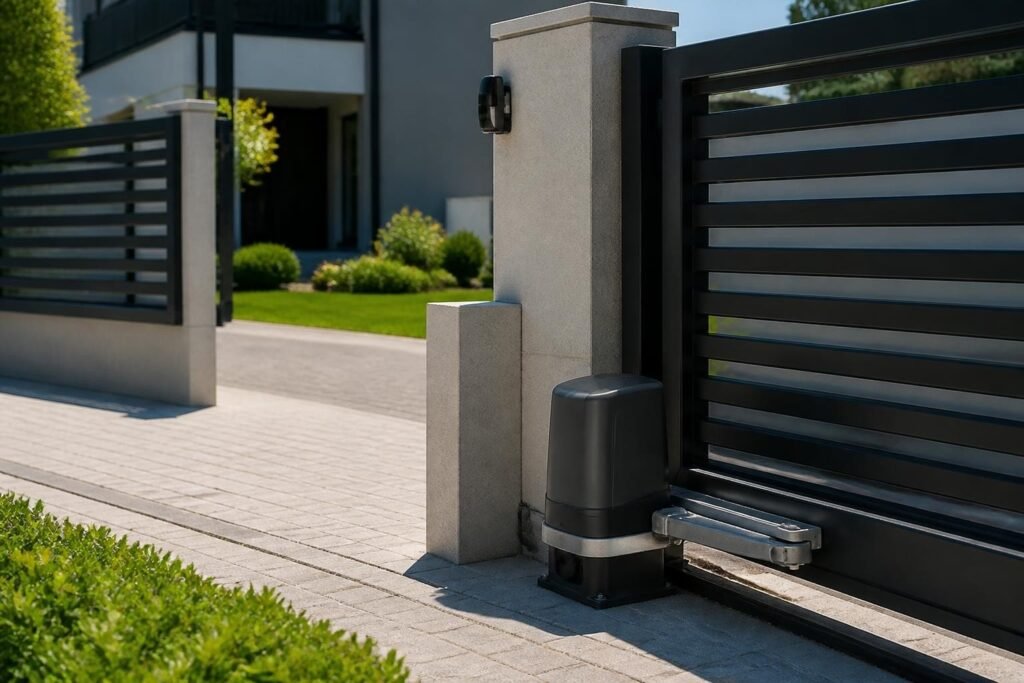
Modern property security and convenience depend heavily on reliable automatic access systems. A gate door opener transforms manual barriers into automated entry points, providing security, accessibility, and property value enhancement. Whether securing a residential driveway or managing commercial facility access, understanding these systems helps property owners make informed decisions about installation, maintenance, and repair.
Understanding Gate Door Opener Technology
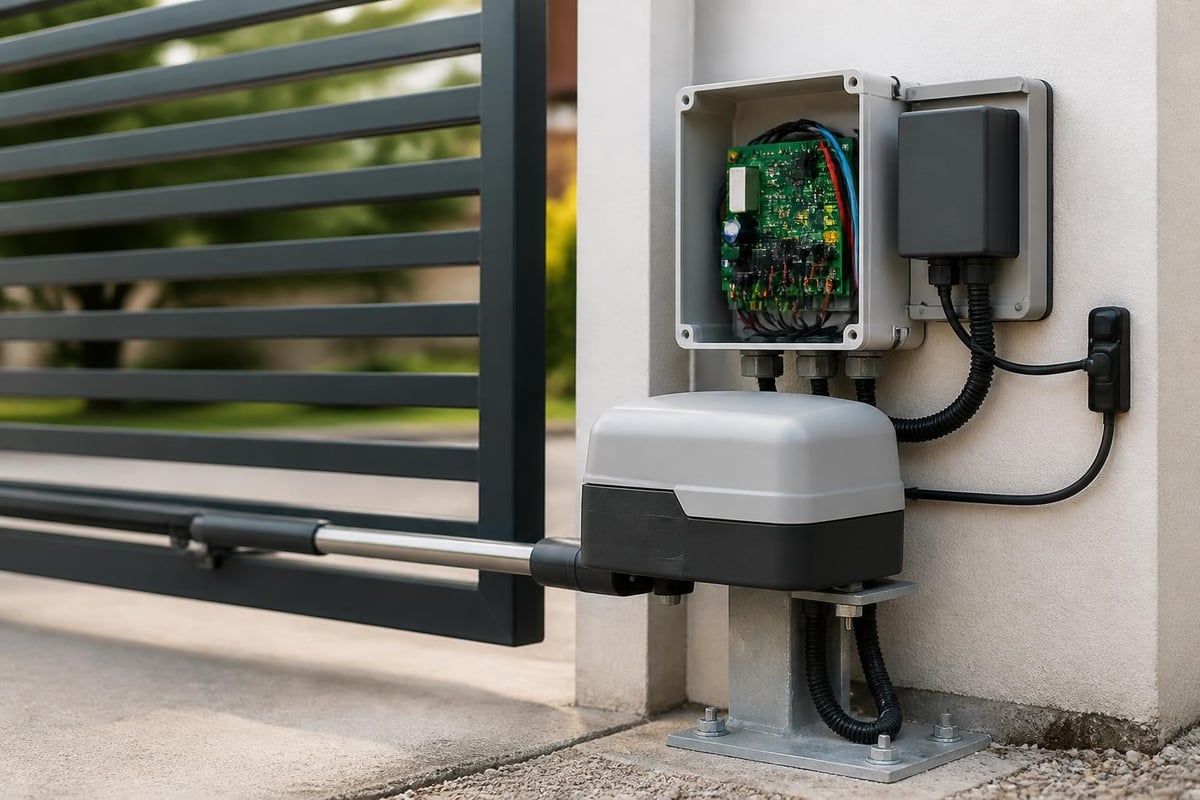
Gate door opener systems consist of several integrated components working together to automate barrier movement. The motor unit provides the mechanical force, while control boards process signals from remotes, keypads, or smartphone apps. Sensors detect obstacles and prevent accidents, and limit switches define travel boundaries.
Core Components and Their Functions
Every reliable gate door opener includes essential parts that must work in harmony:
- Motor assembly: Converts electrical power into mechanical motion
- Control board: Processes commands and manages safety features
- Receiver unit: Captures signals from remote transmitters
- Safety sensors: Detect obstructions in the gate path
- Battery backup: Maintains operation during power outages
- Mounting hardware: Secures components to gates and posts
The power requirements vary based on gate size and usage frequency. Residential systems typically operate on 110V or 120V household current, while heavy commercial installations may require 220V or 240V power supplies. Understanding UL 325 safety standards ensures compliance with building codes and operator safety requirements.
Operator Types and Applications
Different gate configurations require specific opener designs. Swing gate operators use articulated arms or underground rams to push gates open along an arc. Sliding gate operators employ chain drives, belt drives, or screw mechanisms to move barriers horizontally along tracks.
| Operator Type | Best For | Gate Weight Capacity | Installation Complexity |
|---|---|---|---|
| Articulated Arm | Swing gates, limited space | Up to 1,200 lbs per leaf | Moderate |
| Underground Ram | High-end residential, aesthetic priority | Up to 1,500 lbs per leaf | High |
| Sliding Chain Drive | Commercial, heavy-duty use | Up to 4,000 lbs | Moderate |
| Sliding Screw Drive | Residential sliding gates | Up to 1,800 lbs | Low to Moderate |
Solar-powered gate door opener systems offer energy independence in locations without convenient electrical access. These units combine photovoltaic panels with deep-cycle batteries to store energy for nighttime and cloudy-day operation.
Installation Considerations for Optimal Performance
Proper installation determines long-term reliability and safety. Site assessment begins with measuring gate dimensions, weight, and swing or slide clearance. Environmental factors including wind exposure, slope, and soil conditions affect mounting strategies and equipment selection.
Pre-Installation Planning
Professional installers evaluate multiple site-specific factors before recommending equipment. Gate weight directly influences motor size requirements. A 400-pound residential swing gate needs different specifications than a 2,000-pound commercial sliding barrier.
Electrical infrastructure must support the chosen gate door opener system. Circuit capacity, wire gauge, and conduit protection all require careful planning. Many jurisdictions require permits and inspections for automatic gate installations, particularly for commercial access control systems that integrate with building security.
Foundation preparation ensures stable mounting. Swing gate operators need solid concrete pads or robust post mounting. Sliding gates require level track installation with proper concrete footings at regular intervals.
Safety System Integration
Modern automatic gates incorporate multiple safety layers to prevent accidents and injuries. Photoelectric sensors create invisible beams across gate paths, reversing movement when interrupted. Edge sensors mounted on gate leading edges detect physical contact and trigger immediate stops.
Safety guidance from regulatory bodies emphasizes risk assessment and ongoing maintenance practices. Entrapment protection prevents gates from closing on vehicles or pedestrians. Loop detectors embedded in driveways sense vehicle presence and maintain open positions until passage completes.
The control board programming manages safety features alongside basic operation. Adjustable force settings prevent excessive pressure during closing. Auto-close timers balance convenience with security by automatically closing gates after predetermined intervals.
Access Control Integration and Smart Features
Contemporary gate door opener systems extend far beyond simple remote control operation. Integration with comprehensive access management creates sophisticated entry solutions for residential communities and commercial facilities.
Remote Access Technologies
Property owners now choose from diverse control options:
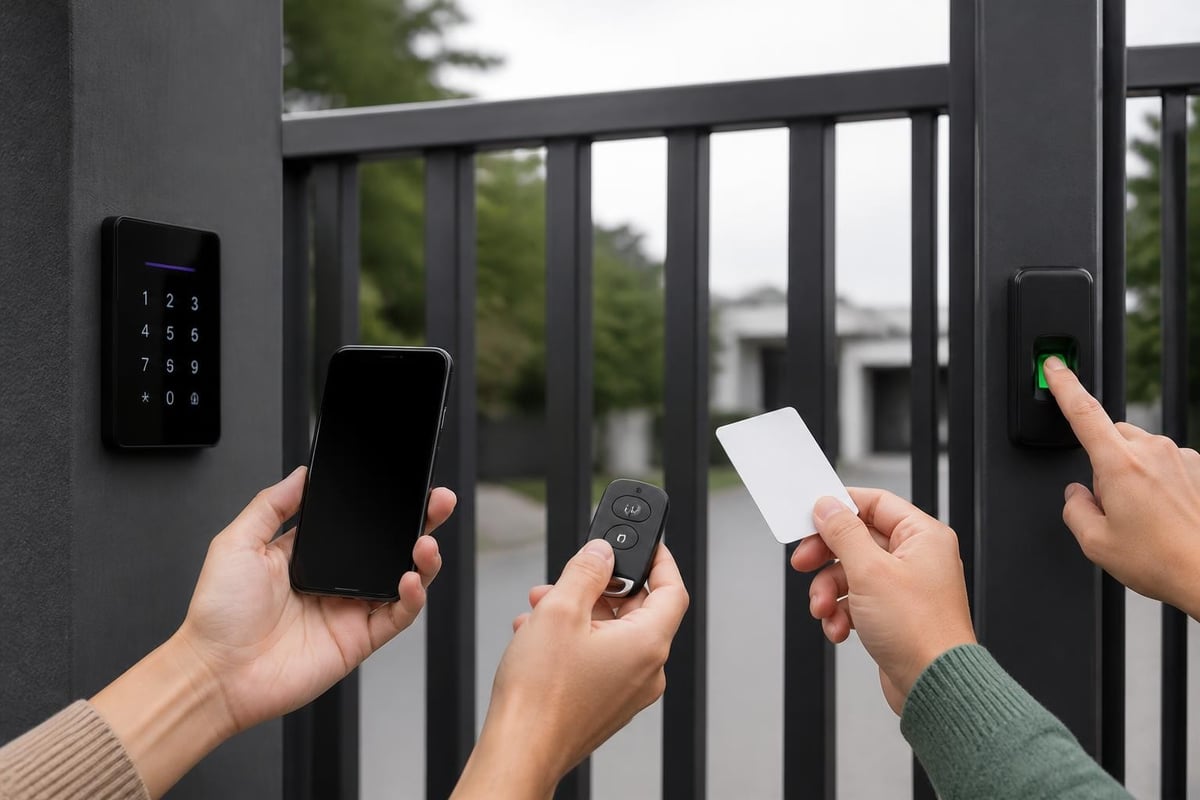
- Traditional RF remotes: Reliable short-range operation up to 100 feet
- Keypad entry systems: PIN code access for authorized users
- Smartphone apps: WiFi or cellular control from anywhere
- Intercom systems: Two-way communication with visitors
- RFID/proximity cards: Touchless entry for frequent users
- Biometric readers: Fingerprint or facial recognition for high-security applications
Smart gate door opener systems connect to home automation platforms, enabling voice control through virtual assistants and integration with security cameras. Cloud-based management allows remote monitoring of gate activity, providing logs of entries and exits.
Research into RFID and smart-gate access technologies demonstrates evolving capabilities in identification systems. These advances improve both security and user convenience while reducing unauthorized access risks.
Cybersecurity Considerations
Connected gate door opener systems require protection against digital threats. Default passwords must be changed immediately upon installation. Network segmentation isolates gate controls from other building systems. Regular firmware updates patch security vulnerabilities discovered by manufacturers.
Following NIST IoT device cybersecurity guidance helps secure networked access control devices. Encryption protocols protect communication between controllers and mobile apps. Multi-factor authentication adds verification layers beyond simple passwords.
Maintenance Requirements for Long-Term Reliability
Systematic maintenance prevents unexpected failures and extends equipment lifespan. Gate door opener systems operate in harsh outdoor environments, exposing components to temperature extremes, moisture, dust, and debris.
Routine Maintenance Schedules
Monthly visual inspections catch developing problems early. Check for loose hardware, worn hinges, track alignment issues, and debris accumulation. Test safety sensors by interrupting beams during gate movement, confirming immediate reversal.
Quarterly maintenance includes:
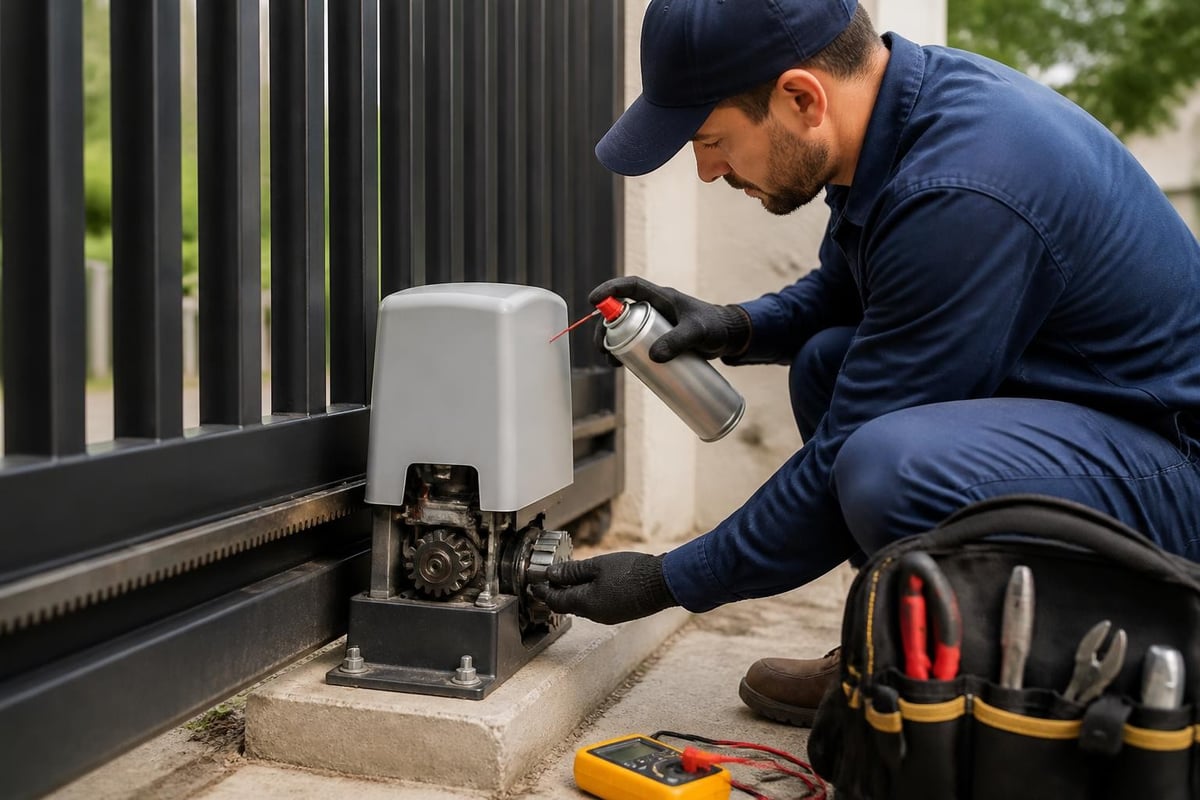
- Lubricating moving parts with appropriate weather-resistant products
- Cleaning photoeye lenses and adjusting alignment
- Inspecting chain or belt tension on sliding gates
- Testing battery backup systems under load
- Verifying force adjustment settings remain within safe parameters
Annual professional service involves comprehensive system evaluation. Technicians measure electrical current draw to identify motor wear, inspect control boards for component degradation, and verify all safety features function correctly. For properties in Los Angeles and similar coastal climates, corrosion inspection proves particularly important.
Common Problems and Solutions
Gate door opener malfunctions typically stem from predictable issues. Understanding these helps property owners recognize when professional repair becomes necessary:
| Problem | Likely Causes | Immediate Actions |
|---|---|---|
| Gate won't respond | Dead batteries, power outage, receiver failure | Check power supply, replace remote batteries, inspect circuit breaker |
| Gate reverses immediately | Misaligned sensors, obstruction, force setting too low | Clean sensor lenses, check gate path, adjust force settings |
| Slow or sluggish operation | Low battery backup, worn motor, mechanical binding | Charge backup battery, lubricate moving parts, check for obstacles |
| Intermittent operation | Loose wiring, corroded connections, failing control board | Inspect wire connections, clean terminals, test control board |
The specialized nature of electric gate opener repair often requires professional diagnosis. Complex control board failures, motor replacement, and hydraulic system repairs demand technical expertise and specialized tools.
Compliance and Code Requirements
Automatic gate installations must satisfy multiple regulatory frameworks. Building codes, electrical codes, fire safety requirements, and accessibility standards all influence design and installation specifications.
Fire and Life Safety Standards
Emergency egress represents a critical safety consideration. Gates blocking fire department access routes require fire department approved override systems. Knox boxes or similar rapid-entry solutions enable emergency responders to access properties without delay or damage.
NFPA codes and standards address life-safety interactions with powered barriers. Gates along emergency egress paths need fail-safe mechanisms ensuring they remain operable during power failures or system malfunctions.
Commercial installations face stricter requirements than residential systems. Crash-rated gates protecting high-security facilities follow Department of State or Department of Defense specifications. These systems balance security needs against emergency access requirements through sophisticated control programming.
ADA Compliance for Access
Gates controlling pedestrian access must accommodate individuals with disabilities. Automatic operation removes physical barriers for wheelchair users and people with limited mobility. Control stations require mounting heights and clear floor spaces meeting ADA guidelines.
Operating force limits prevent gates from exerting excessive pressure. The Americans with Disabilities Act establishes maximum force requirements for both interior and exterior doors, which extend to automatic gate applications in many jurisdictions.
Selecting the Right System for Your Property
Choosing an appropriate gate door opener involves balancing multiple factors including budget, security requirements, aesthetic preferences, and maintenance capabilities. Professional consultation helps navigate options and avoid costly mismatches between equipment and applications.
Residential vs. Commercial Requirements
Single-family homes typically use medium-duty operators rated for 10-20 daily cycles. Duty cycle ratings indicate how frequently gates can operate without overheating or premature wear. Residential systems prioritize quiet operation and integration with home automation.
Multi-family residential complexes need commercial-grade equipment handling 50-100+ daily cycles. Shared access points experience higher usage than individual driveways. Features like traffic loop detectors and multiple user access management become essential.
Industrial and commercial facilities often require heavy-duty gate door opener systems supporting continuous operation. Distribution centers, manufacturing plants, and secured campuses need reliability under demanding conditions. Preventive maintenance programs become critical investments protecting operational continuity.
Budget Considerations and Total Cost of Ownership
Initial equipment costs represent only one component of total ownership expenses. Installation labor, electrical work, permits, and ongoing maintenance contribute significantly to lifetime costs.
Basic residential swing gate operators start around $500-800 for equipment only. Professional installation adds $800-1,500 depending on site complexity and electrical requirements. Commercial-grade sliding gate systems range from $2,000-5,000 for equipment, with installation costs varying by project scope.
Energy consumption, battery replacement, and scheduled maintenance create ongoing operational expenses. Solar-powered systems eliminate electrical costs but require battery replacements every 3-5 years. Reliability and service availability justify premium equipment investments through reduced emergency repair expenses.
Troubleshooting and Diagnostic Techniques
Understanding basic diagnostic approaches helps property owners communicate effectively with service technicians and make informed repair decisions. Many gate door opener problems exhibit distinctive symptoms pointing toward specific component failures.
Systematic Problem Identification
Begin troubleshooting with the simplest potential causes. Verify power supply at the circuit breaker and gate operator. Test remote transmitter batteries and confirm LED indicators on receivers illuminate when buttons press.
Observe gate behavior carefully:
- Complete non-operation suggests power supply or control board failure
- Partial movement with reversal indicates safety sensor or force setting issues
- Grinding or unusual noises point to mechanical problems like worn gears or binding hinges
- Erratic behavior often results from electrical interference or failing control boards
Manual operation testing isolates mechanical problems from electrical issues. Most gate door opener systems include manual release mechanisms allowing gates to move freely when disengaged. Difficulty moving gates manually indicates mechanical binding, damaged rollers, or track problems rather than operator failures.
When to Call Professional Help
Complex automatic gate systems warrant professional diagnosis for many issues. Control board failures require specialized testing equipment and component-level electronics knowledge. Motor replacements demand proper torque specifications and alignment procedures.
Safety-critical repairs should always involve qualified technicians. Improperly adjusted force settings create entrapment hazards. Sensor misalignment compromises protection systems. Professional service ensures repairs meet both manufacturer specifications and safety standards.
Los Angeles property owners benefit from working with established local providers who understand regional climate challenges and maintain comprehensive parts inventories. Same-day service availability minimizes security gaps and operational disruptions.
Advanced Features and Future Developments
Gate door opener technology continues evolving with broader smart home integration and enhanced security capabilities. Artificial intelligence enables predictive maintenance through operational pattern analysis. Systems detect developing problems before complete failures occur, scheduling service proactively.
Emerging Technologies
Facial recognition systems eliminate physical keys, cards, and codes entirely. Advanced cameras identify authorized individuals and trigger automatic gate opening. These systems maintain photographic logs of all entries, creating comprehensive security records.
Vehicle license plate recognition automates access for registered cars while blocking unknown vehicles. Commercial applications include parking facility management and fleet tracking. Integration with visitor management systems streamlines guest access while maintaining security protocols.
Mesh networking creates redundant communication paths between gate operators, sensors, and control panels. This architecture maintains functionality even when individual components fail, improving overall system reliability. Battery technology advances extend backup power duration, with lithium systems replacing traditional sealed lead-acid batteries.
Energy harvesting techniques capture kinetic energy from gate movement, supplementing solar and battery power. These innovations reduce maintenance requirements while improving environmental sustainability. Smart grid integration allows gate door opener systems to participate in demand response programs, reducing peak electrical loads.
Selecting, installing, and maintaining the right gate door opener system protects your property while providing daily convenience and enhanced security. Whether you're upgrading an existing installation or planning a new automated gate, understanding the technology, safety requirements, and maintenance needs ensures optimal long-term performance. Gates On Site brings over 20 years of experience to residential and commercial properties throughout Los Angeles, offering same-day repair services with no emergency charges to keep your automated gates operating reliably.