
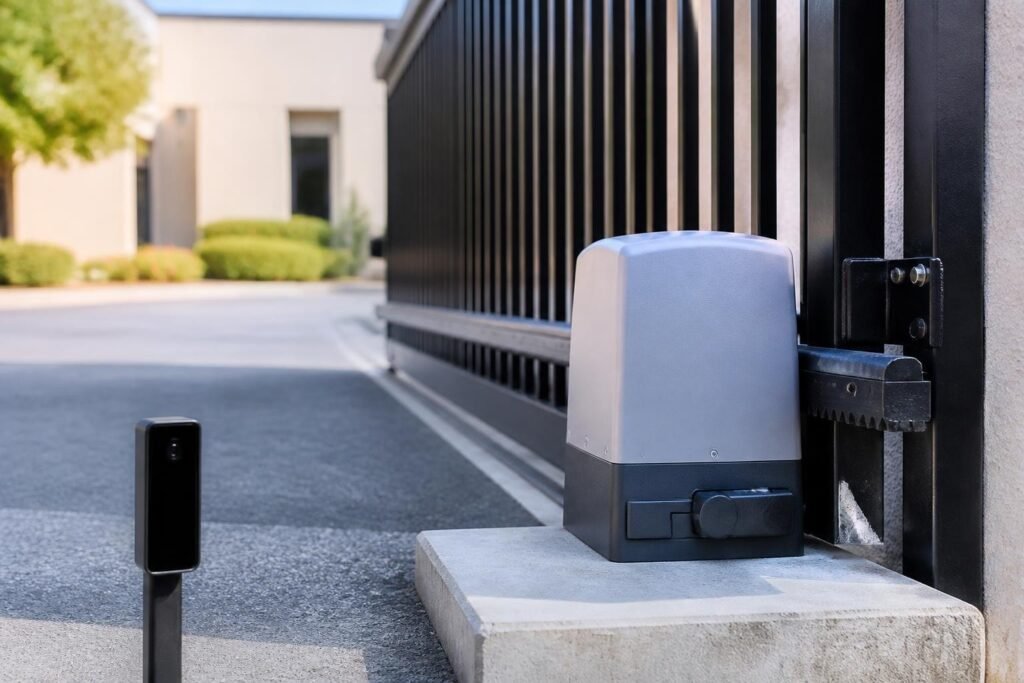
An electric motor gate opener transforms manual entry systems into automated access points, providing convenience, security, and property value enhancement for both residential and commercial applications. These motorized systems have evolved significantly over the past two decades, incorporating advanced safety features, smart technology integration, and energy-efficient designs that meet stringent industry standards. Understanding how these systems work, which type suits your property, and how to maintain them properly ensures long-term reliability and safety compliance.
Understanding Electric Motor Gate Opener Technology
The core functionality of an electric motor gate opener relies on converting electrical energy into mechanical motion that opens and closes gates automatically. Modern systems integrate multiple components that work together seamlessly to provide reliable operation.
Primary Components and Operation
Every electric motor gate opener system consists of several essential elements working in coordination:
- Motor unit that generates the force needed to move the gate
- Control board that processes commands and manages system logic
- Safety sensors that detect obstructions and prevent accidents
- Access control devices including remotes, keypads, and card readers
- Limit switches that define the gate's open and closed positions
- Battery backup systems for continued operation during power outages
The motor itself can be DC (direct current) or AC (alternating current), with DC motors increasingly popular for their energy efficiency and smoother operation. When you activate the system through a remote or keypad, the control board receives the signal, checks safety inputs, and energizes the motor to move the gate along its predetermined path.
Safety Standards and Compliance
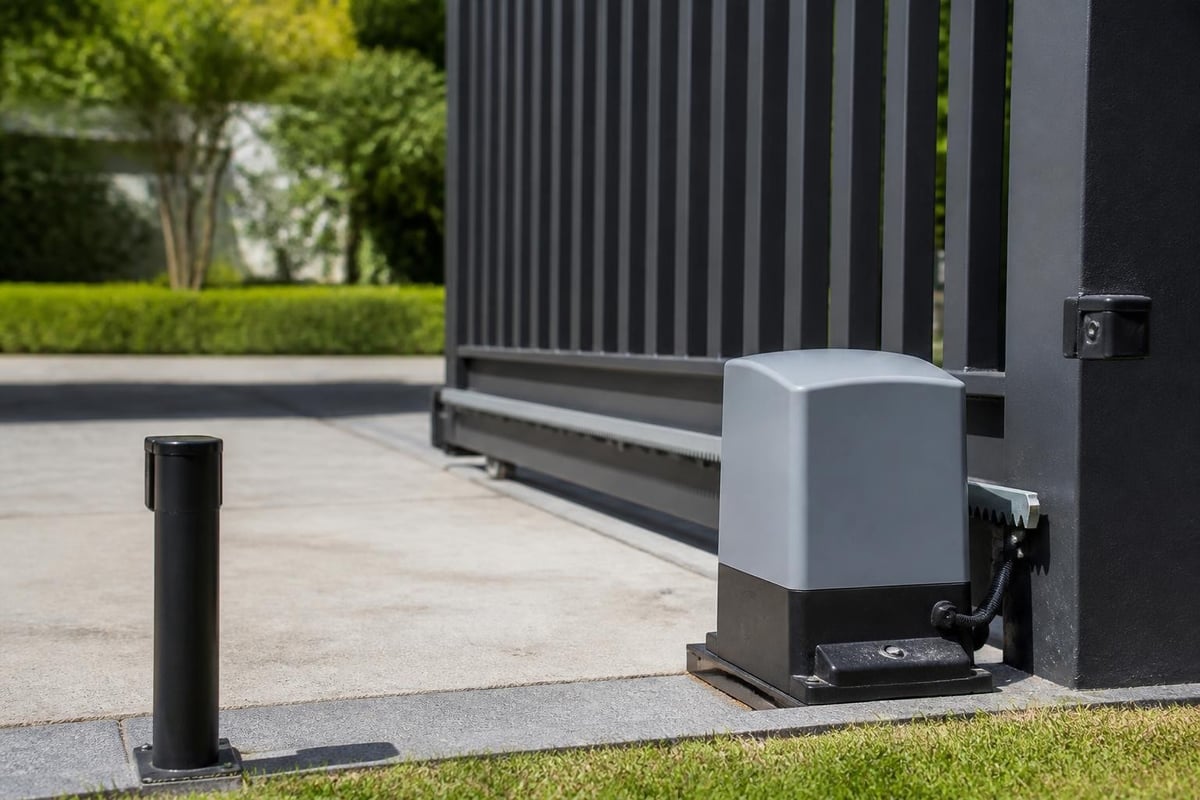
Safety remains paramount in electric motor gate opener design and installation. The ANSI/UL 325 standard establishes requirements for gate operators, addressing entrapment protection, force limits, and emergency release mechanisms. Recent updates to the U.S. Safety Standard for Gates and Enclosures have strengthened requirements for residential gate systems, particularly regarding entrapment zones and sensor performance.
Modern installations must incorporate multiple safety features including photoelectric sensors that create invisible beams across the gate's path, edge sensors that detect contact with objects, and properly calibrated force settings that stop the gate when resistance is encountered. Compliance with these standards protects property owners from liability and ensures occupant safety.
Types of Electric Motor Gate Openers
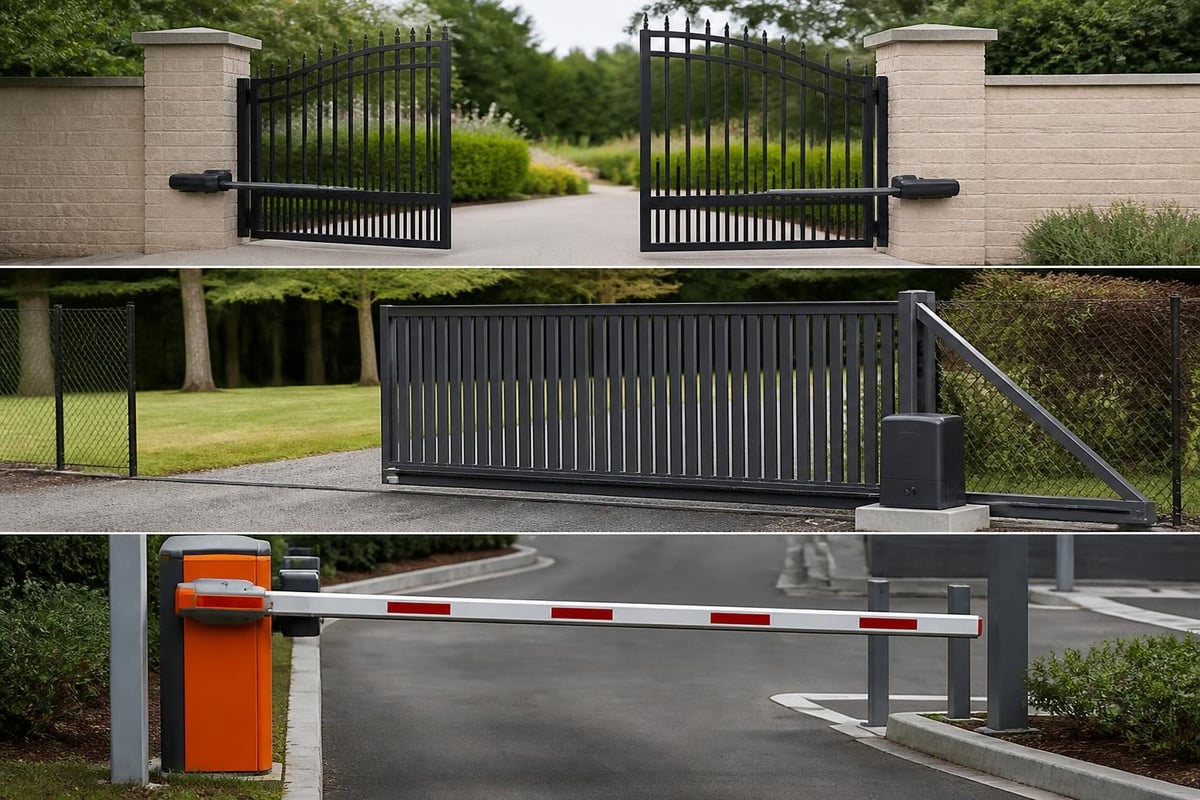
Selecting the appropriate electric motor gate opener depends on gate type, weight, usage frequency, and site-specific conditions. Each opener category offers distinct advantages suited to particular applications.
Swing Gate Operators
Swing gate operators control single or double gates that open inward or outward on hinges. These systems use articulated arms or underground actuators to pull or push gates through their arc of travel.
Articulated Arm Operators mount to posts or walls and connect to the gate through jointed arms that accommodate the swing radius. They handle gates up to 1,000 pounds and work well where underground installation isn't feasible.
Underground/Hydraulic Operators install below ground level for aesthetic purposes, leaving only the gate visible. These powerful units manage heavy gates in high-traffic commercial applications but require proper drainage and protection from water infiltration.
| Swing Gate Operator Type | Weight Capacity | Installation Complexity | Best Application |
|---|---|---|---|
| Articulated Arm | Up to 1,000 lbs | Moderate | Residential, light commercial |
| Underground Hydraulic | Up to 2,000 lbs | High | Commercial, luxury residential |
| Ram-Style | Up to 800 lbs | Low to Moderate | Flat terrain, standard residential |
Slide Gate Motors
Slide gate systems move laterally along a track, making them ideal for properties with limited driveway depth or sloped approaches. The electric motor gate opener drives a rack-and-pinion or chain mechanism that propels the gate horizontally.
These operators excel in commercial and industrial settings where heavy gates require frequent operation. Modern slide gate motors incorporate soft-start and soft-stop features that reduce mechanical stress and extend component life. They typically handle gates from 500 to 5,000 pounds depending on motor size and gearing.
For Los Angeles properties with limited space, slide gates often prove more practical than swing configurations. When professional installation matters, experienced technicians ensure proper track alignment, motor mounting, and safety sensor positioning for optimal performance.
Barrier Arm and Vertical Pivot Systems
Barrier arm operators raise and lower a horizontal arm across a driveway or parking entrance, providing quick cycling for high-traffic locations. These systems cycle rapidly, often in under three seconds, making them popular for parking facilities and gated communities.
Vertical pivot gates rotate upward on a central pivot point, suited to narrow driveways where slide and swing gates won't fit. The electric motor gate opener for these applications must provide precise speed control and reliable positioning to prevent arm damage or safety issues.
Installation Considerations for Electric Motor Gate Openers
Proper installation directly impacts system reliability, safety, and longevity. Professional assessment and installation ensure compliance with codes and optimal performance.
Site Assessment and Preparation
Before installation begins, thorough site evaluation identifies potential challenges:
- Measure gate dimensions and weight to specify appropriate motor capacity
- Assess ground conditions for underground components and concrete footings
- Verify electrical service availability and plan conduit routing
- Identify safety zone requirements per DASMA guidelines
- Plan access control placement for convenient user operation
The DASMA technical data sheets provide detailed specifications for entrapment zones and required clearances around automated gates. Following these industry guidelines prevents accidents and ensures regulatory compliance.
Electrical Requirements and Code Compliance
Electric motor gate openers require dedicated electrical circuits sized appropriately for the motor's power draw. Installation must conform to the National Electrical Code (NEC) regarding grounding, circuit protection, and wiring methods.
Most residential systems operate on 120V or 240V power, while commercial installations may require three-phase service for larger motors. Proper grounding protects against electrical faults, and GFCI protection may be required for outdoor installations depending on local amendments to the NEC.
Professional vs. DIY Installation
While some homeowners attempt self-installation to reduce costs, electric motor gate opener systems involve complexities that justify professional service:
- Safety compliance requires knowledge of current standards and testing procedures
- Electrical work must meet code and inspection requirements
- Mechanical alignment demands precision to prevent premature wear
- Programming and adjustment optimize performance and safety features
For properties in Los Angeles, working with established professionals who understand local conditions and permit requirements prevents costly mistakes and ensures warranty coverage remains valid.
Key Features in Modern Electric Motor Gate Openers
Today's electric motor gate opener technology incorporates advanced features that enhance convenience, security, and system intelligence.
Smart Technology Integration
Contemporary gate operators connect to home automation platforms and smartphone apps, enabling remote monitoring and control from anywhere. Users can:
- Open or close gates remotely through mobile applications
- Receive notifications when gates operate or remain open
- Grant temporary access to visitors through virtual credentials
- View operation logs to track entry and exit activity
- Integrate with security cameras and intercom systems
These capabilities prove especially valuable for commercial properties managing multiple access points and user groups. Smart features also facilitate troubleshooting, with systems reporting error codes and maintenance alerts directly to property managers or service providers.
Energy Efficiency and Solar Options
Modern DC motor technology significantly reduces power consumption compared to older AC systems. Many electric motor gate opener models now incorporate:
Low-power standby modes that minimize energy use between cycles, drawing as little as 2-3 watts when idle versus 15-20 watts for older designs.
Solar panel compatibility allowing completely off-grid operation in remote locations or properties emphasizing sustainability. Solar-powered systems include battery banks that store energy for nighttime and cloudy-day operation.
Regenerative braking that recovers energy during gate deceleration, extending battery life in solar and backup-power applications.
| Feature | Energy Savings | Installation Consideration |
|---|---|---|
| DC Motor Technology | 40-60% vs. AC motors | Standard electrical service |
| Solar Power System | 100% grid independence | Adequate sun exposure required |
| LED Courtesy Lighting | 80% vs. incandescent | Integrated with operator |
| Smart Sleep Modes | 30-50% standby reduction | Compatible control board |
Enhanced Security Features
Security-focused enhancements make electric motor gate openers more resistant to unauthorized access:
- Rolling code technology prevents remote control cloning
- Anti-tailgating sensors detect vehicles following too closely
- Force monitoring identifies attempts to manually force gates open
- Vacation modes that disable remote access during extended absences
- Integration with license plate recognition for automated authorized entry
Maintenance and Troubleshooting
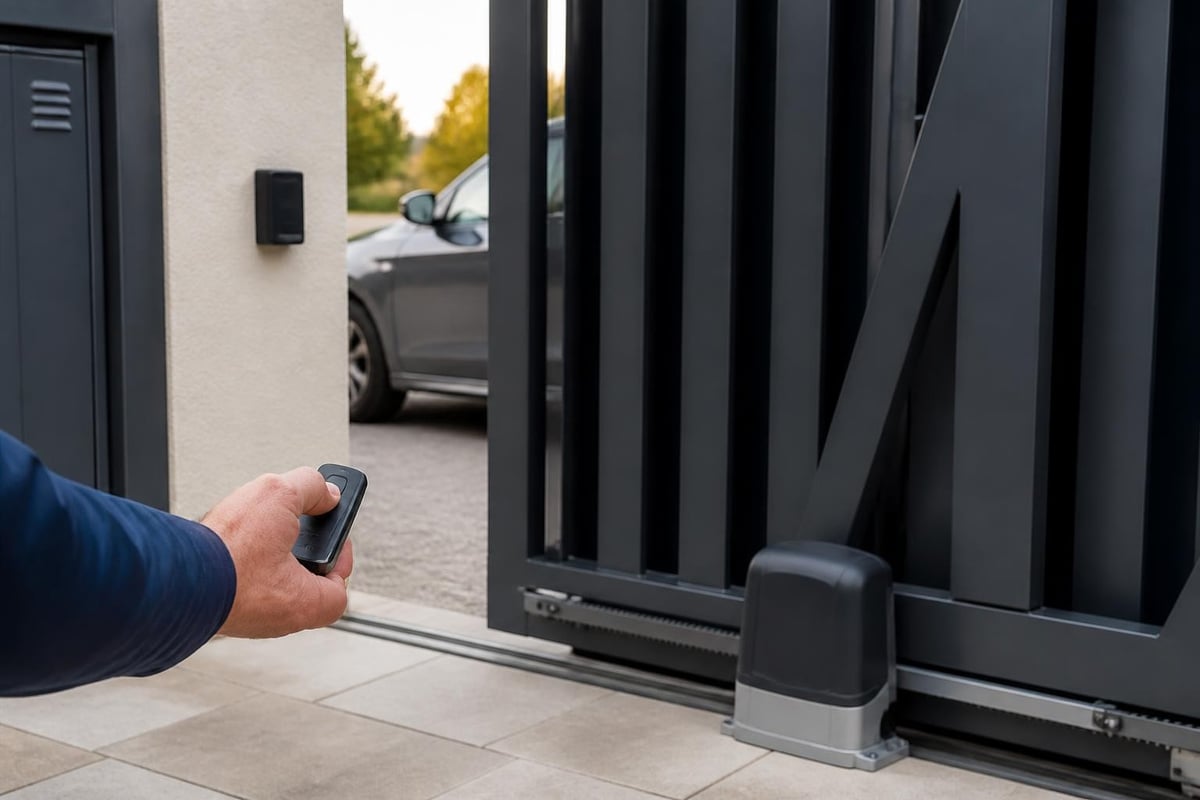
Regular maintenance extends electric motor gate opener lifespan and prevents unexpected failures. Establishing a preventive maintenance schedule reduces repair costs and improves reliability.
Routine Maintenance Schedule
Implementing consistent maintenance practices keeps systems operating smoothly:
Monthly Tasks:
- Visual inspection of gate alignment and mounting hardware
- Test safety sensors by placing objects in gate path
- Verify remote control operation from various distances
- Check gate movement for unusual sounds or hesitation
Quarterly Tasks:
- Lubricate hinges, rollers, and pivot points with appropriate grease
- Inspect and clean photoelectric sensor lenses
- Test battery backup system functionality
- Tighten all accessible mounting bolts and connections
Annual Professional Service:
- Comprehensive safety test per manufacturer specifications
- Motor and gearbox inspection for wear or damage
- Control board diagnostics and software updates
- Force setting verification and adjustment
The Gate Safe organization provides detailed maintenance checklists and guidance specifically developed for powered gate systems.
Common Issues and Solutions
Understanding typical electric motor gate opener problems helps property owners recognize when professional service is needed:
| Problem | Possible Cause | Solution |
|---|---|---|
| Gate won't respond to remote | Dead remote battery, receiver failure | Replace battery, check antenna connection |
| Gate opens but won't close | Safety sensor misalignment | Clean and realign photo eyes |
| Slow or jerky operation | Insufficient lubrication, worn components | Lubricate moving parts, inspect for damage |
| Motor hums but gate doesn't move | Mechanical obstruction, broken drive component | Clear obstruction, replace damaged parts |
| Gate reverses immediately | Force settings too sensitive | Adjust force limits per manual |
When an electric motor gate opener exhibits persistent problems or safety feature failures, professional diagnosis prevents further damage and ensures compliance with safety standards. Los Angeles property owners benefit from rapid response times when working with local specialists familiar with common regional issues like wind load stress and dust infiltration.
When to Call Professional Service
Certain situations require immediate professional attention:
- Safety sensor failures that prevent obstruction detection
- Electrical problems including burning smells or tripped breakers
- Structural damage to gate or operator mounting
- Control board malfunctions causing erratic behavior
- Emergency release problems preventing manual operation
For residential and commercial properties throughout Los Angeles, electric gate repair specialists provide same-day service to restore functionality quickly. Professional technicians arrive with fully stocked vehicles containing common replacement parts, enabling on-site repairs without delays for parts ordering.
Selecting the Right Electric Motor Gate Opener
Choosing an appropriate system requires evaluating multiple factors specific to your property and usage patterns.
Residential Applications
Homeowners should consider gate weight, daily cycle frequency, and desired features when selecting an electric motor gate opener. A typical residential driveway gate weighing 300-600 pounds operating 10-20 times daily requires a different motor specification than a lighter gate with occasional use.
Key residential selection criteria:
- Gate weight and length determine minimum motor capacity
- Desired access methods (remote only vs. keypad/smartphone)
- Aesthetic preferences (visible vs. concealed operator)
- Budget for initial installation and long-term maintenance
- Climate conditions affecting component selection
Solar-powered systems make sense for properties lacking convenient electrical service or those prioritizing environmental considerations. Battery backup becomes essential in areas experiencing frequent power outages.
Commercial and High-Traffic Installations
Commercial properties face more demanding requirements for electric motor gate opener systems. High cycle frequencies, multiple user management, and integration with broader security systems require industrial-grade components.
Commercial installations typically specify:
Heavy-duty motors rated for 100+ daily cycles with commercial-grade duty ratings that exceed residential specifications by 300-500%.
Redundant safety systems including multiple sensor types, emergency stop buttons, and fail-safe mechanisms that comply with workplace safety guidance.
Access control integration supporting hundreds of users with varied permission levels, time-based access restrictions, and detailed audit trails.
Predictive maintenance capabilities that monitor component wear and alert facility managers before failures occur.
Future-Proofing Your Investment
Technology advances rapidly in the access control industry. Selecting systems with upgradeability protects your investment:
- Choose operators with replaceable control boards supporting future features
- Specify systems with standard communication protocols for broad compatibility
- Verify manufacturer commitment to long-term parts availability
- Consider modular designs allowing component upgrades without complete replacement
Where applicable, ensuring accessibility compliance through ADA standards prevents future modification costs and expands usability for all property users.
Cost Factors and Return on Investment
Understanding the total cost of ownership for an electric motor gate opener helps justify the investment through tangible and intangible returns.
Initial Investment Components
Total installation costs vary significantly based on system complexity and site conditions:
| Cost Component | Residential Range | Commercial Range |
|---|---|---|
| Operator Hardware | $800 – $2,500 | $2,000 – $8,000 |
| Professional Installation | $500 – $1,500 | $1,500 – $5,000 |
| Electrical Work | $300 – $800 | $800 – $3,000 |
| Access Control Devices | $200 – $600 | $1,000 – $5,000 |
| Gate Modifications | $0 – $1,000 | $500 – $3,000 |
Properties requiring extensive electrical service upgrades, concrete work for foundations, or gate reinforcement will experience higher installation costs. However, investing in proper installation prevents premature failures and reduces lifetime maintenance expenses.
Long-Term Value Creation
Electric motor gate openers deliver returns beyond simple convenience:
Security enhancement reduces theft and unauthorized access, potentially lowering insurance premiums for commercial properties by 10-15% according to some insurers.
Property value increase for residential properties, with automated gates adding $3,000-$8,000 to home values in markets where they're desirable amenities.
Time savings particularly for commercial properties where manual gate operation consumes employee time that could be directed toward productive activities.
Liability reduction through properly functioning safety features that meet current standards, protecting owners from accident-related claims.
Annual maintenance costs typically range from $150-$400 for residential systems with professional service, while commercial installations may require $500-$1,500 annually depending on usage intensity and component complexity.
Understanding electric motor gate opener technology, proper selection criteria, and maintenance requirements ensures your automated access system delivers years of reliable service while maintaining safety and security. Whether you're installing a new system or maintaining an existing one, working with experienced professionals protects your investment and ensures compliance with evolving standards. When your gate system needs expert attention, Gates On Site provides same-day electric gate repair throughout Los Angeles with over 20 years of experience, fully stocked service vehicles, and no extra charges for emergency service.